Parts Washer Brush: Choosing the Right Brush
A parts washer brush scrubs engine parts clean in solvent: flow-through hose brushes feed solvent to the bristles, while handheld brushes handle bench work.

On this page
Pull a greasy bracket off an engine and the grime comes with it: baked-on oil, road grit and old gasket residue packed into every corner. A rag smears it around, and a wire brush is too harsh for machined faces. A parts washer brush is the tool made for this job: a brush built to scrub parts clean in solvent, either fed by a hose from the washer pump or dipped by hand, with bristles that lift deposits.
As an Amazon Associate I earn from qualifying purchases. GarageToolHQ earns a commission when you buy through links on our product pages, at no extra cost to you. Read our affiliate disclosure.
Below: how each style works, what to check before buying, and the brushes that fit a home garage parts washer.
| # | Product | Shop Score | Buy |
|---|---|---|---|
| 1 |  DECOHS 2 Pcs Parts Washer Brush with 31 Inch Hose | 9.5/10 | Buy on Amazon |
| 2 |  Parts Washer Brush with 31 in Hose | 9.5/10 | Buy on Amazon |
| 3 | 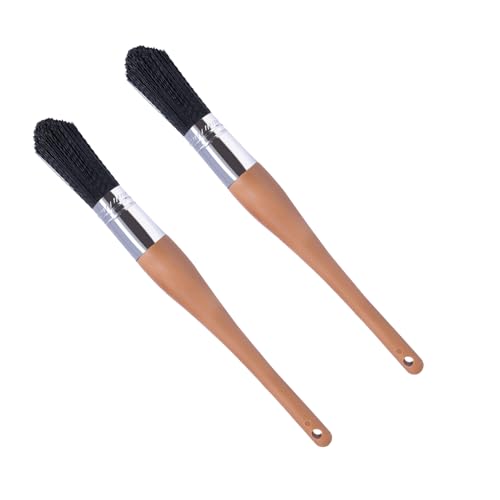 Wesquer Parts Cleaning Brush Home and Auto Use | 9.4/10 | Buy on Amazon |
DECOHS 2 Pcs Parts Washer Brush with 31 Inch Hose
A 2-pack of flow-through parts washer brushes with a 31 inch rubber hose and a 10.5 inch brush that delivers solvent straight to the bristles.
Pros
- 31 inch hose delivers solvent straight to the bristles
- 2 brushes in the pack
- Ergonomic threaded handle with a firm grip
- Hose resists corrosion, oil and abrasion
Cons
- Spec table lists 1.0 inch dimensions that do not match the stated brush and hose
- No warranty term is stated
- Bristles are described as soft, so heavy deposits need more passes
- Needs a parts washer to feed solvent through the hose
Parts Washer Brush with 31 in Hose
A single flow-through parts washer brush with a 31 inch rubber hose and a 10.5 inch brush for parts washing, on-engine cleaning and fluid evacuation.
Pros
- 31 inch hose delivers solvent straight to the bristles
- Ergonomic threaded handle with a firm grip
- Hose resists corrosion, oil and abrasion
- Brush rinses clean with water
Cons
- Only 1 brush in the pack
- Spec table lists 1.0 inch dimensions that do not match the stated brush and hose
- No warranty term is stated
- Bristles are described as soft, so heavy deposits need more passes
Wesquer Parts Cleaning Brush Home and Auto Use
A 2-pack of handheld parts cleaning brushes, 11.8 inches long, with stiff polypropylene bristles, a PVC handle and a stainless steel ferrule for engine parts, motors and machinery.
Pros
- Stiff polypropylene bristles for heavy-duty scrubbing
- PVC handle with a stainless steel ferrule
- 2 brushes in the pack
- Reaches tight spaces and detailed areas
Cons
- No hose, so no solvent flow to the bristles
- No warranty term is stated
- Bristle length is not stated
- Stiff bristles suit metal parts, not delicate surfaces
Parts washer brush: how the flow-through design works
A flow-through parts washer brush connects to the parts washer with a rubber hose, and the washer pump pushes solvent through the hose straight to the bristles, so solvent arrives at the part while the bristles scrub. The flow-through brushes in this guide list a 31 inch hose, which gives room to move the brush around a part without dragging the washer. A handheld parts cleaning brush has no hose: it is dipped in solvent and used at the bench, which suits small parts and spot cleaning.
Both styles use polypropylene bristles, which hold up in solvent. The difference is stiffness: the handheld Wesquer brush lists stiff bristles for heavy-duty scrubbing, while the flow-through brushes describe their bristles as soft, which suits cleaning deep crevices and loosening stubborn deposits.
| Style | How solvent reaches the bristles | Suits |
|---|---|---|
| Flow-through hose brush | Washer pump pushes solvent through the hose to the bristles | Parts washing in a washer, on-engine cleaning, fluid evacuation |
| Handheld solvent brush | Dipped in solvent at the bench | Small engine parts, motors, metal parts and machinery |
How to choose a parts washer brush
- Match the bristles to the grime. Stiff polypropylene bristles suit baked-on deposits on metal parts; softer bristles suit deep crevices and loosening stubborn deposits.
- Check the hose. A flow-through brush needs a hose that reaches from the washer to the part: the flow-through picks here list a 31 inch rubber hose that resists corrosion, oil and abrasion.
- Hold the handle. Look for an ergonomic handle with a threaded grip that resists slipping when wet with solvent.
- Count the pack. A 2-pack covers a spare or a second brush at the bench; a single brush suits a washer that already has one.
- Check the washer fit. The flow-through brushes state they suit most parts washers, so confirm the hose connection matches your washer before ordering.
Parts washer brush picks for the garage
The brush handles the scrubbing step once solvent has loosened the grime, so these picks cover both styles: flow-through hose brushes for work inside the washer and a handheld brush for bench cleaning.
Use rated jack stands on solid ground, wear eye protection with power and air tools, keep fuel-burning equipment out of a closed garage, and follow the manual for every tool. Read our Safety Disclaimer.
Solvent safety comes first with any parts washer brush: wear gloves and eye protection, work with ventilation, keep solvent away from open flame, and follow the solvent label and your washer manual. Our guide to safety clean parts washers covers gear and setup.
FAQ: garage tools
What is a parts washer brush?
A parts washer brush is a brush made to scrub engine and shop parts clean in solvent. Flow-through brushes connect to the washer with a hose that carries solvent to the bristles, while handheld brushes are dipped in solvent and used at the bench.
Can a parts washer brush be used without a parts washer?
A handheld brush can: dip it in solvent and scrub at the bench. A flow-through brush needs a parts washer to push solvent through the hose, so it only works as part of a washer setup.
What bristles suit parts washer solvent?
Polypropylene bristles: the brushes here all use them. Stiff polypropylene suits baked-on deposits on metal parts, while softer bristles suit deep crevices and loosening stubborn deposits.
How long should a parts washer brush hose be?
Long enough to reach from the washer outlet to the part without pulling: the flow-through brushes here list a 31 inch hose. Check the hose connection and the reach against your washer before ordering.
Do parts washer brushes come with a warranty?
The listings here state no warranty term, so check the listing before buying.
Can I rinse a parts washer brush with water?
The flow-through brushes state the brush washes with water directly, so rinse it after the solvent work and let it dry before storage.
Related: parts washer fluid types and how to choose, parts washer cabinet, portable parts washer and our engine and shop equipment hub.