How to Choose an OBD2 Scanner: What to Know
How to choose an OBD2 scanner for your garage: comparing basic code readers, multi-system diagnostic tools, and bidirectional scanners by features, protocols, and updates.

On this page
Top picks at a glance
As an Amazon Associate we earn from qualifying purchases.
- 1
 KINGBOLEN Ediag Elite OBD2 Scanner Bluetooth9.7/10View on Amazon
- 2
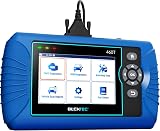 BLCKTEC 460T OBD2 Scanner Car Code Reader Engine ABS SRS9.6/10View on Amazon
- 3
 TOPDON AD600S OBD2 Scanner9.6/10View on Amazon
- 4
 Bluetooth OBD2 Scanner for iOS & AndroidView on Amazon
- 5
 OBDLink MX+ OBD2 Bluetooth Scanner for iPhoneView on Amazon
- 6
 Vgate iCar Pro Bluetooth 4.0View on Amazon
- 7
 Innova SD35 OBD2 ScannerView on Amazon
- 8
 Innova 1000 Bluetooth OBD2 Scanner for iPhone & AndroidView on Amazon
- 9
 Portable Bluetooth OBD2 Car Diagnostic ScannerView on Amazon
How to choose an obd2 scanner comes down to deciding whether you need basic check engine code clearing, multi-system diagnosis, or full bidirectional control. Choose a compact handheld code reader for quick emissions checks, a multi-system scanner if you troubleshoot warning lights on brakes and airbags, or a bidirectional scan tool if you need to command vehicle components directly. Match the hardware connection, protocol support, and vehicle software coverage to the cars in your garage before buying.
More options to compare
 Bluetooth OBD2 Scanner for iOS & AndroidCheck price on Amazon
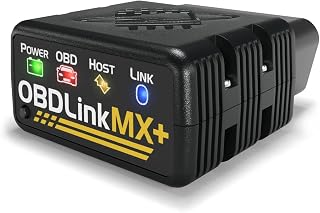 OBDLink MX+ OBD2 Bluetooth Scanner for iPhoneCheck price on Amazon
 Vgate iCar Pro Bluetooth 4.0Check price on Amazon
 Innova SD35 OBD2 ScannerCheck price on Amazon
 Innova 1000 Bluetooth OBD2 Scanner for iPhone & AndroidCheck price on Amazon
 Portable Bluetooth OBD2 Car Diagnostic ScannerCheck price on Amazon
GarageToolHQ earns a commission when you buy through links on our product pages, at no extra cost to you. Read our affiliate disclosure.
Below: how the main scanner categories differ, the key hardware and software specs to check, a step-by-step scanner selection checklist, and which scan tool fits your home garage.
How to choose an obd2 scanner: match the tool to your repair goals
Modern automobiles rely on multiple electronic control units to monitor emissions, chassis stability, safety restraint systems, and powertrain performance. Choosing the right diagnostic tool means matching the scanner’s communication capabilities with the depth of repair work you perform at home. Vehicle diagnostic tools fall into distinct categories based on module access:
- Powertrain code readers. Basic code readers communicate strictly with the engine control module. They read and clear generic diagnostic trouble codes, display freeze frame data, and verify emissions readiness status. They identify why a check engine light appeared on the dashboard but cannot view other onboard computers.
- 4-system diagnostic scanners. Mid-tier diagnostic tools expand beyond the engine to cover 4 systems: engine, transmission, antilock braking systems (ABS), and supplemental restraint systems (SRS airbags). For DIY mechanics replacing sensors or servicing brakes, access to these 4 systems covers the most common dashboard warning lamps.
- All-system diagnostic tools. Comprehensive scan tools communicate with all available electronic modules across the vehicle network, including body control modules, climate control, instrument clusters, door electronics, and tire pressure monitoring.
- Bidirectional scan tools. While standard scanners only read information sent by the vehicle, a bidirectional scanner can transmit operational commands to vehicle control modules. This allows you to command fuel injectors, actuate cooling fans, cycle ABS solenoids during brake bleeding, and operate power windows without disassembling components.
Comparing OBD2 scanner types: code readers to bidirectional tools
| Scanner Category | System Coverage | Key Capabilities | Best Suited For |
|---|---|---|---|
| Powertrain Code Reader | Engine control module only | Read and erase trouble codes, freeze frame, emissions readiness | Basic check engine troubleshooting, routine maintenance checks |
| 4-System Scanner | Engine, transmission, ABS, SRS airbag modules | Multi-module fault diagnosis, live sensor graphs, basic maintenance resets | Brake repairs, wheel speed sensor swaps, family vehicle maintenance |
| All-System Scanner | All available onboard electronic modules | Comprehensive health scans, body control diagnosis, sensor monitoring | In-depth electrical troubleshooting, modern multi-computer vehicles |
| Bidirectional Scan Tool | All vehicle systems with active module control | Component actuation, solenoid cycling, advanced calibration routines | Advanced DIY diagnosis, component actuation, professional garage work |
The vehicle modules you intend to diagnose determine which scanner group you need. A basic code reader handles routine powertrain warning lights, but attempting complex chassis work or brake bleeding requires a tool with dedicated module software and active actuation commands.
How to choose an obd2 scanner: the step-by-step checklist
- Determine your diagnostic scope. If your primary goal is checking why the check engine light turned on before an annual inspection, a standard code reader is sufficient. If you need to read trouble codes from braking, airbag, or transmission electronics, choose a scanner covering 4 systems. If your repair plans include active component actuation such as cycling ABS solenoids during brake bleeding, you will need a bidirectional scan tool.
- Choose between a standalone handheld unit and a wireless adapter. Handheld scanners plug directly into the vehicle 16-pin DLC port with a flexible cable and draw vehicle power directly. Wireless Bluetooth dongles plug into the port and transmit data to an app on your smartphone or tablet, providing compact storage but requiring mobile device battery charge.
- Verify vehicle age and communication protocols. Standard OBD2 protocols apply to gasoline passenger vehicles sold in the United States since 1996. Newer vehicles, especially models manufactured from 2018 onward, may feature secure gateway modules such as FCA AutoAuth or require high-speed CAN-FD communication. Verify on the maker’s listing that the tool supports your vehicle’s specific communication protocols.
- Check maintenance reset functions. Routine maintenance often requires programming modules or resetting service monitors. Check the scanner listing for essential service resets, including oil service light reset, electronic parking brake retraction, throttle adaptation, and battery management registration.
- Examine update policies and ongoing subscription fees. Some scan tools provide lifetime software updates with no recurring fees, while others offer core diagnostics free but require paid subscriptions or per-function purchases for advanced bidirectional actuation and brand-specific software. Always check the maker’s listing terms before buying.
- Inspect hardware design and display quality. Handheld scan tools offer various display formats, including compact 2.8 inches screens on code readers and larger 5 inches or 6.2 inches touchscreens on diagnostic consoles. For working in low garage lighting, a backlit color screen with clear sensor graphing makes viewing live engine parameters straightforward.
Erasing diagnostic trouble codes turns off dashboard warning lamps, but clearing codes does not repair faulty hardware. If you clear a code without fixing the damaged sensor, vacuum leak, or broken wiring, the onboard computer will detect the problem during normal driving cycles and turn the warning lamp back on.
Use rated jack stands on solid ground, wear eye protection with power and air tools, keep fuel-burning equipment out of a closed garage, and follow the manual for every tool. Read our Safety Disclaimer.
Handheld scan tools vs wireless Bluetooth adapters
Choosing between a corded handheld scanner and a wireless Bluetooth adapter comes down to how and where you work on your vehicle:
- Power and readiness: Many compact handheld scanners draw power directly from the vehicle 16-pin data link connector, operating without internal batteries to charge. Advanced handheld diagnostic consoles and tablet units often include internal rechargeable batteries for standalone operation. Wireless adapters draw power from the 16-pin port, but your smartphone or tablet requires sufficient battery charge to complete the diagnostic session.
- Physical durability in the shop: Handheld diagnostic tools feature rugged housings and physical buttons that operate easily with greasy mechanic gloves. For example, the MOTOPOWER MP69033 listing specifies a 2.5 feet cable and a 2.8 inches screen with physical buttons, while the OBDMATE OM901 listing specifies a 3.5 inches screen housed in a protective carrying case.
- Software ecosystem and storage: Wireless Bluetooth adapters are compact dongles that store easily in a glove compartment, using your phone’s processor and high-resolution screen to display data. For example, the Jokovar QC01001 listing states a compact weight of 2.88 ounces while providing 4-system access via smartphone. However, smartphone adapters rely on mobile operating system updates and dedicated app availability.
- Advanced computing hardware: Premium standalone scan tools integrate dedicated processors and touchscreens into an all-in-one console. For example, the THINKCAR ThinkScan Plus S7 listing specifies a 5 inches touchscreen for monitoring 7 systems, and the THINKCAR THINKSCAN 662 listing specifies a 6.2 inches display for bidirectional control.
To evaluate specific models across these categories, see our guide to the best OBD2 scanner for DIY, or explore compact smartphone options in our review of cheap Bluetooth OBD2 scanners. If your repairs require active component actuation, read our detailed explanation of what is a bidirectional scan tool.
Battery voltage stability during diagnostic scans
Vehicle electronic control units require stable electrical power while communicating with a scan tool. During static diagnostics, module calibration, or service resets performed with the ignition switch on and the engine off, the vehicle electrical system draws current solely from the battery. If your vehicle 12V battery drops in voltage during these key-on procedures, sensitive microprocessors inside onboard modules may shut down or drop communication. In severe cases, an unexpected voltage drop during module calibration can disrupt programming.
Before initiating extended diagnostics or clearing codes, check that the vehicle 12V battery maintains sufficient charge. For example, the FOXWELL NT301 Plus listing specifies integrated 12V battery monitoring alongside engine diagnostics to verify battery health before scanning. If you perform extended key-on diagnostic procedures with the engine off, connecting a dedicated battery charger maintainer ensures steady voltage without draining the vehicle battery.
Frequently Asked Questions
Will any OBD2 scanner work on all cars?
No. While gasoline cars and light trucks sold in the United States since 1996 feature standard 16-pin OBD2 connectors, no scanner works universally on every vehicle. Basic scanners only read generic powertrain codes and may not support newer protocols like CAN-FD or vehicles equipped with secure gateways from 2018 onward. Furthermore, manufacturer-specific diagnostics for systems like ABS, airbags, and transmissions require software explicitly programmed for that vehicle make and model. Always verify that the scanner listing confirms compatibility with your vehicle’s make, model, and year.
What is the difference between a code reader and a scan tool?
A basic code reader retrieves and clears generic diagnostic trouble codes and checks emissions readiness monitors. A full diagnostic scan tool displays live sensor streams, graphs data parameters, performs maintenance service resets, and may offer bidirectional control to actuate components directly.
Do I need a paid subscription to use an OBD2 scanner?
Many standalone handheld OBD2 scanners include lifetime software updates with no recurring fees. Some wireless Bluetooth adapters include basic code reading for free but charge a monthly or annual subscription fee for advanced features like manufacturer-level diagnostics, component actuation, and service resets. Always check the maker’s listing terms before buying.
Can an OBD2 scanner diagnose ABS and airbag warning lights?
Only if the scanner explicitly lists ABS and SRS airbag system support. Basic code readers only communicate with the engine control module to diagnose check engine lights. If you need to troubleshoot antilock brakes or supplemental restraint systems, choose a multi-system scanner or bidirectional scan tool that covers 4 systems or more.
Does clearing a trouble code fix the underlying problem?
No. Clearing trouble codes simply erases stored fault records from the vehicle computer memory and turns off the warning lamp. If the faulty sensor, vacuum leak, or electrical defect is not repaired, the vehicle monitor will detect the condition during driving cycles and illuminate the warning light again.
Can an OBD2 scanner drain a car battery?
A scanner plugged into the 16-pin port draws a small amount of vehicle power. While running quick diagnostics will not drain a healthy 12V battery, leaving a scanner connected with the ignition key turned on for long periods without the engine running can discharge the battery. Always unplug the device when diagnostics are complete.
Related: our guide to the best OBD2 scanner for DIY, our breakdown of what is a bidirectional scan tool, compact picks for cheap Bluetooth OBD2 scanners, and our diagnostics and electrical hub.