Car Touch Up Paint Spray vs Brush: Which One Should You Buy?
Spray or brush touch up paint: which applicator suits the damage, what the listings state about coats and dry times, and how to seal the repair.

On this page
Top picks at a glance
As an Amazon Associate I earn from qualifying purchases.
- 1
 BENTOHKLE 819 HVLP Air Spray Gun Kit with 1.4/1.7/2.0mm9.7/10View on Amazon
- 2
 TCP Global 23 Piece Airbrush Cleaning Kit with Case9.6/10View on Amazon
- 3
 SYOAUTO White Touch Up Paint for Cars White Car Touch up9.6/10View on Amazon
- 4
 Rust-Oleum 2X Automotive Enamel 5-in-1 Spray PaintView on Amazon
- 5
 Deep Blue PPSB Car Spray Paint for Tesla Exact MatchView on Amazon
- 6
 Rust-Oleum Automotive Universal Touch-Up Spray PaintView on Amazon
- 7
 ICSTM 400Pcs 4 Sizes Touch Up Paint Brushes for Auto PaintView on Amazon
- 8
 Touch Up Paint Brushes for Automotive Paint Chip RepairView on Amazon
A chip on the door edge or a scratch down the fender leaves the same choice: car touch up paint spray vs brush. Spray wins when the damage covers a wide panel or a bumper corner, and a brush pen wins when the damage is a chip or a thin scratch. Spray lays a thin, even coat over a broad area, while a brush puts a small amount of paint exactly where the chip sits. The right pick depends on the size of the damage, the shape of the panel, and how much masking you are willing to do.
Other tools worth a look
 Rust-Oleum 2X Automotive Enamel 5-in-1 Spray PaintCheck price on Amazon
 Deep Blue PPSB Car Spray Paint for Tesla Exact MatchCheck price on Amazon
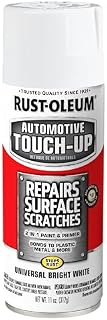 Rust-Oleum Automotive Universal Touch-Up Spray PaintCheck price on Amazon
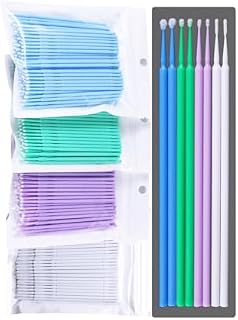 ICSTM 400Pcs 4 Sizes Touch Up Paint Brushes for Auto PaintCheck price on Amazon
 Touch Up Paint Brushes for Automotive Paint Chip RepairCheck price on Amazon
GarageToolHQ earns a commission when you buy through links on our product pages, at no extra cost to you. Read our affiliate disclosure.
Below: how spray and brush paint differ, when each one earns its place, and the questions drivers ask before they start.
Car touch up paint spray vs brush: what each one does
Spray paint comes in an aerosol can with a nozzle that spreads paint over a broad area in thin coats. A brush pen holds paint in a small bottle with a precision brush tip, so paint goes exactly where the chip sits. A clear coat spray adds a gloss layer over a repair after the color coats dry. The listings in this guide cover all three groups: color sprays, a brush pen, and a clear coat spray.
| Method | Suits | Coats and dry time | Watch out for |
|---|---|---|---|
| Spray, Dupli-Color Bright White | Wide panels and bumper corners | Three to four coats, 10 minutes between coats | Needs masking and a clean, sanded surface |
| Spray, Rust-Oleum Ultra Matte White | Wide panels, metal, wood and plastic | Dries to the touch in 20 minutes, covers up to 12 square feet per can | Matte finish, not a gloss color coat |
| Brush pen, cocomfix Black | Chips, nicks and thin scratches | Maker states a 10 minute job | Black only |
| Clear coat spray, U-POL | Sealing a color repair | Ready to touch in 30 minutes | Title states 7.04 oz, spec table states 7.4 Ounce |
Spray paint: when it wins
Spray earns its place when the damage is wider than a chip: a scraped bumper corner, a sanded patch on a fender, or a panel that needs an even coat. The Dupli-Color Perfect Match Premium Automotive Paint in Bright White is an 8 oz acrylic lacquer aerosol with an EZ Touch 360° nozzle for spraying from several angles. The listing states three to four coats on a properly cleaned and prepared surface, with 10 minutes between coats. It lists metal, fiberglass, aluminum, and plastic as suitable surfaces for interior and exterior use. The can weighs 0.71 pounds and measures 6.0 inches by 2.0 inches by 2.0 inches.
The Rust-Oleum Automotive Enamel spray in Ultra Matte White is a 12 Ounce can with a five-pattern dial: high output, standard, low output, vertical fan, and horizontal fan. The maker states it dries to the touch in 20 minutes and covers up to 12 square feet per can, with any-angle spray. The listing states metal, wood, plastic and more as suitable surfaces for indoor and outdoor use. The can measures 7.88 inches by 2.63 inches by 2.63 inches. A matte white enamel suits a flat-finish repair, not a gloss factory panel, so check the finish the listing states first.
Brush paint: when it wins
A brush pen wins when the damage is small: a rock chip, a nick, or a thin scratch where a spray can would put paint on sound paint around it. The cocomfix Black Touch Up Paint pen is a 1 Fl Oz bottle with a precision brush tip in the cap. The maker states the job takes 10 minutes, and the paint resists water and UV while it helps protect bare metal from rust. The pen weighs 0.0625 pounds and measures 6.75 inches by 2.09 inches by 0.7 inches. Black is the only color the listing states, and the maker states it blends with most black finishes.
Brush paint also keeps the work small: no masking and no overspray on trim. The trade is time per area. A pen covers a chip, not a panel, so a bumper corner with bare metal showing across a wide patch belongs to spray. For a chip, the cap brush controls how much paint goes on.
Clear coat: the step that seals the repair
The U-POL Expert Color Protective Clear Coat is a clear aerosol spray that the maker states seals a paint repair and leaves a high-gloss finish with UV protection. It uses a fan spray nozzle, and the maker states it is ready to touch in 30 minutes. The maker describes a three-step routine, Prime, Paint and Protect, with this clear coat as the last step. The can measures 2.7 inches by 2.7 inches by 5.7 inches.
One detail in this listing needs a note. The title states 7.04 oz, while the spec table states 7.4 Ounce, and the listing gives no way to settle which size is right. Check the size on the can when it arrives.
How to use touch up paint on a car scratch
The Dupli-Color listing states the preparation order: clean, sand lightly, then paint in coats. The other listings state no steps, so this guide follows that order and the coats and dry times each listing states.
- Clean the scratch. Clean the area and let it dry. The Dupli-Color listing states a properly cleaned and prepared surface before painting.
- Sand lightly. The Dupli-Color listing states light sanding of the application area before painting, to support proper coating application.
- Paint in thin coats. With a spray can, the Dupli-Color listing states three to four coats, with 10 minutes between coats. With a brush pen, use the precision tip to lay paint only on the chip.
- Let it dry. The Rust-Oleum spray dries to the touch in 20 minutes, and the U-POL clear coat is ready to touch in 30 minutes. The cocomfix maker states the pen job takes 10 minutes in total, which is a job time, not a dry time.
- Seal it with clear coat where the listing calls for one. The U-POL clear coat goes over its own color range as the last step of the three-step routine, Prime, Paint and Protect.
Keep electric pressure washers on a GFCI outlet, never point the wand at people or pets, wear eye protection with polishers and chemicals, and read the label before mixing any cleaning products. Read our Safety Disclaimer.
Which one should you buy?
Match the applicator to the damage. A spray can suits a wide scrape or a sanded patch, where an even coat over a broad area matters. A brush pen suits a chip or a thin scratch, where paint belongs only on the damage. Either way, a clean, lightly sanded surface decides how well the paint holds, and the U-POL listing presents its clear coat as the seal over its own color range. When the damage is wide and the color is white, the sprays in this guide are Bright White from Dupli-Color and Ultra Matte White from Rust-Oleum. When the car is black and the damage is a chip, the cocomfix pen is the direct pick.
FAQ: garage tools
How to use touch up paint on a car scratch?
Clean the surface and sand the area lightly, then paint in thin coats. The Dupli-Color spray listing states three to four coats, with 10 minutes between coats, on a properly cleaned and prepared surface. A brush pen lays paint on the chip with its precision tip. The U-POL listing adds a clear coat as the last step over its own color range; that clear coat is ready to touch in 30 minutes.
What is the best way to use touch up paint on a car?
Start with preparation. Clean the surface, sand it lightly, then lay thin coats and let each coat dry. Spray suits a wide area; a brush pen suits a chip. Add a clear coat where the listing calls for one, and follow the dry times the listing states: 10 minutes between spray coats, 20 minutes to the touch for the Rust-Oleum spray, and 30 minutes to the touch for the U-POL clear coat.
How do you use a touch up paint pen on a car?
Unscrew the cap and use the precision brush tip to lay paint on the chip, controlling how much paint goes on. The cocomfix pen is a 1 Fl Oz black paint, and the maker states the job takes 10 minutes. The maker states the paint resists water and UV, and it suits a black finish.
How to clean a car for touch up paint?
Clean the surface and sand the application area lightly before painting. That is the preparation the Dupli-Color listing states, and it supports proper coating application. Let the surface dry before the first coat, and keep dust off it while the paint dries.
How to touch up paint on a vehicle?
Pick the applicator by the size of the damage: spray for a wide area, a brush pen for a chip or a thin scratch. Clean and lightly sand the area, lay thin coats, and add a clear coat where the listing calls for one. The listings in this guide state their coats and dry times: three to four spray coats with 10 minutes between them, and a clear coat ready to touch in 30 minutes.
Related: how to touch up automotive paint, the best car touch up paint, the best HVLP spray gun for touch up paint and the car detailing hub.