Cordless Heat Gun vs Butane Torch: Which One Should You Buy?
Hot air up to 1022°F with no flame, or a pinpoint open flame: how cordless heat guns and butane torches compare on heat, control, runtime and safety.

On this page
Top picks at a glance
As an Amazon Associate we earn from qualifying purchases.
- 1
 Cordless Heat Gun Compatible with Dewalt 20v Battery9.7/10View on Amazon
- 2
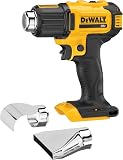 DEWALT 20V MAX Heat Gun9.6/10View on Amazon
- 3
 SEEKONE 20V Cordless Heat Gun 1022℉ and 572℉ for Shrink Tubing9.5/10View on Amazon
- 4
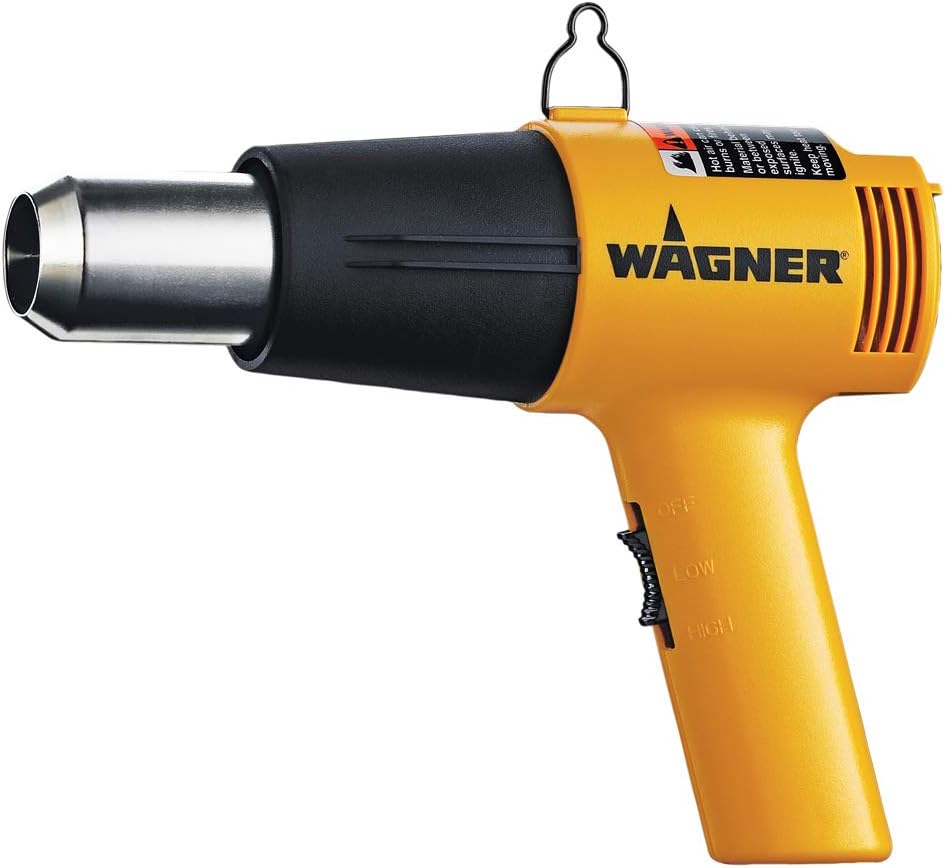 Wagner Spraytech HT1000 Dual-Temperature Heat GunView on Amazon
- 5
 Milwaukee M18 BHG-0 Cordless Heat Gun 18V Bare UnitView on Amazon
- 6
 Fanttik H3 Master Cordless Mini Heat Gun for 3D PrintingView on Amazon
- 7
 110V Hot Air Gun Welding Torch 1600W Heat Gun Plastic WelderView on Amazon
- 8
 YIHUA 8858 IV Multi-Purpose Heat Gun for CraftingView on Amazon
- 9
 BLACK+DECKER Heat Gun for CraftsView on Amazon
You need heat in the garage: shrink tubing on a wiring repair, a rusted bolt that will not budge, paint to strip. The cordless heat gun vs butane torch question comes down to how the heat arrives. A cordless heat gun blows hot air, up to 1022°F on the listings here, with no open flame; a butane torch gives you a pinpoint open flame that gets hotter in one spot but can scorch what surrounds it. The heat gun is the controlled, flameless option for heat shrink and paint; the torch is the compact flame for soldering, brazing and freeing seized fasteners.
More options to compare
 Wagner Spraytech HT1000 Dual-Temperature Heat GunCheck price on Amazon
 Milwaukee M18 BHG-0 Cordless Heat Gun 18V Bare UnitCheck price on Amazon
 Fanttik H3 Master Cordless Mini Heat Gun for 3D PrintingCheck price on Amazon
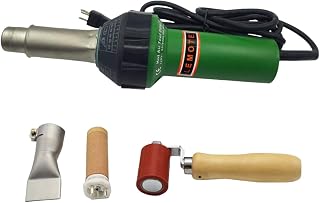 110V Hot Air Gun Welding Torch 1600W Heat Gun Plastic WelderCheck price on Amazon
 YIHUA 8858 IV Multi-Purpose Heat Gun for CraftingCheck price on Amazon
 BLACK+DECKER Heat Gun for CraftsCheck price on Amazon
GarageToolHQ earns a commission when you buy through links on our product pages, at no extra cost to you. Read our affiliate disclosure.
Below: how each tool heats, where each one wins, and which one fits your garage jobs.
Cordless heat gun vs butane torch: the short answer
Buy the cordless heat gun for flameless, spread-out heat: shrinking tubing, softening paint and adhesive, bending plastic pipe. The listings show how far battery heat guns have come: the DEWALT 20V MAX reaches 990°F with up to 42 minutes of runtime per charge and 6.7 CFM of airflow, the LIVOWALNY 350W spans 122°F to 1022°F and heats in 2 to 3 seconds, and the Milwaukee 2688-20 reaches working temperature in 7 seconds. Buy the butane torch when you need a true flame: soldering, brazing and pinpoint heat on a seized bolt. No numbers for torches appear in the listings, so this guide compares them on mechanism, not on rated output.
What a cordless heat gun does
A heat gun is a hot-air blower. A heating element and fan push a stream of heated air at the work, with no flame at the nozzle. The DEWALT listing gives the full picture: up to 990°F, up to 42 minutes per charge, 6.7 CFM airflow, a lock-on button and an LED. The Synxiter listing shows the two-mode pattern many battery guns follow: 300°C (572°F) and 550°C (1022°F) modes, heating in 2 to 3 seconds, though no battery is included. The Edtran for Makita 18V LXT batteries offers room-temperature, 350°C (662°F) and 500°C (932°F) flows at up to 200 L/min with 3 nozzles, battery not included. Because the heat spreads across the airstream, a heat gun warms evenly: ideal for heat shrink tubing, which needs even heat to contract without scorching, and for softening paint or adhesive over an area. The Wagner HT1000, a corded gun at 750°F low and 1000°F high, lists the classic jobs: soften paint, shrink wire insulation, caulk and adhesive removal, shrink wrap, bend plastic pipes, loosen rusted nuts or bolts.
What a butane torch does
A butane torch burns fuel at a nozzle and puts a small, hot flame exactly where you aim it. The listings here include no torches, so there are no rated temperatures to quote; the difference is the mechanism. A flame concentrates heat in one spot and gets metal hot fast, which is what soldering and brazing need: filler metal flows where the flame touches. The tradeoff is everything around the flame: paint, wire insulation, rubber and plastic near the work can scorch or melt, and an open flame in a garage full of fuel, solvents and sawdust demands care. A torch runs as long as its fuel lasts and refills from a canister, with no battery to charge and no runtime clock.
Side by side: heat, control, runtime and safety
| Cordless heat gun | Butane torch | |
|---|---|---|
| Heat delivery | Hot air, no flame (DEWALT up to 990°F; LIVOWALNY up to 1022°F) | Open flame, pinpoint |
| Best jobs | Heat shrink, paint softening, adhesive removal, bending plastic pipe | Soldering, brazing, freeing seized fasteners |
| Heat-up | Seconds (Milwaukee 7 seconds; LIVOWALNY 2 to 3 seconds) | Instant on ignition |
| Runtime | Battery limited (DEWALT up to 42 minutes per charge) | Fuel limited; refillable |
| Scorch risk | Low: even, flameless heat | Higher: open flame near the work |
| Extras | Nozzles, LEDs, lock-on buttons, LCD displays | Compact; no battery platform needed |
Which one for your garage jobs
Match the tool to the job, not the hype. Heat shrink tubing belongs to the heat gun: even, flameless air shrinks the sleeve without melting it, and our best cordless heat gun for heat shrink guide picks guns for that job. Stripping paint or softening adhesive over an area is also heat-gun work, corded or cordless; see best corded heat gun if you want unlimited runtime at the bench. Soldering copper pipe or brazing belongs to the torch: filler needs flame heat in one spot. For a rusted bolt, either can work: the Wagner listing names loosening rusted nuts or bolts as a heat-gun job, and a torch’s pinpoint flame does the same faster with more scorch risk. If you already own a battery platform, a bare-tool gun like the Milwaukee M18 or the battery-compatible LIVOWALNY, Synxiter and Edtran options keeps the cost to the tool alone; if not, the torch needs no platform at all. For the full roundup, see best cordless heat gun and best heavy duty heat gun.
Use rated jack stands on solid ground, wear eye protection with power and air tools, keep fuel-burning equipment out of a closed garage, and follow the manual for every tool. Read our Safety Disclaimer.
Frequently Asked Questions
Can a heat gun replace a torch for soldering?
Not well. Soldering and brazing need concentrated flame heat to flow filler metal; a heat gun’s spread-out hot air is the wrong tool. Keep the torch for flame jobs and the heat gun for shrink, paint and adhesive.
How hot do cordless heat guns get?
Per the listings: up to 1022°F on the LIVOWALNY and the Synxiter’s high mode, 990°F on the DEWALT 20V MAX, and 932°F on the Edtran’s high setting. That covers heat shrink, paint and adhesive work.
How long does a cordless heat gun run per charge?
The DEWALT listing states up to 42 minutes of runtime per charge. Runtime varies with heat setting and battery size; the Milwaukee 2688-20 runs on an XC 5.0 battery.
Is a butane torch safe to use in a garage?
It demands respect: open flame near fuel, solvents, sawdust and cardboard is a fire risk. Work clear of flammables, ventilate, and keep a fire extinguisher within reach. The heat gun’s flameless air is the safer choice around combustible clutter.
Which is better for heat shrink tubing?
The heat gun, by a wide margin. Even hot air shrinks the tubing uniformly without scorching it; a torch flame easily melts or chars the sleeve. See our heat shrink picks.