Pliers Versus Locking Tools: Which One Should You Buy?
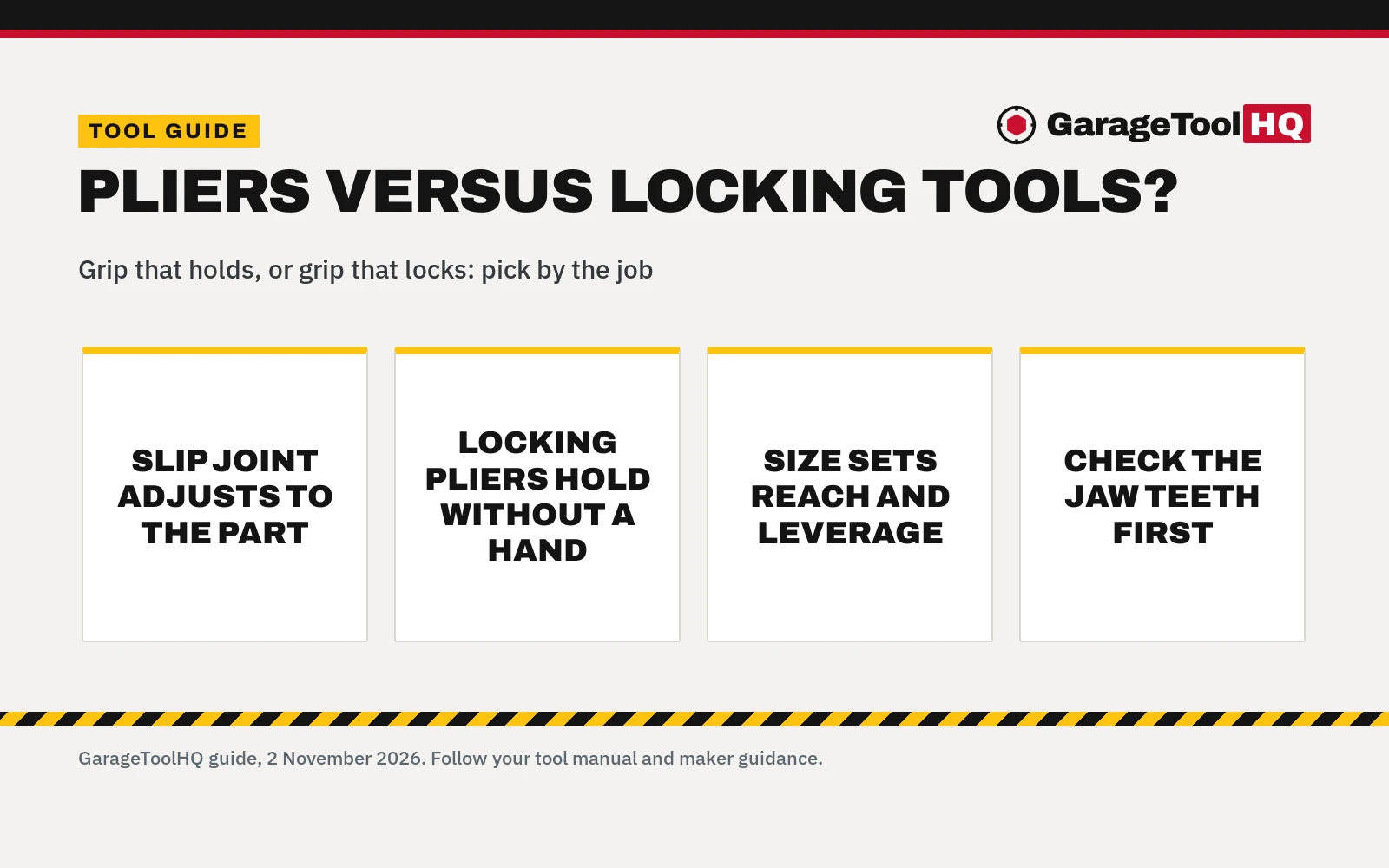
Pliers versus locking tools comes down to grip: regular pliers grip while the hand squeezes, and locking pliers clamp on and hold until released.

On this page
Top picks at a glance
As an Amazon Associate I earn from qualifying purchases.
- 1
 FIRSTINFO Wheel Weight Pliers Hammer Tool9.7/10View on Amazon
- 2
 IRWIN Tools Vise-Grip 6-Inch Locking C-Clamp9.6/10View on Amazon
- 3
 Klein Tools 38612 Long Nose Locking Pliers with Quick Release9.6/10View on Amazon
- 4
 WORKPRO 7-piece Pliers SetView on Amazon
- 5
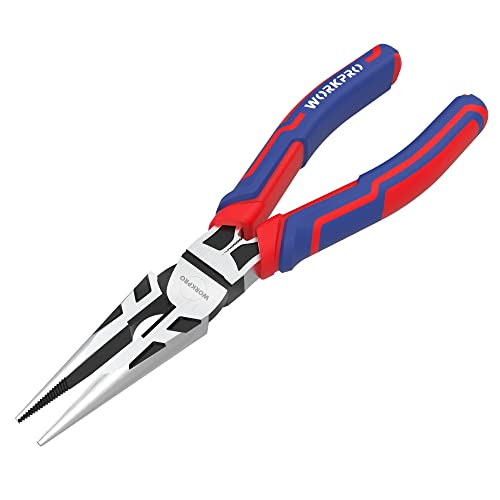 WORKPRO Premium 8” Needle Nose PliersView on Amazon
- 6
 CRAFTSMAN PliersView on Amazon
- 7
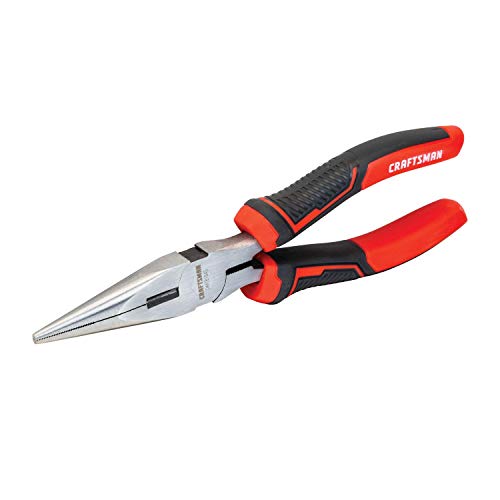 CRAFTSMAN CMHT81645 8-in. Long Nose PliersView on Amazon
- 8
 WORKPRO 8” Slip Joint Pliers ToolView on Amazon
- 9
 ZUZUAN Long Needle Nose Pliers-6''&8''View on Amazon
A fastener that will not turn, a clamp that needs holding while the other hand works, and a part that keeps slipping from a smooth jaw: that kind of garage job is where the choice in pliers versus locking tools starts to matter. Regular pliers grip only while the hand squeezes, while locking pliers clamp onto the part and stay put until the release is worked. The right pick depends on whether the job needs a quick, adjustable grip or a grip that holds on its own.
Other tools worth a look
 WORKPRO 7-piece Pliers SetCheck price on Amazon
 WORKPRO Premium 8” Needle Nose PliersCheck price on Amazon
 CRAFTSMAN PliersCheck price on Amazon
 CRAFTSMAN CMHT81645 8-in. Long Nose PliersCheck price on Amazon
 WORKPRO 8” Slip Joint Pliers ToolCheck price on Amazon
 ZUZUAN Long Needle Nose Pliers-6''&8''Check price on Amazon
GarageToolHQ earns a commission when you buy through links on our product pages, at no extra cost to you. Read our affiliate disclosure.
Below: how each grip works, when each type earns its place in the drawer, and the two slip joint pliers featured in this guide, ranked by their stated features.
Pliers versus locking tools: how each grip works
Regular pliers, including slip joint pliers, work as an extension of the hand. Squeeze the handles and the jaws close; open the handles and the jaws open again. That makes them quick to reposition, easy to adjust to a new size, and well suited to jobs where the part changes shape or position from one moment to the next, such as turning a nut, pulling a pin, or holding a small part steady for a moment.
Locking pliers work differently. The jaws are set to a size, clamped onto the part, and locked in place, so the grip stays even when the hand lets go. That locked grip is useful when a part must be held for a longer stretch, when both hands are needed elsewhere, or when a fastener is rounded and needs steady pressure rather than repeated squeezing. The trade is speed: setting and releasing the lock takes more steps than opening and closing a regular pair.
| Type | How it grips | Where it helps |
|---|---|---|
| Slip joint pliers | Jaws close while the hand squeezes, with more than a single jaw opening | Quick gripping, turning, and holding jobs that change as the work goes on |
| Locking pliers | Jaws clamp and lock onto the part until released | Holding a part in place, working on a stubborn fastener, and freeing a hand for another task |
Neither type replaces the other outright. A drawer with only locking pliers makes quick jobs slower, and a drawer with only regular pliers leaves no plier that holds a part without keeping a hand on it. Many home garage jobs benefit from having both, with the choice made job by job.
When to reach for each type
- Quick turns and adjustments: regular pliers win when the part must be gripped, turned, released, and gripped again in short order.
- Holding a part steady: locking pliers win when the part must stay put while the other hand fits, tightens, or marks something else.
- Awkward shapes: a slip joint jaw that opens to more than a single size adapts to round, flat, and irregular parts by shifting the pivot between positions.
- Stubborn fasteners: a locked jaw keeps its grip on the part without needing hand pressure to hold it shut through the whole turn.
- Small spaces: a shorter, portable pair fits tight spots where a longer pair has no room to open, while a longer pair gives more reach where room allows.
The gear in this guide
Both products featured here are slip joint pliers, so the ranking below compares two takes on the same regular-plier grip rather than a regular pair against a locking pair. The WORKPRO pair ranks ahead on the strength of its stated jaw design and grip, while the Edward Tools pair ranks next as a smaller, portable two-pack option.
WORKPRO 8-inch slip joint pliers
The WORKPRO listing states an 8-inch slip joint pair with two versatile jaw positions and universal 3-zone serrated jaws, a design the maker describes as giving sure gripping power for multiple shapes. The listing states a permalock fastener, high carbon steel construction, and a rust prevention finish, with four boost crafts stated as improving hardness and durability. The grip is a large, soft TPR grip in an ergonomic design, stated to add comfort and reduce hand fatigue, and the listing states a hand-friendly body with materials stated to comply with environmental protection.
- Stated strengths: two jaw positions, 3-zone serrated jaws, high carbon steel, and a large soft grip.
- Stated limits: the listing states no locking function, so the grip lasts only while the hand squeezes, and no warranty term is stated.
- Who it suits: garage work that needs a longer pair with an adjustable jaw and a comfortable grip for repeated use.
- Who should skip it: anyone who needs a pair that locks onto a part and holds without a hand on the handles.
Edward Tools 6-inch slip joint pliers, pack of 2
The Edward Tools listing states a 6-inch slip joint pair sold as a pack of 2, with an actual size of 6 inches long and 1.75 inches wide, described as small and portable for work around the house and yard. The listing states heavy duty carbon steel, fine grip teeth in front and coarse teeth in back, a non-slip rubber grip handle, and a rust resistant finish. The slip joint is stated to serve stronger prying and gripping use.
- Stated strengths: a pack of 2, a compact 6-inch size, fine and coarse grip teeth, and a non-slip rubber grip.
- Stated limits: the shorter length gives less reach than the 8-inch pair above, and no warranty term is stated.
- Who it suits: anyone who wants a portable pair to keep in more than a single spot, such as the garage and the yard.
- Who should skip it: anyone who needs a locking grip, or a longer pair for more reach.
Use rated jack stands on solid ground, wear eye protection with power and air tools, keep fuel-burning equipment out of a closed garage, and follow the manual for every tool. Read our Safety Disclaimer.
Choosing between them
Start from the job, not the drawer. If the part must be held while both hands do other work, a locking pair is the tool for that job, and neither slip joint pair here fills that role. If the job is gripping, turning, or prying, pick between the two slip joint pairs by size and grip: the 8-inch WORKPRO pair for longer reach and a larger soft grip, or the 6-inch Edward Tools pair for portability and a spare pair in a second spot.
- Check the jaw teeth: fine teeth in front and coarse teeth in back, as the Edward Tools listing states, suit different grips than the 3-zone serrated jaws the WORKPRO listing states.
- Check the size against the space: a 6-inch pair fits tight spots, while an 8-inch pair reaches further where room allows.
- Check the grip: a soft TPR grip and a non-slip rubber grip are stated on the two listings, so pick the feel that suits longer jobs.
- Check the finish: both listings state a rust resistant or rust prevention finish, which matters for tools stored in a garage.
- Check the manual: follow the maker guidance for the tool and the part, and keep each pair within the uses its own listing states.
FAQ: garage tools
Can locking pliers replace regular pliers in the garage?
Not for every job. Locking pliers hold a part without a hand on the handles, which regular pliers cannot do, but they take more steps to set and release. Regular pliers are quicker for repeated gripping and turning, so both types earn a place.
What is a slip joint pair good for?
A slip joint pair grips and turns, with a jaw that opens to more than a single size. The WORKPRO listing states two jaw positions and 3-zone serrated jaws for multiple shapes, while the Edward Tools listing states a slip joint for stronger prying and gripping use.
Which size slip joint pair should a home garage start with?
Size follows the space and the part. The Edward Tools listing states a 6-inch pair that is small and portable, while the WORKPRO listing states an 8-inch pair with a larger grip. A compact pair suits tight spots, and a longer pair gives more reach where room allows.
Do locking pliers damage fasteners?
A locked jaw holds with steady pressure, so setting it too tight on a soft or rounded part can mark or deform it. Set the jaw to the part, clamp with only the pressure the job needs, and use a regular pair where a lighter, adjustable grip will do.
Are the pliers in this guide locking pliers?
No. Both featured products are slip joint pliers, with grips that close while the hand squeezes. They show the regular-plier side of pliers versus locking tools; a locking pair would add the clamp-and-hold grip described above.
Related: needle nose vs slip joint pliers, adjustable vs locking pliers, and the engine and shop equipment hub. Also see the best locking pliers for mechanics.