Wet vs Dry Sandpaper: Which One Should You Buy?
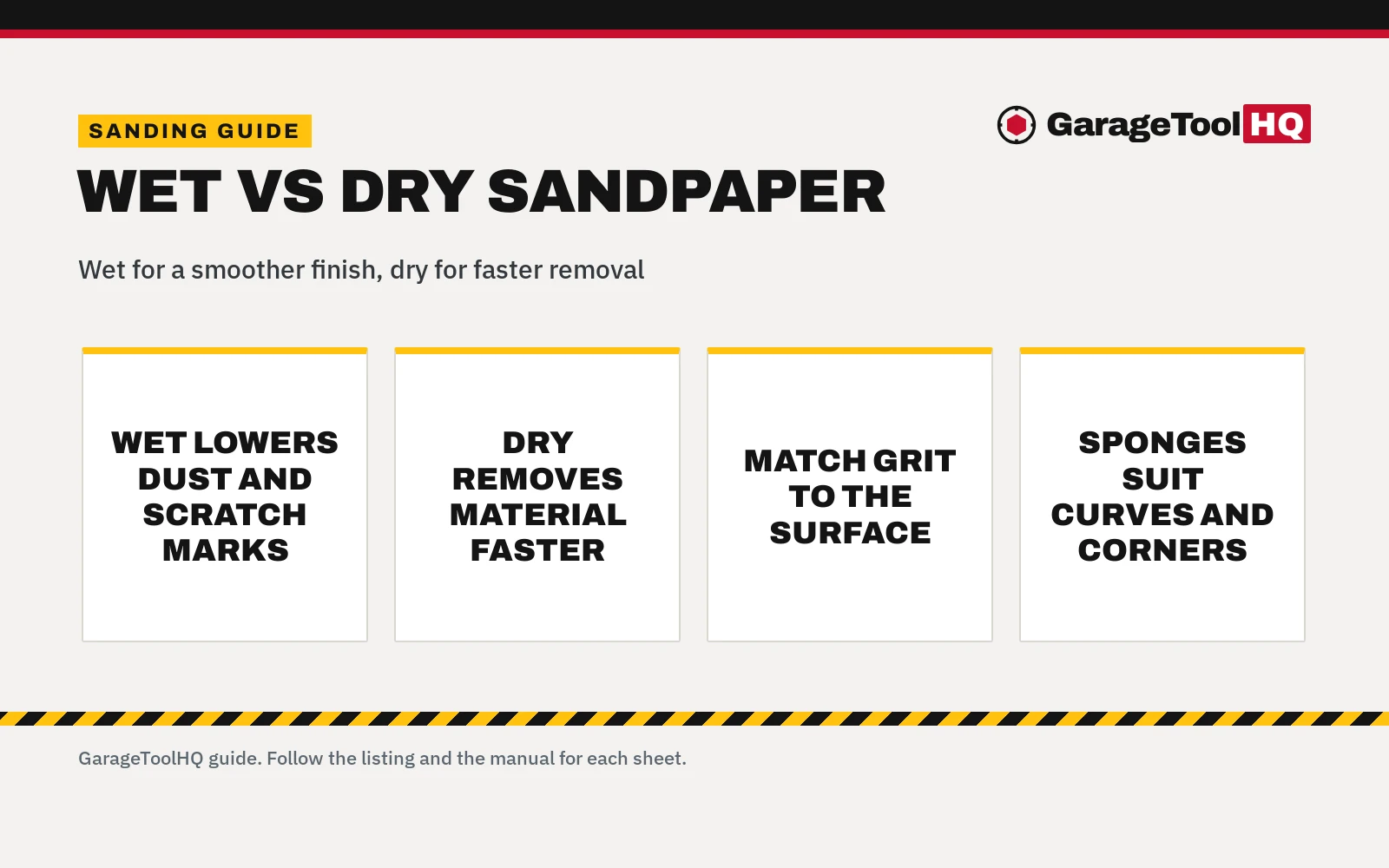
Wet vs dry sandpaper comes down to finish, dust and control: wet sanding suits fine paint work, while dry sanding suits faster shaping and prep.

On this page
Top picks at a glance
As an Amazon Associate I earn from qualifying purchases.
- 1
 Dura-Gold 50 Sheet Assorted 3-2/3" x 9" Wet or Dry Sandpaper9.7/10View on Amazon
- 2
 HSYMQ 24PCS Sand Paper Variety Pack Sandpaper 12 Grits9.7/10View on Amazon
- 3
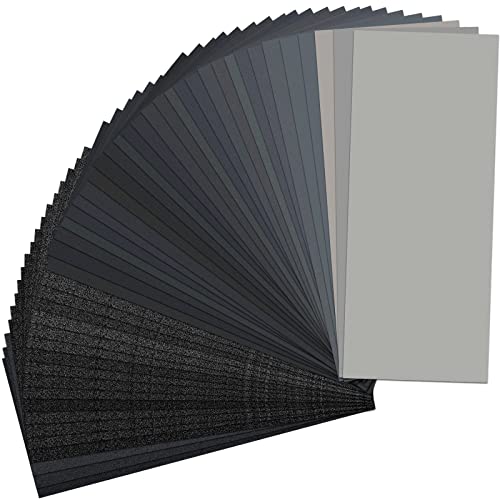 48 PCS Sandpaper 120-5000 Grit Wet Dry Sand Paper 9x3.6" for9.7/10View on Amazon
- 4
 Shineboc 18-Sheet 9 x 11 Inch Sandpaper AssortmentView on Amazon
- 5
 Shineboc Extra Fine Sandpaper AssortmentView on Amazon
- 6
 Shineboc Sandpaper 600 GritView on Amazon
- 7
 Shineboc Sandpaper 800 GritView on Amazon
- 8
 24 PCS Sanding Sponge Block 800-1000 Grit Wet Dry SandpaperView on Amazon
- 9
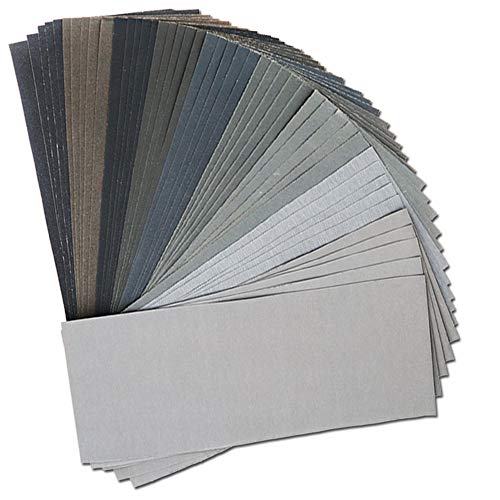 45Pcs Wet Dry SandpaperView on Amazon
Smoothing a fender edge before paint leaves a garage dilemma that shows up on every panel: dust in the air, scratches in the surface, and a finish that either looks clean or needs more work. Wet vs dry sandpaper is the choice behind that result. Wet sanding uses water with the sheet to carry dust away and keep the sheet cutting cleanly, while dry sanding works without water for quicker material removal and simpler setup. The right call depends on the surface, the grit on hand, and how fine the finish needs to be.
Other tools worth a look
 Shineboc 18-Sheet 9 x 11 Inch Sandpaper AssortmentCheck price on Amazon
 Shineboc Extra Fine Sandpaper AssortmentCheck price on Amazon
 Shineboc Sandpaper 600 GritCheck price on Amazon
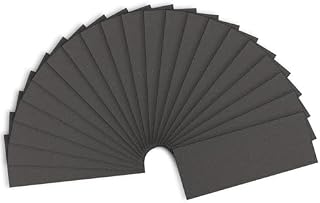 Shineboc Sandpaper 800 GritCheck price on Amazon
 24 PCS Sanding Sponge Block 800-1000 Grit Wet Dry SandpaperCheck price on Amazon
 45Pcs Wet Dry SandpaperCheck price on Amazon
GarageToolHQ earns a commission when you buy through links on our product pages, at no extra cost to you. Read our affiliate disclosure.
Below: how wet and dry sanding differ, when wet sanding wins, when dry sanding wins, how to pick a grit, and gear worth a look for garage paint and wood work.
Wet vs Dry Sandpaper: How the Two Methods Differ
Wet and dry sanding use the same motion, a sheet moved across a surface to level and smooth it, but water changes what happens at the surface. With wet sanding, water carries loose grit and dust away from the sheet, which helps keep the sheet cutting cleanly and helps reduce scratches from loose debris. With dry sanding, the sheet cuts without that wash, which keeps the job simple and lets material come off quickly, but dust stays in the air and on the surface unless it is wiped away.
| Method | How it works | Garage strength | Watch out for |
|---|---|---|---|
| Wet sanding | Water with the sheet during sanding | Smoother finish and less airborne dust | Wet slurry on the surface and nearby parts |
| Dry sanding | Sheet used without water | Faster material removal and simple setup | Dust in the air and on the surface |
Neither method suits every job. A panel that needs a fine, even finish before paint leans wet, while a rough board that needs shaping leans dry. Grit matters as much as method: a coarse sheet cuts fast and leaves visible marks, while a fine sheet leaves a smoother surface.
When Wet Sanding Wins in the Garage
Wet sanding earns its place on paint work. The Shineboc listing notes that wet sanding helps reduce scratches and minimizes dust emissions, and the 3M listing describes wet sanding for clear coat sanding and paint defect removal. The 3M listing names scuffing paint, featheredging primer and paint, and the final sanding step before priming as uses for its sheets in wet or dry sanding.
Wet sanding also suits fine finishing on wood furniture and metal when a smooth surface matters more than speed. Fine grits leave shallow marks that blend under a finish coat, and reduced dust helps near a car that is already masked.
When Dry Sanding Wins in the Garage
Dry sanding wins when speed and simplicity matter more than a fine finish. The Shineboc listing notes that dry sanding offers faster material removal and convenience, and the Pukamam listing describes dry sanding as quick material removal. For shaping a board, knocking down a rough edge, or smoothing drywall and wood furniture before a later grit, dry sanding gets the job moving without water or drying time.
Dry sanding also suits surfaces that must stay dry. Work with ventilation, wipe the surface between grits, and check the sheet often, since a loaded sheet cuts slower and can leave uneven marks.
Grit Choice for Wet vs Dry Sandpaper
Grit numbers run from coarse to fine, with lower numbers cutting faster and higher numbers leaving a smoother surface. A wide assortment lets a garage job move through stages: start coarse enough to level the surface, then step through finer grits until the marks blend. Jumping straight to a fine grit on a rough surface wastes sheets, while staying coarse leaves marks that show through paint.
For paint and fine finishes, the listings here point to fine and superfine grits. The 3M pack covers 1000, 1500, 2000, 2500 grit for clear coat and paint defect work. The BAISDY assortment covers 400/600/ 800/1000/ 1200/1500/ 2000/2500/ 3000 grit for fine woodworking, metal cleaning and polishing, and automotive jobs. The Pukamam sponge pads cover 800-1000 grit for smoothing wood furniture, metal and drywall. The Shineboc assortment covers 120/180/240/320/400/600/800/1000/2000 grit, spanning rough shaping through fine finishing.
Match the grit to the stage, not to the whole job. A coarse grit shapes and levels, a mid grit blends the marks left behind, and a fine grit prepares the surface for paint or a finish coat. Check a small, hidden area with the planned grit and method, then look at the surface in good light before moving on.
Gear Worth a Look for Wet vs Dry Sandpaper
Shineboc 18-Sheet 9 x 11 Inch Sandpaper Assortment. This assortment includes 18 sheets with 9 grits, covering 120/180/240/320/400/600/800/1000/2000 grit, with 2 sheets per grit. The sheets measure 9 x 11 inches, use silicon carbide with an electrostatic coating, and carry a reinforced backing layer that the listing describes as tear-resistant under high pressure and on irregular surfaces. The listing states anti-clogging properties, a grit number marked on the back, and sheets that can be cut into different sizes. Stated uses cover wood, metal, automotive paint, plastic and stone, and the sheets suit sanding blocks, orbital sanders and pneumatic sanders.
BAISDY 45Pcs Wet Dry Sandpaper. This assortment includes 45 sheets across 400/600/ 800/1000/ 1200/1500/ 2000/2500/ 3000 grit, with 5 sheets of each grit. The sheets measure 9 x 3.6 inches, use silicon carbide with an electro coating, and can be cut and folded to fit hand tools and work piece crevices. The grit sits on the back of each sheet. Stated uses cover fine woodworking, cleaning and polishing metal, wood furniture finishing, wood turning finishing and automotive jobs, and the listing describes the sheets as working well for dry and wet sanding.
3M Wetordry Sandpaper 03006 pack. This pack holds 5 sheets total per pack, with grits of 1000, 1500, 2000, 2500 in a size of 3 2/3 in x 9 in. The pack features one sheet of 1000 grit, one sheet of 1500 grit, one sheet of 2500 grit and two sheets of 2000 grit. The abrasive is silicon carbide that self-fractures for longer life, and the backing is described as flexible, with a more consistent scratch pattern for finishing and polishing plastics, metal and coatings. Stated uses cover polishing clear coat, paint defect removal, scuffing paint, fine featheredging of auto body primer and paint, and the final sanding step before priming auto body panels.
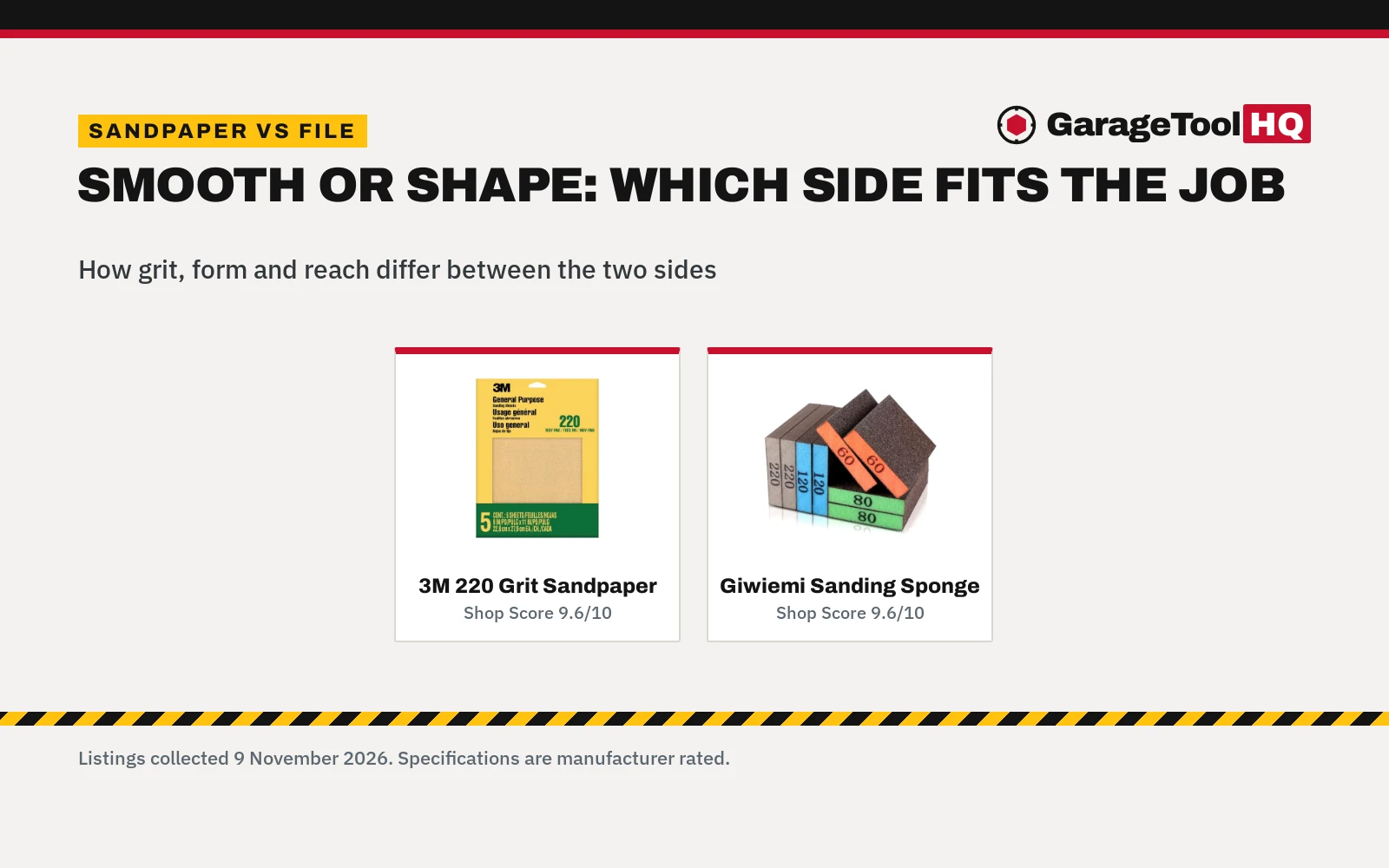
Pukamam 24 PCS Sanding Sponge. This set includes 24 sponge pads in 800-1000 grit, each measuring 3.93 x 2.75 x 0.19 inches. A soft sponge buffering layer absorbs vibrations and helps reduce hand fatigue, while the flexible foam adapts to curves and tight corners for even sanding on flat or irregular surfaces. The pads are described as washable and reusable, with wet sanding reducing dust and extending lifespan and dry sanding giving quick material removal. Stated uses cover smoothing wood furniture, metal and drywall, plus automotive refinishing and wood furniture refinishing.
Use rated jack stands on solid ground, wear eye protection with power and air tools, keep fuel-burning equipment out of a closed garage, and follow the manual for every tool. Read our Safety Disclaimer.
FAQ: garage tools
Should I wet sand or dry sand car paint?
Wet sanding suits paint work when a fine, even finish matters, since water helps reduce scratches and dust while the sheet works. The 3M listing describes its sheets for wet or dry sanding, including clear coat sanding, paint defect removal, scuffing paint and the final sanding step before priming. Dry sanding suits faster shaping and prep, but leaves more dust, so wipe and inspect the panel between grits.
What grit should I use for wet sanding a car?
Fine grits suit wet sanding on paint: the 3M pack covers 1000, 1500, 2000, 2500 grit for clear coat and paint defect work, and the BAISDY assortment reaches 3000 grit for fine and superfine work. Start with the coarsest grit that leaves marks fine enough to blend, then step finer until the surface looks even.
Can I use the same sheet wet and dry?
All listings here describe wet and dry use, so a sheet from any of these sets can move between methods as the job changes. Keep the sheet clean between passes, since a loaded sheet cuts slower and can leave uneven marks.
When should I choose dry sanding instead?
Choose dry sanding when speed and simple setup matter more than a fine finish, such as shaping wood, smoothing drywall, or knocking down a rough edge. Use ventilation, wipe dust from the surface between grits, and switch to wet sanding for fine paint finishing.
Are sponge pads better than sheets for curved surfaces?
Sponge pads suit curves and tight corners because the flexible foam adapts to the shape instead of bridging over it. The Pukamam pads measure 3.93 x 2.75 x 0.19 inches and use a soft sponge buffering layer for even sanding on flat or irregular surfaces. Flat sheets suit large, flat panels.
Related: sanding sponge vs sandpaper, sandpaper for wet sanding a car and sandpaper kit for cars.