Why Does My Air Compressor Keep Tripping the Breaker?
Why an air compressor trips the electrical breaker: troubleshooting unloader valves, startup capacitors, shared branch circuits and garage wiring issues.

On this page
Top picks at a glance
As an Amazon Associate we earn from qualifying purchases.
- 1
 Stealth Air Compressor 2 Gallon9.7/10View on Amazon
- 2
 Ingersoll Rand P1.5IU-A9 2 HP Single-Stage Air Compressor9.7/10View on Amazon
- 3
 Campbell Hausfeld 80-Gallon Vertical Electric Air Compressor9.7/10View on Amazon
- 4
 uxcell AC 125/250V 20A Air Compressor Circuit BreakerView on Amazon
- 5
 uxcell AC 125V/250V 15A Push Button Circuit Breaker for AirView on Amazon
Why does my air compressor keep tripping the breaker? An air compressor trips the breaker when the electric motor draws more current than the branch circuit or overload protector can handle. This surge commonly occurs because a failed unloader valve traps high head pressure against the pump pistons, a weak start capacitor fails to deliver necessary starting torque, or the machine shares an overloaded circuit with other garage tools. Cold oil, low line voltage through an extension cord, or a failing motor overload protector switch can also trigger sudden shutdowns.
More options to compare
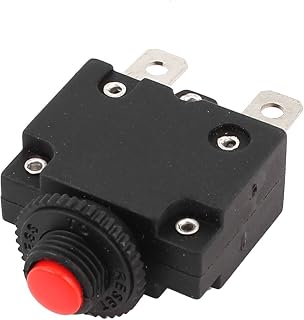 uxcell AC 125/250V 20A Air Compressor Circuit BreakerCheck price on Amazon
 uxcell AC 125V/250V 15A Push Button Circuit Breaker for AirCheck price on Amazon
GarageToolHQ earns a commission when you buy through links on our product pages, at no extra cost to you. Read our affiliate disclosure.
Below: why electrical inrush and mechanical resistance cause breakers to trip, how startup shutdowns differ from mid-cycle interruptions, and a practical checklist to diagnose the underlying fault safely.
Why does my air compressor keep tripping the breaker? Primary electrical and mechanical causes
Electric air compressors place high demands on garage electrical systems. An induction motor requires substantial inrush current to start turning against stationary pump components. When mechanical friction increases or electrical supply drops, motor current spikes, causing the breaker in the panel or the thermal switch on the compressor to trip. The primary causes include:
- Stuck unloader valve. When the compressor shuts off, the unloader valve should hiss as it vents trapped air between the pump and the tank check valve. If the unloader valve sticks closed, high head pressure remains trapped above the pistons. The motor then stalls trying to start against that trapped air, instantly tripping the breaker.
- Leaking tank check valve. The check valve at the tank inlet prevents stored air from flowing backward. If debris or wear prevents the check valve from sealing, tank air leaks backward into the pump head. This continuous backpressure overwhelms the unloader and overloads the motor at startup.
- Degraded start capacitor. Garage compressors rely on a start capacitor to generate the torque needed to spin the motor up to speed. When a capacitor degrades or leaks, the motor cannot overcome the pump load, pulling locked-rotor amperage until the breaker trips.
- Shared branch circuit loads. Garage circuits often supply multiple outlets, lighting, and chargers. An air compressor sharing a circuit with other active tools quickly exceeds the breaker threshold during startup inrush.
- Voltage drop from extension cords. Long or thin extension cords cause severe voltage drop under high current draw. When supplied voltage drops, motor amperage rises to compensate, overheating windings and tripping the breaker.
- Cold oil and low garage temperatures. Chilled lubricating oil inside the pump crankcase becomes viscous in unheated garages. This fluid drag forces the motor to draw heavy current to turn the pump.
- Worn motor thermal overload switch. The protector switch mounted to the motor housing can weaken over time. Repeated heat exposure causes the internal bimetallic strip to trip at normal operating temperatures.
Comparing breaker trip symptoms: when the shutdown happens
Observing exactly when the breaker trips helps isolate electrical faults from mechanical pressure issues:
| Trip Timing | Probable Cause | Component to Inspect | Corrective Action |
|---|---|---|---|
| Immediate trip on startup with empty tank | Short circuit, failed start capacitor, or seized pump | Start capacitor, motor wiring, and pump flywheel | Unplug unit, rotate flywheel by hand, and inspect capacitor for bulging |
| Trip during restart while tank holds pressure | Stuck unloader valve or leaking tank check valve | Unloader valve and brass tank check valve | Listen for unloader exhaust hiss; inspect check valve for backpressure leakage |
| Trip after running continuously for several minutes | Low line voltage, extension cord resistance, or shared circuit load | Wall outlet circuit, cord gauge, and branch breaker | Remove extension cords, plug into dedicated outlet, and disconnect shared shop loads |
| Motor hums without spinning until breaker trips | Open centrifugal switch, bad capacitor, or stiff cold oil | Centrifugal switch, start capacitor, and crankcase oil | Warm the workspace, check oil viscosity, and inspect capacitor continuity |
If the breaker trips immediately while the tank is completely empty, mechanical backpressure is not the problem. Focus on electrical components like the start capacitor, motor windings, or a pump that has seized. If the compressor starts smoothly when empty but trips upon restarting at cut-in pressure, trapped head pressure from an unloader or check valve failure is almost always responsible.
How to troubleshoot a compressor tripping the breaker: step-by-step checklist
Follow this inspection checklist to diagnose the issue safely:
- Disconnect electrical power. Unplug the compressor from the wall receptacle and turn the power switch off before touching any components.
- Eliminate extension cords. Plug the power cord directly into a wall receptacle. Never run an air compressor through light-duty extension cords or power strips.
- Listen for the unloader hiss. Run the compressor or bleed air until the motor stops. You must hear a sharp hiss of venting air from the pressure switch unloader. If no air escapes, inspect the unloader valve.
- Check the tank check valve. With the tank pressurized and the compressor unplugged, disconnect the unloader line at the pressure switch. If air leaks continuously from the fitting, replace the tank check valve.
- Rotate the pump flywheel by hand. With power disconnected, turn the pump flywheel in the direction of the rotation arrow. It should turn smoothly through each compression stroke without grinding or binding.
- Inspect the start capacitor. Remove the capacitor cover on the motor housing. Look for bulging, oil leaks, or burned terminals, which indicate internal capacitor failure.
- Reset the thermal overload switch. If the motor feels warm, allow it to cool down completely before pressing the red or black overload reset button.
- Consult a licensed electrician. If the compressor still trips the breaker on a dedicated outlet, have a licensed electrician check panel breaker health, wire gauge, and voltage under load.
Do not replace an existing circuit breaker with a higher-amperage unit to stop nuisance trips. Circuit breakers protect branch circuit wiring from overheating and causing fires. Increasing the breaker size on wire not rated for that load creates a severe electrical hazard. Always have a licensed electrician evaluate your electrical panel and garage wiring.
Drain the tank after use so water does not rust it from the inside, never exceed the tool's rated pressure, wear eye protection, and run 240V units on the circuit the manual calls for. Do not run a gas engine compressor in a closed garage. Read our Safety Disclaimer.
Electrical circuit requirements for garage air compressors
Air compressors draw heavy current during startup while overcoming stationary pump inertia. For reliable operation, run the machine on a dedicated branch circuit free from other active loads like heaters or battery chargers.
Compressor motor overload protector switches are calibrated to specific current thresholds. For example, replacement circuit breaker protectors from uxcell specify ratings of 15A and 20A at AC 125/250V, with additional models rated at 10A. Similar overload protectors from Aexit carry a 12A rating at AC 125/250V, while Fafeicy lists circuit breakers with 12A, 15A, and 17A options. When these protectors trip, high current from low voltage or mechanical drag is typically to blame.
Never perform DIY modifications inside your main electrical panel. Sizing branch circuits, selecting wire gauges, and adding dedicated outlets require precise load calculations. Always hire a licensed electrician to evaluate garage wiring, measure voltage drop, or install a dedicated circuit. If you plan to upgrade your workshop equipment, consult our guide to the best air compressor for home garage setups.
Tank maintenance, check valves, and preventing head pressure buildup
Moisture control directly affects startup performance. Compressed air generates condensation that gathers in the bottom of the receiver tank. Over time, moisture creates rust and sediment that foul the tank check valve seat, preventing it from closing tightly when the pump stops.
A leaking check valve allows tank pressure to migrate backward into the pump head, creating severe backpressure that trips the breaker on restart. Draining tank condensation regularly prevents debris from contaminating check valves and unloader ports. Follow our instructions on how to drain water from an air compressor tank and review complete air compressor maintenance procedures.
Frequently Asked Questions
Why does my air compressor trip the breaker only when restarting?
A compressor that trips only during restarts usually has a stuck unloader valve or a leaking tank check valve. If air between the pump and check valve fails to vent, the motor must push against full tank head pressure, drawing excessive locked-rotor current.
Can an extension cord cause a compressor to trip the breaker?
Yes. Extension cords introduce electrical resistance that drops voltage at the motor terminals. Electric induction motors draw higher amperage to compensate for lower voltage, overheating windings and tripping the circuit breaker. Plug directly into a wall receptacle.
How can I identify a failed start capacitor?
A failed start capacitor prevents the motor from spinning, causing a loud hum followed by a tripped breaker. Look for visible bulging on the capacitor casing, leaked fluid, or scorch marks under the motor cover.
What is the difference between the compressor reset button and the panel breaker?
The reset button on the motor housing controls an internal thermal overload switch that trips when motor windings overheat. The panel circuit breaker trips when electrical current exceeds branch wiring capacity. If the motor switch trips, the motor is hot; if the panel trips, circuit current was exceeded.
Why does cold weather cause an air compressor to trip the breaker?
Cold temperatures thicken crankcase lubricating oil. Viscous oil increases mechanical resistance across the crankshaft and pistons, forcing the motor to draw heavy inrush current to turn the cold pump.
Should I install a larger breaker if my compressor keeps tripping?
No. Circuit breakers protect wall wiring from overheating. Installing a larger breaker on undersized wiring creates a fire hazard. Always have a licensed electrician evaluate your panel and install a properly sized dedicated circuit.
Related: our air compressors category hub, the shop guide to how to plumb compressed air lines in a garage, our review of pancake air compressor size options, and our explanation of what CFM at 90 PSI means.