Led vs Fluorescent Shop Lights: Which One Should You Buy?
LED vs fluorescent shop lights: LEDs last 50,000 hours, start instantly and sip power, while fluorescents flicker and fade. How to choose for your garage.

On this page
Top picks at a glance
As an Amazon Associate we earn from qualifying purchases.
- 1
 hykolity 2FT 150W LED Linear High Bay Shop Light9.8/10View on Amazon
- 2
 hykolity 4FT LED Shop Light HB-Q10-509.7/10View on Amazon
- 3
 BBOUNDER 4 Pack 4FT LED Shop Light9.7/10View on Amazon
- 4
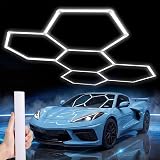 LZHOME Hexagon 5000K LED Garage Lights: 25 Pack UpdatedView on Amazon
- 5
 Sunco 2 Pack 4FT LED Prisma Wraparound Shop LightView on Amazon
- 6
 Linear High Bay LED Shop LightsView on Amazon
- 7
 Upgrade Super Bright 6 Pack 60W LED Shop Lights 4FT 9000LMView on Amazon
- 8
 ELEKICO 200W Highbay Led Shop Light 32000LM 5000K 110V-277VView on Amazon
- 9
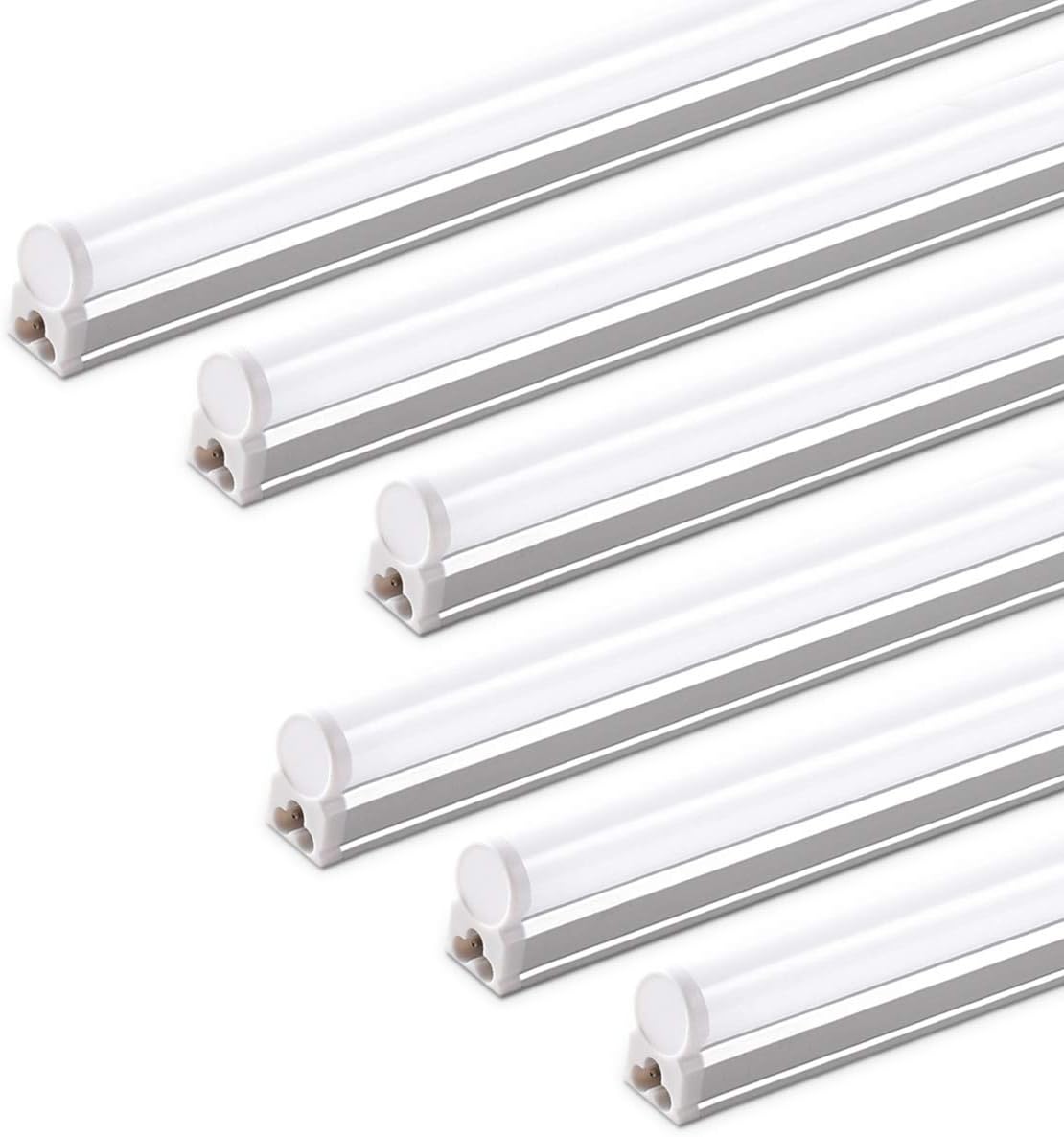 Barrina LED T5 Integrated Single FixtureView on Amazon
LED shop lights last longer, start instantly and use less power; fluorescent fixtures are cheaper to buy but flicker, fade and hum. The led vs fluorescent shop lights question is really about whether you upgrade once or keep replacing tubes. For most garages, LED is the answer now.
More options to compare
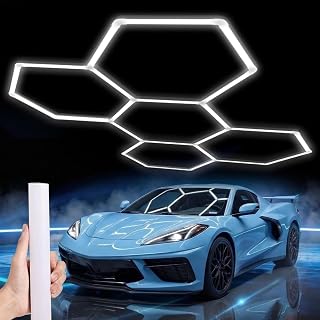 LZHOME Hexagon 5000K LED Garage Lights: 25 Pack UpdatedCheck price on Amazon
 Sunco 2 Pack 4FT LED Prisma Wraparound Shop LightCheck price on Amazon
 Linear High Bay LED Shop LightsCheck price on Amazon
 Upgrade Super Bright 6 Pack 60W LED Shop Lights 4FT 9000LMCheck price on Amazon
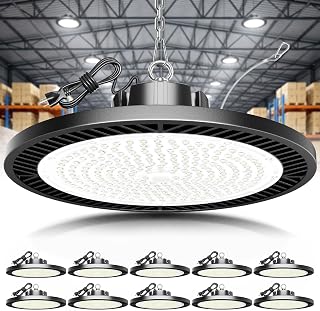 ELEKICO 200W Highbay Led Shop Light 32000LM 5000K 110V-277VCheck price on Amazon
 Barrina LED T5 Integrated Single FixtureCheck price on Amazon
GarageToolHQ earns a commission when you buy through links on our product pages, at no extra cost to you. Read our affiliate disclosure.
led vs fluorescent shop lights: the quick answer
LED shop lights win on almost every measure that matters in a garage: a 50,000-hour rated life, instant full brightness, no flicker, and color temperatures from 4000K to 6500K. Fluorescent tubes cost less up front but dim over time, buzz, and hate the cold. If your fluorescent fixture still works, an LED retrofit is the middle path; if you are buying new, buy LED.
What LED shop lights do better
Lifespan is the headline: 50,000 hours on the LED listings we reviewed, which is years of garage use before a replacement. Brightness is next: 12000LM on a 6500K linkable shop light, 7200LM dimmable at 60W, and a dimmable 150W high bay for tall ceilings. Color temperature is selectable on many units: 4000K, 5000K and 6000K on one listing, 6500K daylight white on others, so you pick warm task light or crisp daylight. Extras that fluorescents never had: motion sensors, dimming, linkable 4FT runs that daisy-chain off one outlet, and shatterproof housings. One listing notes an LED retrofit in a fluorescent fixture achieves up to 70% reduction in daily energy use, which is the running-cost win.
Where fluorescent still makes sense
The honest case for fluorescent is narrow: you already own working fixtures and want the cheapest possible light right now. Fluorescent tubes are cheap and widely available, and in a warm, always-on shop they still light the room. The downsides are real: tubes dim with age, flicker on startup, buzz on the ballast, and lose output in cold garages. They also need tube replacements and ballast swaps over time, which eats the upfront savings. If the fixture is already failing, replacing it with LED costs little more than repairing it.
Color temperature and brightness for a garage
For general garage work, 5000K daylight white is the common pick in the listings: bright, neutral and close to daylight. 6500K cool daylight white is crisper and suits detail work; 4000K is warmer and easier on the eyes for long sessions. Brightness: the listings run from 7200LM dimmable units to 12000LM high-output shop lights, with a 150W high bay for tall ceilings. Two 4FT linkable fixtures usually cover a single-car garage; scale up for a two-car or workshop space. Dimmable models let you drop the light for evening work without swapping fixtures.
Retrofitting a fluorescent fixture
If the fluorescent fixture is in good shape, an LED tube retrofit keeps the housing and swaps the light source. The listings include 4FT LED tubes and integrated 4FT fixtures; one notes up to 70% reduction in daily energy use after the swap. Check whether the retrofit needs the ballast bypassed: some LED tubes work with the existing ballast, others need it removed. When the ballast is already dead or the fixture is damaged, a new integrated LED shop light is usually simpler than a retrofit.
How many fixtures a garage needs
The listings give you the building blocks: 4FT linkable shop lights that daisy-chain off one outlet, 12000LM high-output units for big spaces, and a dimmable 150W high bay for tall ceilings. A single-car garage usually does well with two 4FT linkable fixtures; a two-car garage or workshop wants four, spread so the light reaches the workbench and the far corners. Linkable fixtures make this easy: run them end to end from one outlet instead of wiring new circuits. For tall ceilings, the 150W high bay throws light further than a standard shop light. Motion sensor models save the walk to the switch in a busy garage; dimmable models let you drop the light for evening work. The 25-pack 5000K LED garage lights in the listings show how shops buy in bulk when lighting a whole workspace at once.
Cost and payback
LED fixtures cost more per unit than fluorescent tubes, but the math favors LED over time. A 50,000-hour rated life means years before a replacement, against tubes that dim and need swapping. The 70% reduction in daily energy use from an LED retrofit in a fluorescent fixture cuts the running cost directly. Add no ballast replacements, no tube stockpiling and no flicker-related callbacks, and the payback is real for a garage that sees daily use. For a rarely used storage garage, the cheapest fluorescent tubes still win on upfront cost; for a working shop, LED pays for itself.
Choosing your color temperature
Color temperature is the most personal choice in the listings, and the figures give you the full range. One listing offers selectable 4000K, 5000K and 6000K in a single fixture, which is the flexible buy: try each setting and keep the one your eyes like. 5000K daylight white is the common pick across the listings: bright, neutral and close to noon daylight, which suits general garage work from oil changes to woodworking. 6500K cool daylight white runs crisper and slightly blue; it suits detail work like wiring or paint inspection where contrast matters. 4000K is the warmest of the set, easier on the eyes for long evening sessions but less crisp for fine work. If you buy fixed-temperature fixtures, 5000K is the safe default; if you buy selectable, start at 5000K and adjust. Pair the temperature with dimming where the listing offers it: the dimmable 7200LM 60W unit lets you drop from task lighting to ambient without swapping fixtures.
Frequently Asked Questions
Can I replace fluorescent tubes with LED tubes?
Yes. The listings include 4FT LED tubes made for the swap, with one noting up to 70% reduction in daily energy use. Check whether the tube needs the ballast bypassed before you buy.
What color temperature is best for a garage?
5000K daylight white is the common pick in the listings. 6500K cool daylight suits detail work; 4000K is warmer for long sessions. Selectable models offer 4000K, 5000K and 6000K in one fixture.
How long do LED shop lights last?
The listings state 50,000 hours of illumination, which is years of typical garage use. Fluorescent tubes dim with age and need replacing far sooner.
Are LED shop lights dimmable?
Some are. The listings include a dimmable 7200LM 60W unit and a dimmable 150W high bay. Check the listing: not every LED shop light dims.
Do LED shop lights work in cold garages?
Yes, and that is one of their advantages over fluorescent: LEDs start instantly at full brightness, while fluorescent tubes flicker and lose output in the cold.
Related guides
Also see our best cordless work light with stand and the garage upgrades hub.