Truck Dash Cam vs Car Dash Cam: Which One Should You Buy?
Truck and car dash cams compared by mount, view, channels, resolution, storage, parking mode and connectivity, with 4 gear examples.

On this page
Top picks at a glance
As an Amazon Associate I earn from qualifying purchases.
- 1
 WOLFBOX G840S 12" 4K Mirror Dash Cam Backup Camera with 32GB9.6/10View on Amazon
- 2
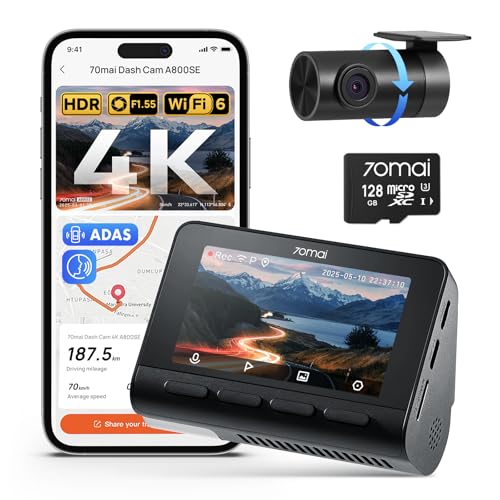 70mai 4K Dash Cam Front and Rear9.8/10View on Amazon
- 3
 ROVE R2-4K Dash Cam9.6/10View on Amazon
- 4
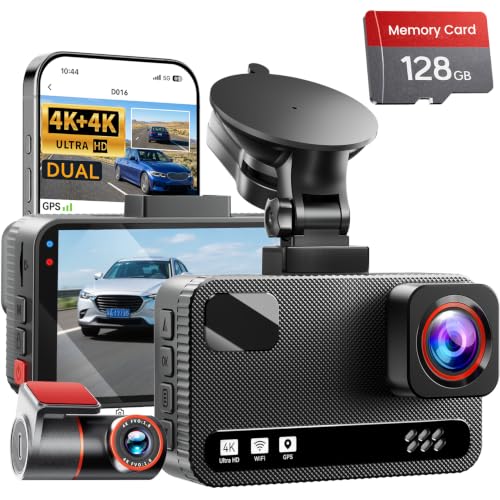 4K+4K Dual Dash Cam Front and RearView on Amazon
- 5
 IIWEY N5 4 Channel Dash Cam for CarsView on Amazon
- 6
 Affver 4K+2.5K Dash Cam Front and RearView on Amazon
- 7
 REDTIGER F77 V2 256GB eMMC Dash CamView on Amazon
- 8
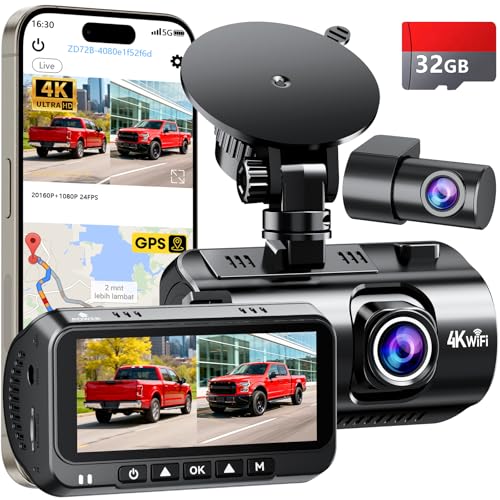 Front and Rear Dash Cam for Truck: 4K+1080P Dual Dash CameraView on Amazon
- 9
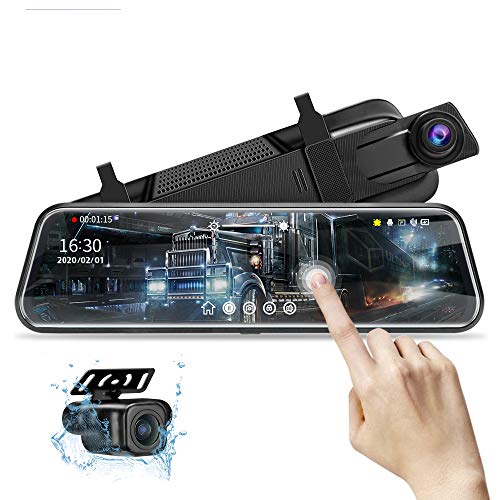 10’’ Mirror Dash Cam Front and Rear View Mirror Camera NightView on Amazon
Truck dash cam vs car dash cam comes down to mount and view: a car dash cam usually sits on a small windshield and watches the road ahead and behind, while a larger truck cab can suit a wider view around the vehicle, with side coverage and a mirror or multi-channel setup where listed.
Other tools worth a look
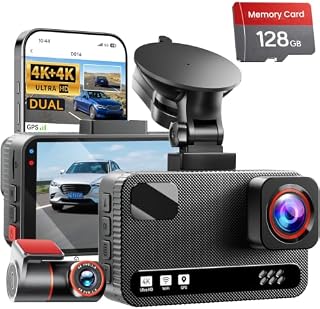 4K+4K Dual Dash Cam Front and RearCheck price on Amazon
 IIWEY N5 4 Channel Dash Cam for CarsCheck price on Amazon
 Affver 4K+2.5K Dash Cam Front and RearCheck price on Amazon
 REDTIGER F77 V2 256GB eMMC Dash CamCheck price on Amazon
 Front and Rear Dash Cam for Truck: 4K+1080P Dual Dash CameraCheck price on Amazon
 10’’ Mirror Dash Cam Front and Rear View Mirror Camera NightCheck price on Amazon
GarageToolHQ earns a commission when you buy through links on this page, at no extra cost to you.
What truck dash cam vs car dash cam means
| Aspect | Car dash cam | Truck dash cam |
|---|---|---|
| Mount | Windshield or mirror camera in a car cab | Windshield, mirror or multi-camera setup in a truck cab |
| View | Road ahead and behind | Road ahead and behind, plus sides and cabin where listed |
| Channels | Dual channel, 3-channel and 5-channel examples | Channel count follows the coverage needed, not the vehicle type |
| Parking | Parking mode with G-sensor lock | Parking mode with G-sensor lock and time-lapse where listed |
The labels overlap in practice: one listing names both cars and trucks, and the difference is less about the badge on the box than about how much of the vehicle the cameras cover and where the unit mounts.
Mount and view
A car cab gives a dash cam a short, clear run to the windshield, with the rear camera looking back through the rear window. A truck cab sits higher and wider, with larger blind spots at the sides, so the mount and the field of view matter more than they do in a car. A mirror dash cam replaces or clips over the rearview mirror, which suits a truck cab where the mirror is the natural place for a rear view. A multi-channel setup adds cameras at the sides, which suits lane changes and side impacts. The NAMUNAS listing describes adjustable side cameras on flexible arms that bend and lock to a chosen angle, aimed at blind spots and license plate visibility at the sides. The REDTIGER listing describes a dual camera setup with a touchscreen for control. The WOLFBOX listing names a mirror form for cars and trucks, with front and rear cameras.
Channels and coverage
Channel count is the simplest way to compare coverage, since each channel is one camera view. A dual channel setup records front and rear. A 3-channel setup adds an inside view, which suits a cab with passengers or cargo worth documenting. A 5-channel setup adds left and right side cameras to the front, rear and cabin views, which the listing describes as coverage of all four sides of the vehicle. The REDTIGER example records front and rear in dual 4K. The SUVCON example records front, rear and inside. The NAMUNAS example records front, rear, cabin and 2 side cameras at once. A car driver who only needs road evidence can use a dual channel setup, while a truck driver who changes lanes in traffic and parks in busy lots gets more from side cameras and a cabin view.
Resolution, night vision and storage
Resolution affects whether a plate or a road sign stays readable in the footage. The REDTIGER example records front and rear in 4K at 30fps with dual STARVIS 2 sensors, and the listing claims detailed footage even in low light. The NAMUNAS example records front in 2K and rear in 1080p, with IR night vision LEDs for the cabin in darkness. The WOLFBOX example is listed as a 4K mirror camera. The SUVCON example is listed at 1296P with night vision and HDR. Storage follows the same pattern: the REDTIGER example carries 256GB of eMMC storage with ECC checking and power-off protection, the NAMUNAS example includes a 128GB card, and the WOLFBOX and SUVCON examples each list a 32GB card. Loop recording, which the SUVCON listing names, keeps the card from filling by overwriting older unlocked footage, while a G-sensor lock keeps footage from a detected collision from being overwritten.
Parking mode, GPS and connectivity
Parking mode is where truck and car needs meet, since both vehicles sit unattended in lots. The REDTIGER example offers 24H parking mode with a G-sensor that locks footage on collision, with a hardwire kit needed to activate time-lapse and collision lock parking monitoring. The NAMUNAS example offers parking mode with time-lapse and G-sensor emergency lock, with an included ACC hardwire kit for continuous monitoring. The SUVCON example lists 24Hr parking with a G-sensor. GPS appears on the REDTIGER, NAMUNAS and WOLFBOX examples, and the REDTIGER and NAMUNAS listings describe logging location, speed and route. Connectivity also differs: the REDTIGER example uses 5.8GHz WiFi, the NAMUNAS example uses 5G WiFi with an app for live view and playback, and the WOLFBOX example lists 5.8GHz WiFi. Voice control appears on the REDTIGER example, with 12 voice commands for locking footage and taking photos, while the NAMUNAS example adds a privacy mode that turns off the cabin camera and mic with one tap while the other cameras keep recording.
Gear examples
REDTIGER F77 V2
The REDTIGER F77 V2 is a dual 4K front and rear dash cam with dual STARVIS 2 sensors, a 4-inch touchscreen, 256GB of eMMC storage, 5.8GHz WiFi, GPS tracking, WDR night vision, collision detection and 24H parking mode. Voice control covers 12 commands for locking footage and taking photos. The spec table lists an 18 months warranty. This example suits a driver who wants dual 4K resolution in a front and rear setup, with built-in storage rather than a separate card.
NAMUNAS N5
The NAMUNAS N5 is a 5-channel dash cam with 2K front, 1080p rear, cabin and 2 adjustable 1080p side cameras, plus GPS, HDR, 5G WiFi, an app, a 128GB card and an ACC kit. The cabin view uses IR night vision LEDs, the side cameras bend and lock to a chosen angle, and privacy mode turns off the cabin camera and mic with one tap. The spec table lists a 1 Year Manufacturer warranty and an item weight of 0.33 pounds. This example suits a driver who wants side coverage and a cabin view, including rideshare use where passenger privacy matters.
WOLFBOX G840S
The WOLFBOX G840S is a 12-inch 4K mirror dash cam with front and rear cameras, a 32GB card, GPS, 5.8GHz WiFi, night vision and parking assistance, listed for cars and trucks.
SUVCON Dash Cam
The SUVCON dash cam is a 3-channel front, rear and inside camera at 1296P, with a 32GB card, loop recording, night vision, HDR, 24Hr parking and a G-sensor.
Use rated jack stands on solid ground, wear eye protection with power and air tools, keep fuel-burning equipment out of a closed garage, and follow the manual for every tool. Read our Safety Disclaimer.
FAQ: garage tools
Can a car dash cam work in a truck?
A car dash cam can record in a truck, but the mount and the view may not suit the larger cab. A mirror or multi-channel setup fits a truck cab better, and side cameras cover blind spots that a front and rear pair misses.
Do trucks need side cameras?
Side cameras help where a truck has large blind spots. The NAMUNAS example adds adjustable side cameras for lane changes, side impacts and license plate visibility at the sides.
Is a mirror dash cam good for trucks?
A mirror dash cam suits a truck cab because it uses the rearview mirror position for a wide rear view. The WOLFBOX example is listed as a mirror camera for cars and trucks, with front and rear cameras.
What storage should a dash cam have?
Storage in these examples runs from a 32GB card to 256GB of eMMC storage. The REDTIGER example carries 256GB of eMMC storage. The NAMUNAS example includes a 128GB card. The WOLFBOX and SUVCON examples each list a 32GB card.
Do truck dash cams need GPS and parking mode?
GPS and parking mode help any vehicle that sits unattended or travels far from home. The REDTIGER, NAMUNAS and WOLFBOX examples list GPS. The REDTIGER, NAMUNAS and SUVCON examples list parking mode with a G-sensor lock.
Related: the best truck dash cam, the best dash cam for car, mirror vs windshield dash cam, single channel vs dual channel dash cam and the dash cams category.