AC Vacuum Pump Repair Options
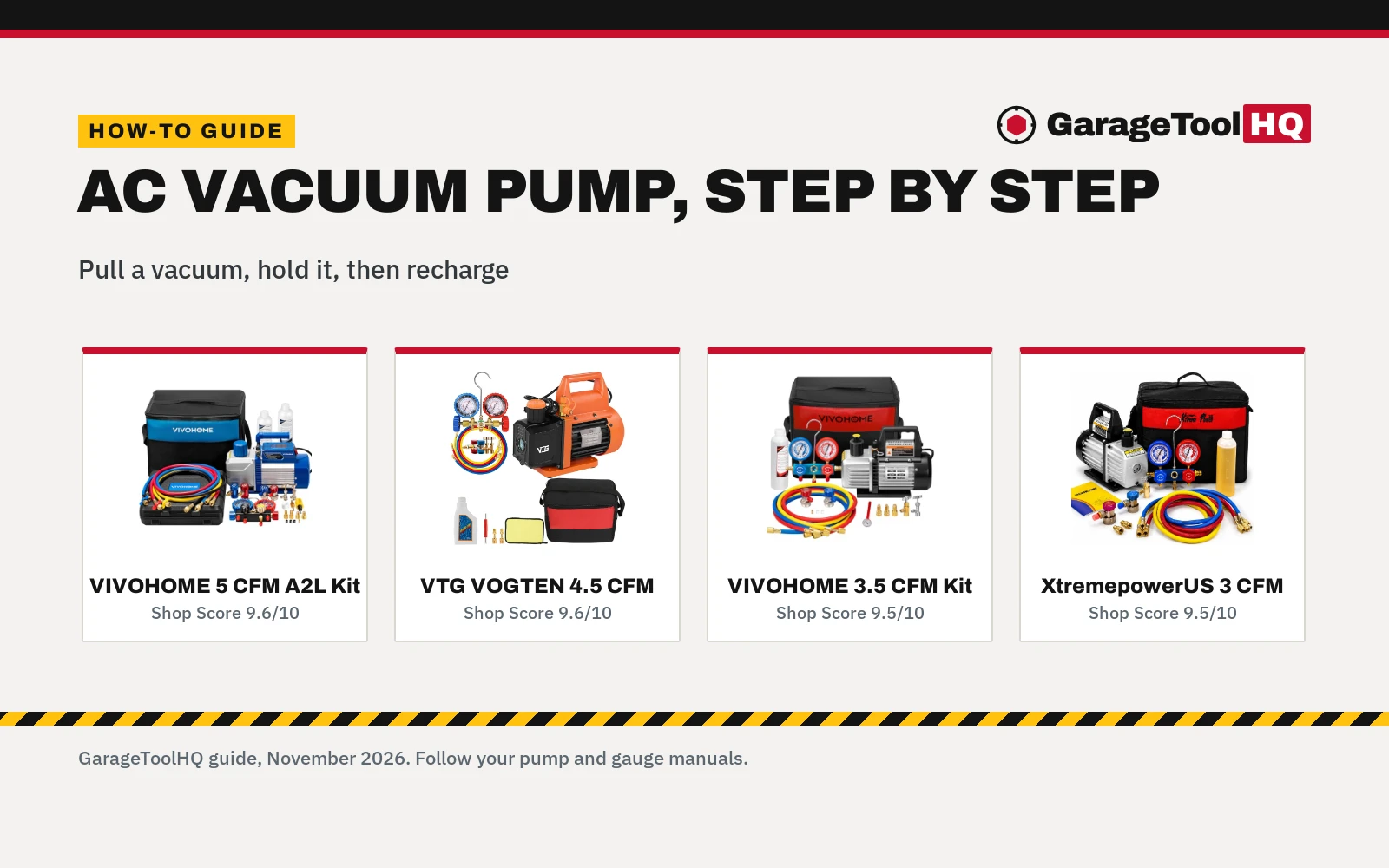
When a vacuum pump runs but the gauge never drops, the fault is usually the oil, a leak, or a worn seal: find it, fix what is serviceable, and replace the pump when the motor or body fails.

On this page
Top picks at a glance
As an Amazon Associate I earn from qualifying purchases.
- 1
 AAA 3700 PSI 2.5 GPM Horizontal Replacement Pressure Washer9.7/10View on Amazon
- 2
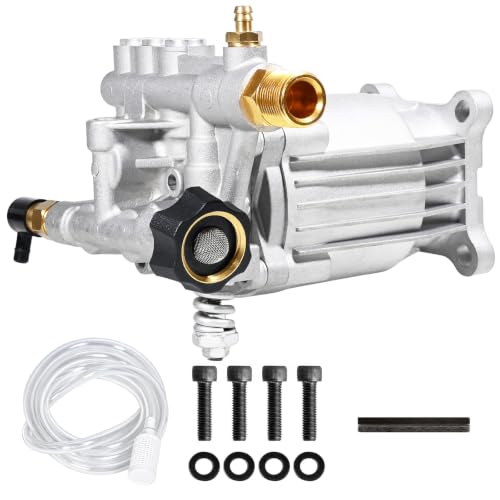 YAMATIC 3/4" Horizontal Shaft Pressure Washer Pump Max 34009.6/10View on Amazon
- 3
 WOJET Horizontal Self-Priming Pressure Washer Pump 3/4"Shaft9.6/10View on Amazon
Picture the scene: the manifold gauges are hooked up, the pump has been running a while, and the needle sits where it started instead of dropping toward a deep vacuum. The job stalls, and the pump turns from the tool that solves the problem into the problem itself. AC vacuum pump repair starts with that moment: find why the pump cannot pull a vacuum, fix the cause when it is a serviceable part, and replace the pump when the fault sits in the motor or the pump body.
GarageToolHQ earns a commission when you buy through links on our product pages, at no extra cost to you. Read our affiliate disclosure.
Below: where faults usually sit, how to narrow down the cause, when a repair makes sense, and how to keep a pump in working order.
AC vacuum pump repair: where the fault usually sits
A vacuum pump has a short list of parts that wear or fail. In an oil-sealed pump, the oil does the sealing inside the pump, so dirty or low oil is the most common cause of a weak vacuum. Hoses, fittings and the inlet connection are the most common source of air leaks, since any air that slips in at a joint fights the pump for the whole job. Seals and gaskets harden with age and heat, and a worn seal lets air past the pump chamber. Inside a rotary vane pump, the vanes wear over time, and worn vanes cannot sweep air out of the chamber the way fresh ones do. The motor and its electrical parts fail less often, but when they do, the fix is a job for a licensed electrician rather than a bench repair.
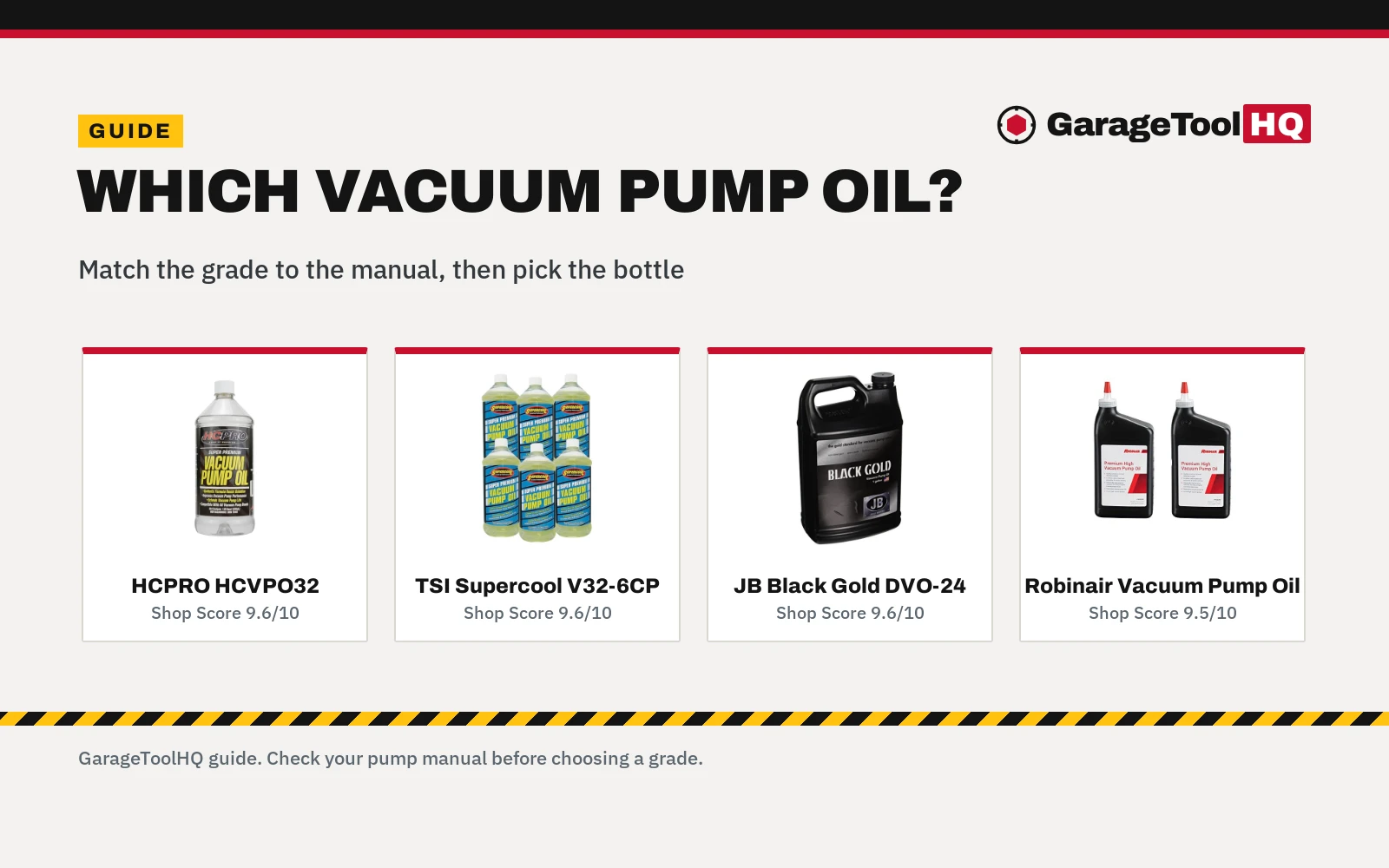
Oil deserves the first look when the pump is oil-sealed, because it is both the most likely fault and the cheapest to fix. Vacuum pump oil seals the moving parts and traps moisture pulled out of the system. Oil that has turned cloudy or milky has taken on moisture, and oil that looks dark has run past its useful life. The maker names the oil type for each oil-sealed pump, so match the oil to the manual. Our guide to vacuum pump oil types explains which oil suits which pump, and the picks in our vacuum pump oil for AC machines roundup cover the common grades.
Air leaks come next. A leak at the inlet fitting, a cracked hose, or a loose manifold connection lets outside air in as fast as the pump pulls it out, so the gauge never reaches a deep vacuum. Check each joint by feel and by sight: a hose that is soft, cracked, or swollen at the ends has run its course, and a fitting that turns by hand needs tightening or a new seal. The gas ballast valve, where the pump has one, should be open while moisture is being pulled out, since an open ballast lets air into the pump to clear moisture, and closed only for the final pull to a deep vacuum.
How to narrow down the fault
Work through the pump in order, from the cheapest fix to the hardest one, and change only one thing at a time.
| Symptom | Likely cause | What to check |
|---|---|---|
| Pump runs, vacuum stays shallow | Dirty or low oil, or an air leak | Oil level and color, then hoses and fittings |
| Vacuum falls, then creeps back up | Air leaking in at a joint or seal, or moisture boiling off inside the system | Each connection from the pump to the manifold, and whether the rise levels off or keeps climbing |
| Pump is loud or vibrates more than usual | Worn vanes, low oil, or a loose mount | Oil level, mounting bolts, and the exhaust |
| Motor hums and will not start | Electrical fault | Stop and call a licensed electrician |
- Look at the oil. On an oil-sealed pump, check the sight glass for level and color. Cloudy, milky, or dark oil goes out and fresh oil of the type the maker names goes in. Run the pump again: a clear gain after an oil change points straight at the oil.
- Isolate the pump. Cap the inlet and run the pump on its own, with no hoses and no manifold attached. A pump that pulls a deep vacuum on its own is sound, and the fault sits in the hoses, the manifold, or the system.
- Check the hoses and fittings. Look for cracks, soft spots, and swollen ends, and tighten every fitting. Swap in a spare hose when one is on hand: a gauge that drops with the spare hose names the old hose as the fault. Our air compressor hose repair guide covers hose faults in more depth.
- Check the gas ballast and the inlet. Open the gas ballast valve while moisture is being pulled out, and close it only for the final pull to a deep vacuum, and make sure the inlet seal is seated and the cap fits. A pump that sat open in a damp garage may need an oil change before it pulls a vacuum again.
- Listen to the pump. A steady hum is normal. Grinding, knocking, or a rattle that grows with run time points to wear inside the pump, and that is a repair-shop job or a replacement, not a home fix.
- Check the power. Make sure the pump is on the supply the maker calls for and that the cord and plug are sound. A motor that hums and will not start, or a pump that trips a breaker, needs a licensed electrician. Do not open the motor housing.
Repair or replace: how to decide
Repair the pump when the fault is oil, a hose, a fitting, a filter, or a seal: those parts are serviceable, and the fix is quick. Replace the pump when the motor fails, the pump body is cracked, or the vanes are worn past service. A pump that has needed repeated oil changes to hold a vacuum is telling you the vanes or the seals are worn, and fresh oil only papers over that wear for a short while.
Check the warranty before opening anything. The GM Genuine Parts 12696313 (on Amazon) is a vehicle vacuum pump, and it carries a 24 Month / Unlimited Mile Limited Warranty (Parts Only), which shows why the terms matter: opening a pump or fitting non-maker parts can void that coverage, so read the warranty terms first.
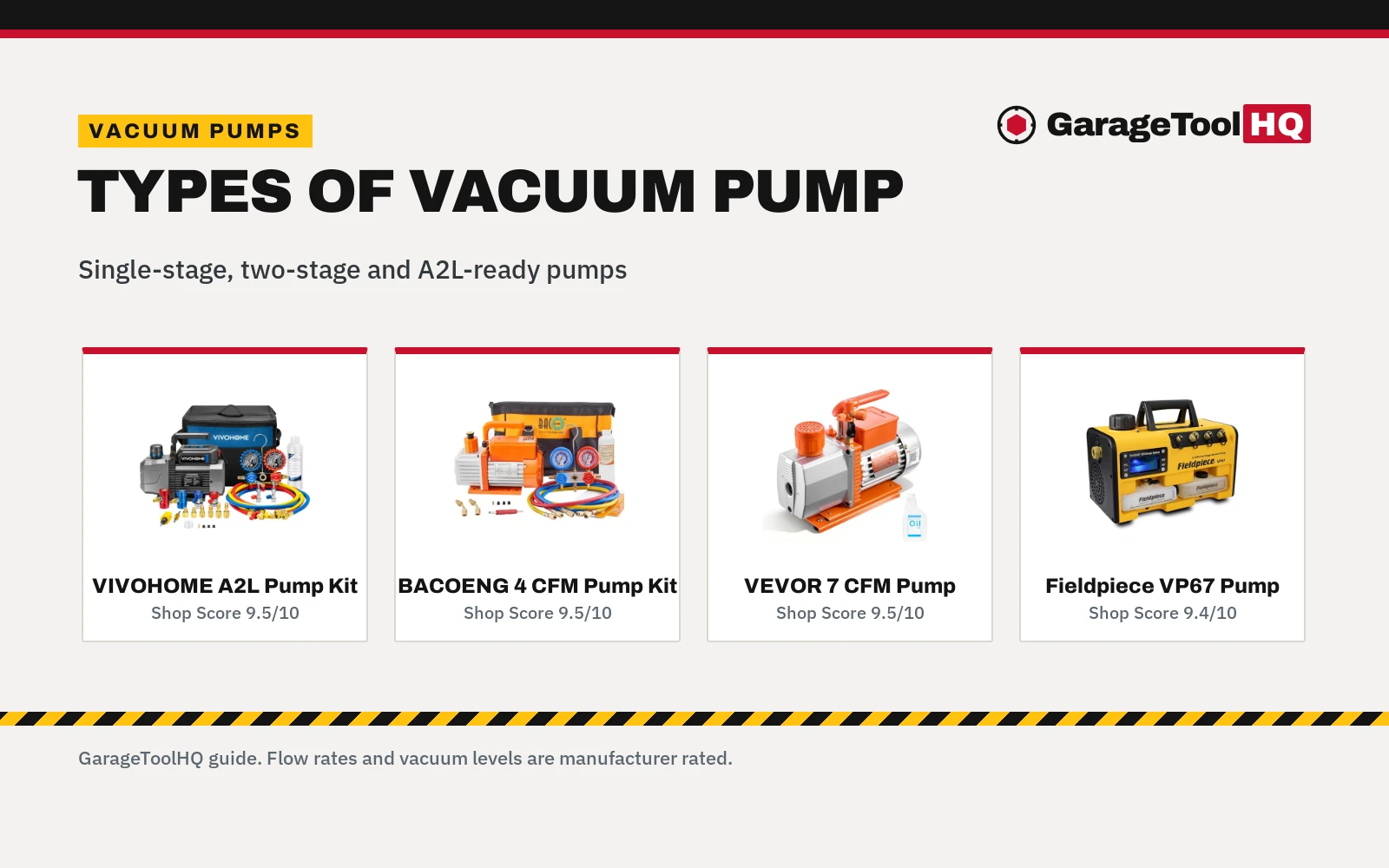
When a replacement is the call, match the new pump to the work: flow and maximum vacuum are the figures that matter, along with the supply the pump runs on. A ScitoLAB pump (on Amazon) lists 50 L/Min and -85Kpa on 110V at 180W, but it is an oilless lab pump, so take its ratings as an example of the figures to compare, not as the level an AC pump must reach. Compare single-stage and two-stage pumps in our single vs two stage AC vacuum pump comparison, and see the main types in our guide to types of vacuum pump for garage and auto use. For car AC work, the picks in our best AC vacuum pump for car roundup show what a garage pump looks like in practice.
Read the manual before first use, wear eye protection, keep the work area clear and ventilated, and stay within every stated rating. Read our Safety Disclaimer.
Keeping the pump in working order
Most pump repairs never happen when the pump gets basic care. On an oil-sealed pump, change the oil when it turns cloudy or dark, and always after a wet evacuation that pulled moisture through the pump. Keep the inlet capped between jobs so dust and damp air stay out of the chamber. Store the pump upright in a dry spot, with the cord wrapped loosely and the hoses hung rather than kinked. On an oil-sealed pump, wipe oil mist off the exhaust and the body after each job, and check the fittings for tightness before the next use. A gauge helps here too: the picks in our best low range vacuum gauge roundup show the vacuum the pump actually pulls.
FAQ: garage tools
Why does my vacuum pump run but not pull a vacuum?
On an oil-sealed pump, dirty or low oil is the usual cause, followed by an air leak at a hose, fitting, or seal. Change the oil to the type the maker names, check each joint, and keep the gas ballast valve open while moisture is being pulled out, closing it only for the final pull to a deep vacuum. If the pump still cannot pull a vacuum with its inlet capped, the fault is internal, and the pump needs a repair shop or a replacement.
How often should I change vacuum pump oil?
On an oil-sealed pump, change the oil when it turns cloudy, milky, or dark, and after any evacuation that pulled moisture through the pump. The maker names the oil type and the service interval in the manual.
Can I repair a vacuum pump motor myself?
No. A motor that hums and will not start, or a pump that trips a breaker, points to an electrical fault. Call a licensed electrician and do not open the motor housing. Oil, hoses, fittings, and seals are the parts a home mechanic can service, while worn vanes and other wear inside the pump are a repair-shop job.
Should I repair or replace a vacuum pump that leaks oil?
It depends on where the oil comes from. A leak at a fitting or a seal is a serviceable repair. A leak from a cracked pump body, or oil that keeps turning dark after fresh changes, points to wear inside the pump, and a replacement is the better call.
What size vacuum pump do I need for car AC work?
Match flow and maximum vacuum to the work, and match the supply to the garage. A ScitoLAB pump lists 50 L/Min and -85Kpa on 110V at 180W, but it is an oilless lab pump, so take its ratings as an example of the figures to compare, not as the level an AC pump must reach. Our guide to types of vacuum pump for garage and auto use explains the choice in more depth.
Related: types of vacuum pump for garage and auto use, best vacuum pump oil for AC machines, the single vs two stage AC vacuum pump comparison, our engine and shop equipment hub and the best AC vacuum pump for car.