Hardwired vs Battery Dash Cam: Which One Should You Buy?
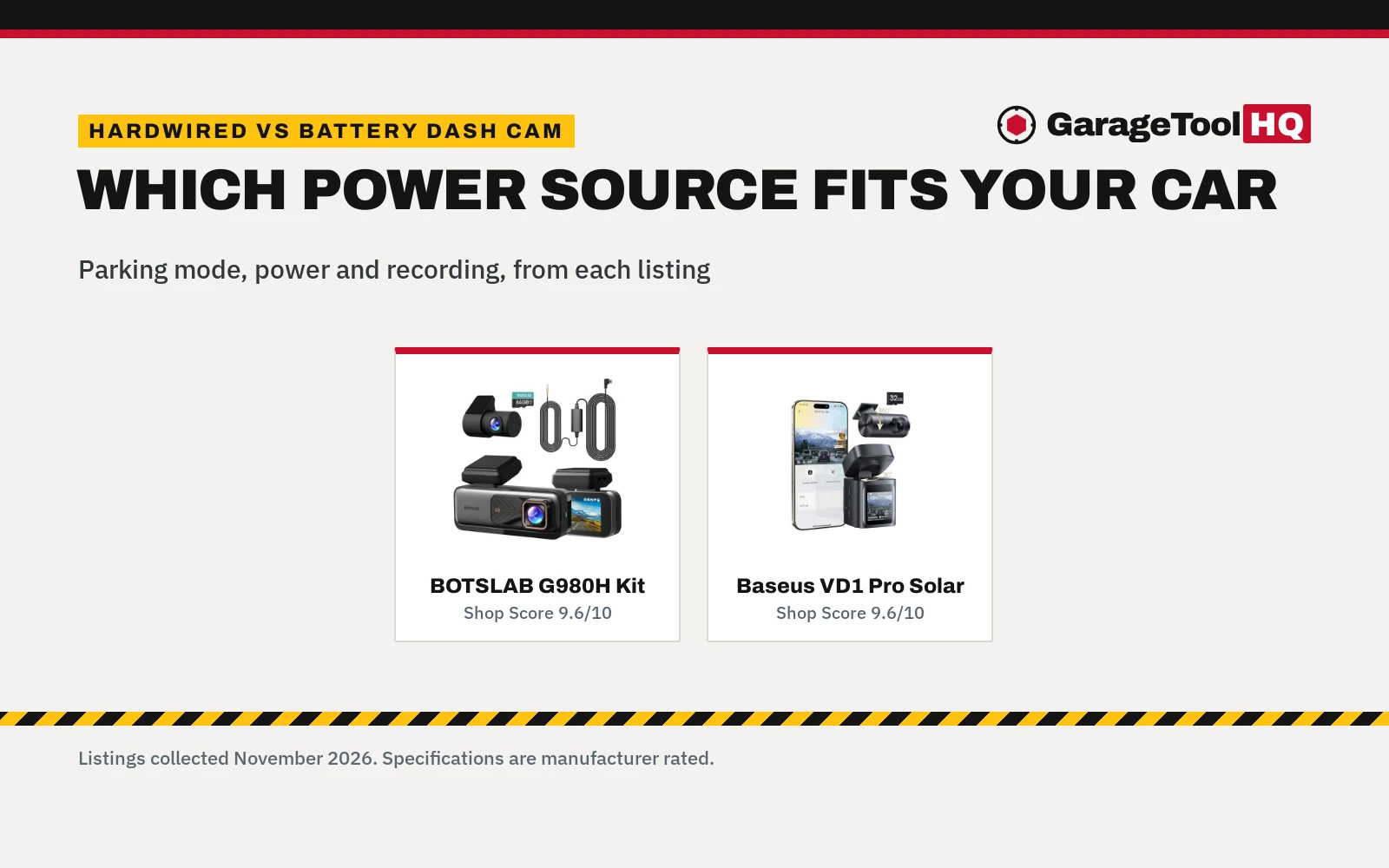
A hardwired 4K dual dash cam with 24/7 parking mode against a solar battery 4K camera with 14 days of parking cover.

On this page
Top picks at a glance
As an Amazon Associate I earn from qualifying purchases.
- 1
 BOTSLAB 4k Dash Cam Front and Rear9.6/10View on Amazon
- 2
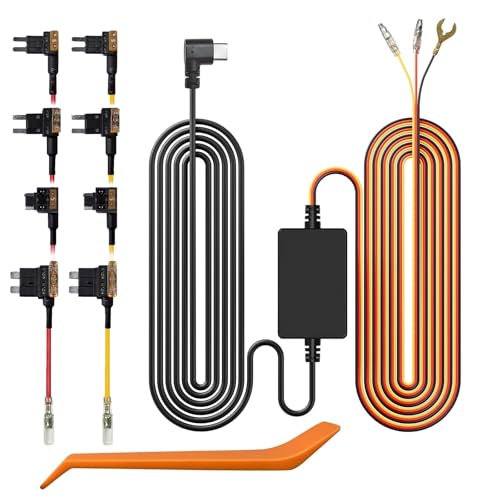 WOLFBOX 4A USB C Dash Cam Hardwire Kit 11.48ft Total9.6/10View on Amazon
- 3
 Baseus VD1 Pro Solar Dash Cam Front and Rear9.6/10View on Amazon
- 4
 Dash Cam Front and Rear InsideView on Amazon
- 5
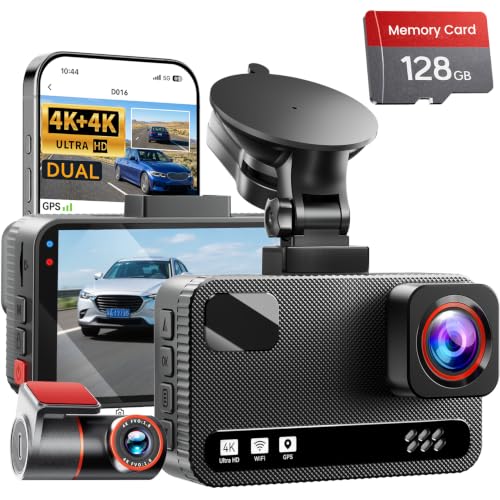 4K+4K Dual Dash Cam Front and RearView on Amazon
- 6
 IIWEY N5 4 Channel Dash Cam for CarsView on Amazon
- 7
 BOTSLAB G300H Plus 4K Dual Dash Cam Front and RearView on Amazon
- 8
 BOTSLAB G980H 4K STARVIS Dash Cam Front and RearView on Amazon
- 9
 4 Channel 360° Dash Cam Front and Rear InsideView on Amazon
Verdict: Choose a hardwired dash cam if you want parking recording around the clock, as the BOTSLAB example offers with its hardwired kit in the box, and you are happy to wire it to the car. Choose a battery dash cam if you want parking cover without wiring, with solar and a built-in battery topping up the charge, and you can live with the event-only parking recording the Baseus example offers.
A dash cam only helps if it is recording when something happens, and that comes down to power. A hardwired vs battery dash cam choice decides whether the camera draws power from the car or from its own battery and solar panel between drives. This comparison puts an example of each side by side, then walks through power, parking mode, recording and warranty.
GarageToolHQ earns a commission when you buy through links on this page, at no extra cost to you. Read the affiliate disclosure.
BOTSLAB 4k Dash Cam Front and Rear
A 4K front and 2K rear dash cam with a hardwired kit, 24/7 parking mode, ADAS and a free 64GB card.
Pros
- 4K front and 2K rear cameras with an IMX415 sensor
- 24/7 parking mode with the hardwired kit included
- ADAS with pedestrian collision, lane deviation and fatigue warnings
- 5G/2.4G WiFi, GPS and a free 64GB card
Cons
- 1 year warranty, shorter than the 2 year term on the battery example
- Needs a hardwired install; no battery-only parking mode is stated
- No weight is stated in the listing
- No stated field of view for the rear camera beyond the 360° swivel
Baseus VD1 Pro Solar Dash Cam Front and Rear
A 4K front and 1080P rear dash cam with solar and a built-in battery, up to 14 days of parking cover and a 32GB card.
Pros
- Solar and built-in lithium battery give up to 14 days of parking cover
- 4K front and 1080P rear with an IMX335 STARVIS sensor
- 5GHz WiFi 6, GPS, voice control and a 32GB card included
- No hardwire kit needed for parking protection
Cons
- Parking mode records a 30-second clip on collision only, not continuously
- Continuous driving recording needs the included cable to car power
- Rear camera needs a wired connection
- No hardwired kit is included for continuous parking recording
Other tools worth a look
 Dash Cam Front and Rear InsideCheck price on Amazon
 4K+4K Dual Dash Cam Front and RearCheck price on Amazon
 IIWEY N5 4 Channel Dash Cam for CarsCheck price on Amazon
 BOTSLAB G300H Plus 4K Dual Dash Cam Front and RearCheck price on Amazon
 BOTSLAB G980H 4K STARVIS Dash Cam Front and RearCheck price on Amazon
 4 Channel 360° Dash Cam Front and Rear InsideCheck price on Amazon
Side by side: hardwired vs battery dash cam
| Hardwired | Battery | Notes | |
|---|---|---|---|
| Power source | Hardwired kit included | Solar and built-in lithium battery | The BOTSLAB example runs off the car; solar tops up the Baseus battery |
| Front camera | 4K, IMX415 sensor | 4K UHD HDR, IMX335 STARVIS sensor | Both state 4K up front |
| Rear camera | 2K, swivels 360° | 1080P | The hardwired example states the higher rear figure |
| Parking mode | 24/7 parking mode, records when the car is off | Up to 14 days, 30-second clip on collision only | The BOTSLAB example records around the clock; the Baseus example records events only |
| Field of view | 170° ultra wide | 140° front, 120° rear | The BOTSLAB listing states one 170° figure; the Baseus listing gives 140° front and 120° rear |
| WiFi | 5G/2.4G WiFi | 5GHz WiFi 6 | Both state 5GHz WiFi |
| GPS | Built-in GPS | Built-in GPS | Both state GPS |
| Card included | Free 64GB card | 32GB card included | The hardwired example states the larger card |
| Warranty | 1 year | 2 year | The battery example states the longer term |
Every rating comes from the brand’s listing and is not a shop test (gathered 12 November 2026).
How each side gets power
A hardwired dash cam wires into the car electrical system, and the BOTSLAB example ships the hardwired kit in the box. A battery dash cam carries its own power: the Baseus example runs on a built-in lithium battery topped up by its Solar Sync System, and it needs no hardwire kit. The trade-off sits in what each does while parked, which the next section covers.
Parking mode
The BOTSLAB example records around the clock in parking mode, even when the engine is off, and keeps recording after the car is turned off. The Baseus example gives up to 14 days of parking protection, but it records a 30-second clip only when a collision is detected, and it enters low-power standby the rest of the time. The BOTSLAB example records around the clock while parked; the Baseus example saves power and records events only.
Recording while driving
Both examples are front and rear cameras. The BOTSLAB example records 4K up front and 2K at the rear, with a 170° ultra-wide view and a rear camera that swivels 360°. The Baseus example records 4K up front and 1080P at the rear, with 140° front and 120° rear lenses, and its front and rear cameras record simultaneously once connected. Solar and battery power support parking protection only on the Baseus example: continuous recording while driving needs the included cable to the car power supply, and the rear camera also needs a wired connection.
Night vision and driver aids
The BOTSLAB example pairs WDR with night vision and an ADAS system driven by a 1.5TOPS AI NPU chip, warning of pedestrian collision, front vehicle movement, lane deviation and a vehicle too close, plus fatigue monitoring. The Baseus example uses an IMX335 STARVIS sensor with a 6-layer glass lens and an f/1.6 aperture for low-light driving. Only the hardwired example states driver aids; only the battery example states a lens aperture.
WiFi, GPS and cards
Both examples state GPS and WiFi. The BOTSLAB example lists 5G/2.4G WiFi and a free 64GB card. The Baseus example lists 5GHz WiFi 6, English voice control and a 32GB card included. The Baseus app view works only when the phone is close to the car and connected to the dash cam WiFi.
Choose hardwired if
- You want 24/7 parking recording, as the BOTSLAB example offers, not event clips only
- You want the hardwired kit in the box
- You want ADAS warnings while driving
- You want the larger 64GB card included
Choose battery if
- You want parking cover without wiring the car
- You park for days at a time and want up to 14 days of cover
- You want solar top-ups and a built-in battery
- You want voice control and 5GHz WiFi 6
Example dash cams
For more choices, see the best dash cam hardwire kit, and for parking mode questions, the dash cam parking mode vs without comparison.
Use rated jack stands on solid ground, wear eye protection with power and air tools, keep fuel-burning equipment out of a closed garage, and follow the manual for every tool. Read our Safety Disclaimer.
Garage Fit Check
- Power: the BOTSLAB example needs a hardwired kit install, while the Baseus example needs no hardwire kit and tops up from solar.
- Storage: the BOTSLAB example ships a free 64GB card, and the Baseus example ships a 32GB card; format the microSD card in the dash cam before first use, per the Baseus listing.
- Space: the BOTSLAB example measures 5.511811018 x 4.330708657 x 2.755905509 inches, and the Baseus example measures 7.91 x 6.73 x 6.34 inches, so check the mount fits the windshield space.
- Wiring: the Baseus rear camera needs a wired connection, and continuous recording while driving needs the included cable to the car power supply.
FAQ: garage tools
Does the hardwired example record when the car is off?
Yes, per the BOTSLAB listing: 24/7 parking mode keeps working even when the engine is off, and the dash cam keeps recording when the car is turned off.
How long does the battery example last while parked?
The Baseus listing states up to 14 days of parking mode protection, with a 30-second clip recorded only when a collision is detected.
Can the battery example record continuously while driving?
Yes, but only with car power: the Baseus listing says continuous recording while driving requires connection to the car power supply using the included cable.
Which dash cam has the better rear camera?
On stated figures, the BOTSLAB example: 2K rear against the Baseus 1080P rear, with a rear camera that swivels 360°.
Do these dash cams include a memory card?
Yes. The BOTSLAB example ships a free 64GB card, and the Baseus example ships a 32GB card.
Related: the best dash cam hardwire kit, the dash cam parking mode vs without, the best front and rear dash cam 4k, the best 4k dash cam with wifi, and the dash cam types.