Portable Power Station vs Gas Generator: Which One Should You Buy?
A battery pack and a fuel-burning generator answer the same outage in different ways, and the right side depends on load size, runtime and where the unit will run.

On this page
Top picks at a glance
As an Amazon Associate I earn from qualifying purchases.
- 1
 Schumacher Electric Car Battery Jump Starter & Power Station9.7/10View on Amazon
- 2
 Westinghouse 14500 Peak Watt Tri-Fuel Home Backup Portable9.7/10View on Amazon
- 3
 Jackery Explorer 1000 v2 Portable Power Station9.6/10View on Amazon
- 4
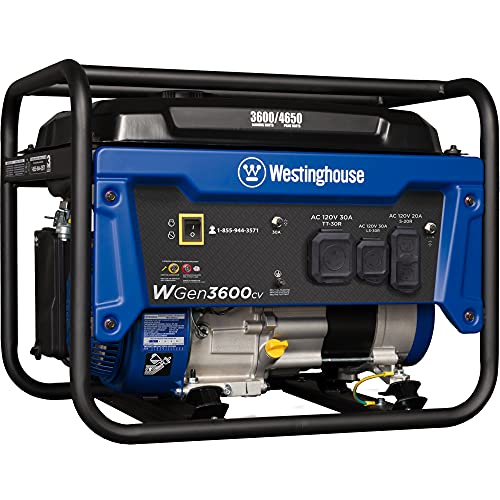 Westinghouse 4650 Peak Watt Portable GeneratorView on Amazon
- 5
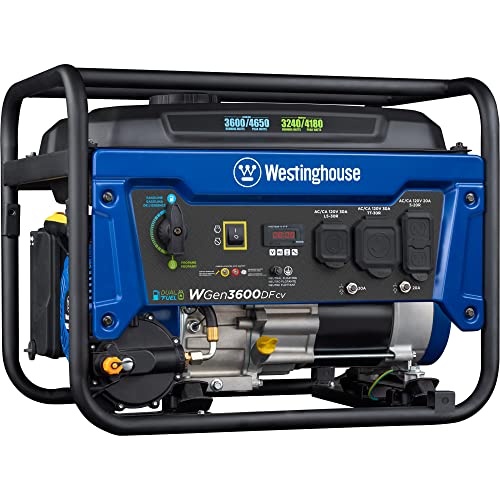 Westinghouse 4650 Peak Watt Dual Fuel Portable GeneratorView on Amazon
- 6
 Honda EU2200i 2200 Watt Inverter GeneratorView on Amazon
- 7
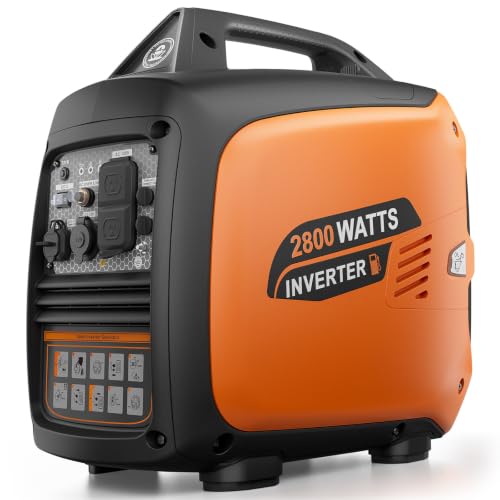 2800W Portable Inverter GeneratorView on Amazon
- 8
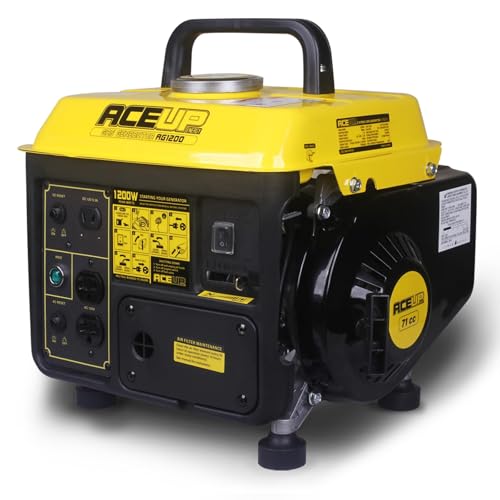 Aceup Energy 1View on Amazon
- 9
 POXURIO 2450-Watt Portable Inverter Generator for Home UseView on Amazon
Verdict: In this portable power station vs gas generator comparison, choose a portable power station if the loads are small, the unit will run indoors or close by, and recharging from a wall outlet, a car or solar fits the routine. Choose a gas generator if the loads are large, the runtime must stretch through a long outage, and the unit can run outdoors with fuel on hand.
A storm outage turns the garage into the backup power room: phones and laptops need charging, a mini-fridge needs to keep running, and the workbench light matters more than usual. Both sides answer that outage, but they answer it in different ways, and the choice turns on load size, runtime, noise and where the unit will run. This guide to portable power station vs gas generator lays out those differences, then shows examples from the listings, from each side.
GarageToolHQ earns a commission when you buy through links on this page, at no extra cost to you.
Westinghouse 14500 Peak Watt Tri-Fuel Home Backup
A tri-fuel home backup generator with 14500 peak watts on gasoline and a 9.5-gallon gas tank.
Pros
- 14500 peak watts on gasoline for large loads
- Runs on gasoline, propane or natural gas
- Up to 19 hours at 25% load
- 50A and 30A outlets for transfer switch setups
Cons
- 230.0 Pounds, so it needs a planned spot
- Transfer switch is sold separately
- No noise figure is stated
- No solar recharging option is stated

BLUETTI Elite 30 V2 Portable Power Station 288Wh
A 288Wh power station with 600W output, 1500W in Power Lifting Mode and 10ms UPS switching.
Pros
- 600W output with 1500W in Power Lifting Mode
- 288Wh capacity for camping, road trips and home emergencies
- 10ms UPS switching for CPAP machines, laptops and routers
- 0-80% in 45 mins on AC wall charge
Cons
- Weight differs: bullets state 9.4 lbs, spec table states 9.5 Pounds
- No safety certification or protection list is stated
- Solar panel is named as a match, not included
- Standby power figures show draw even at rest, per the listing

Oxseryn Power Equipment 4400 Watts Inverter
A gas powered inverter generator with 4400 peak watts, ECO mode and a 2 gallon fuel tank.
Pros
- 4400 peak watts and 3400 running watts for RV camping and home backup
- Up to 14 hours at 25% load with ECO mode from a 2 gallon fuel tank
- 2 120V AC ports, 1 12V DC port and 1 RV port
- Under 72 dBA from 23FT away, with a fuel gauge on the tank
Cons
- 56lbs, heavier than the battery examples in this guide
- No CO sensor or low-oil shutdown is stated
- No tri-fuel option is stated, unlike the Westinghouse example
- No transfer switch readiness is stated

Daran Portable Power Station 89.6Wh LiFePO4
A pocket-size 89.6Wh LiFePO4 power station with 100W output, 7 ports and silent, fanless operation.
Pros
- Only 2.54 pounds at about smartphone size
- 7 output ports, including AC, USB-C, USB-A and DC5521
- Silent, fanless operation with a 4-level LED flashlight
- LiFePO4 battery with 3500+ life cycles and 12 BMS protections
Cons
- Only suitable for devices within 100W
- Solar panel and cable are not included
- Spec table model YOUYO R100 differs from the title brand
- 89.6Wh capacity, below the 288Wh BLUETTI example
Other tools worth a look
 Westinghouse 4650 Peak Watt Portable GeneratorCheck price on Amazon
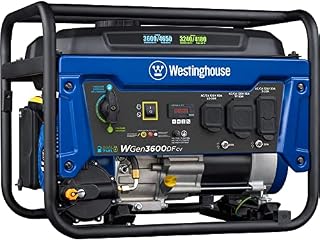 Westinghouse 4650 Peak Watt Dual Fuel Portable GeneratorCheck price on Amazon
 Honda EU2200i 2200 Watt Inverter GeneratorCheck price on Amazon
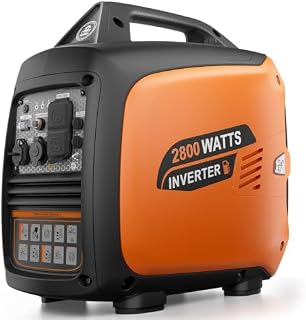 2800W Portable Inverter GeneratorCheck price on Amazon
 Aceup Energy 1Check price on Amazon
 POXURIO 2450-Watt Portable Inverter Generator for Home UseCheck price on Amazon
Side by side: portable power station vs gas generator
| Model | Shop Score | Output | Capacity / Fuel | Weight |
|---|---|---|---|---|
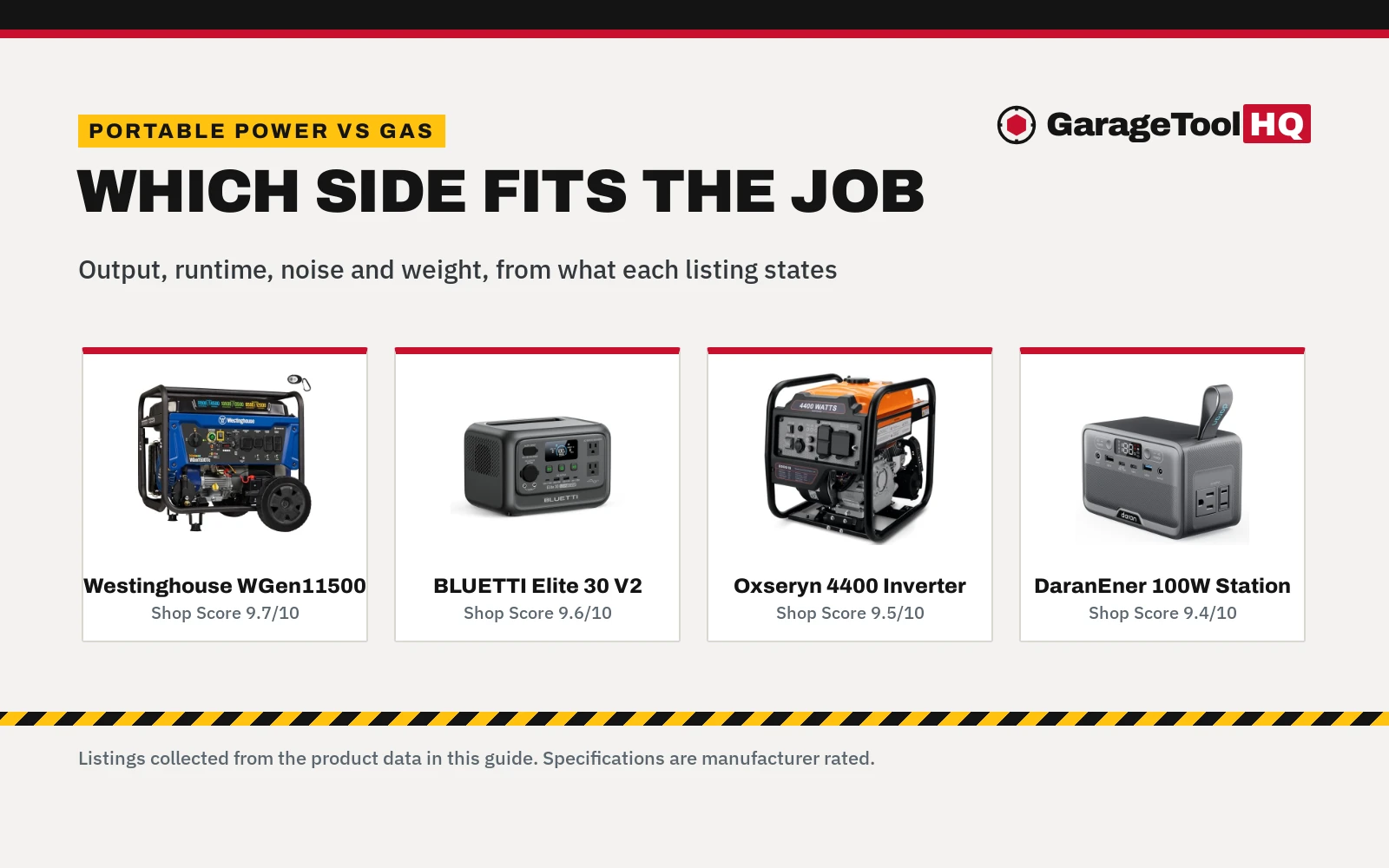
| Westinghouse WGen11500 | 9.7/10 | 14500 peak watts | 9.5-gallon gas tank | 230.0 Pounds |
| BLUETTI Elite 30 V2 | 9.6/10 | 600W, 1500W surge | 288Wh | 9.4 lbs |
| Oxseryn 4400 Inverter | 9.5/10 | 4400 peak watts | 2 gallon fuel tank | 56lbs |
| DaranEner 100W Station | 9.4/10 | 100W, 200W peak | 89.6Wh | 2.54 pounds |
We copy each listing’s rated specs exactly as the manufacturer gives them; as of 3 November 2026.
How each side makes power
A portable power station stores energy in a battery pack and delivers it through AC and DC outlets. The BLUETTI example stores 288Wh and delivers 600W continuous, with a Power Lifting Mode for 1500W, while the DaranEner example stores 89.6Wh and delivers 100W, with 200W peak. Both recharge without fuel, from AC wall charge, car charging or solar. A gas generator burns fuel in an engine instead. The Oxseryn example is gas powered with 4400 peak watts and 3400 running watts, and the Westinghouse example runs on gasoline, propane or natural gas, delivering 11500 running watts and 14500 peak watts on gasoline.
Runtime and refueling
Runtime figures here are per listing and do not transfer across examples. The Oxseryn example runs for up to 14 hours at 25% load with ECO mode from a 2 gallon fuel tank with a fuel gauge. The Westinghouse example runs up to 19 hours at 25% load on a 9.5-gallon gas tank. The battery examples state recharge times: the BLUETTI example charges from 0-80% in 45 mins and from 0-100% in 70 mins on AC wall charge, and the DaranEner example charges from 0-80% in 1.5hrs.
Noise and where it can run
Noise figures are uneven across these listings. The DaranEner example describes silent, fanless operation, and the BLUETTI example describes a smart cooling system without a stated noise figure. The Oxseryn example states under 72 dBA from 23FT away. The Westinghouse example states no noise figure, but it does state a CO sensor that shuts down the generator when elevated carbon monoxide is detected, plus automatic low-oil shutdown. Fuel engines must run outdoors with ventilation, never in a closed garage, while a battery pack can run indoors since it burns no fuel.
Outlets and loads
Outlets decide which loads each example can carry. The DaranEner example gives 7 output ports, including 2 AC sockets at 100W, 2 USB-C ports at 45W and 15W, 2 USB-A ports at 18W and 15W, and DC5521 ports at 60W, and the listing states it is only suitable for powering devices within 100W. The BLUETTI example gives 600W continuous and 1500W in Power Lifting Mode, and its listing names lights, fridges, laptops, CPAP machines and a small kettle or toaster as loads. The Oxseryn example includes 2 120V AC ports, 1 12V DC port and 1 RV port. The Westinghouse example gives 50A and 30A outlets for a transfer switch setup, with the switch sold separately.
Weight and portability
Weight figures here describe one example each, not a whole side. The DaranEner example weighs only 2.54 pounds and is about the size of a smartphone at 6.5 by 3.3 by 4 inches, with a soft handle for backpack carry. The BLUETTI example weighs 9.4 lbs in its bullets, a carry weight. The Oxseryn example weighs 56lbs and is described as easy to move around. The Westinghouse example weighs 230.0 Pounds, a home backup unit that pairs with a transfer switch, not a carry unit.
Choose a portable power station if
- Loads stay within the stated watts
- The unit must run indoors without fuel or exhaust
- Recharging from a wall outlet, a car or solar fits
- Silent running matters overnight, as on the fanless example
Choose a gas generator if
- Loads are large, such as home backup
- Runtime must stretch for many hours
- The unit can run outdoors with fuel on hand
- Fuel choice matters, as on the tri-fuel example
Example units
For a related comparison, see the power station vs jump starter guide.
Lead-acid batteries can release hydrogen while charging, so charge in a ventilated space away from sparks and flames, connect positive first and negative last, set the charger to the battery type (flooded, AGM, gel, lithium), and wear eye protection. Read our Safety Disclaimer.
Garage Fit Check
- Space and moving: the DaranEner example fits a backpack at 2.54 pounds, while the Westinghouse example weighs 230.0 Pounds, so check the storage spot and the path to the running spot.
- Power match: the DaranEner example is only suitable for devices within 100W, while the Westinghouse example delivers 11500 running watts on gasoline, so list the loads before choosing.
- Outlets and switching: the Westinghouse example pairs with a WATS200 transfer switch sold separately, and the Oxseryn example includes an RV port.
- Ventilation: never run a gas generator in a closed garage, and check the CO sensor and low-oil shutdown stated on the Westinghouse example.
FAQ: garage tools
Is a portable power station a generator?
Not in the fuel sense. A portable power station stores energy in a battery pack and delivers it through AC and DC outlets, recharging from a wall outlet, a car or solar. A gas generator burns fuel in an engine to make power as it runs.
How does a portable power station work?
It holds charge in a battery pack, such as the 288Wh pack in the BLUETTI example or the 89.6Wh LiFePO4 pack in the DaranEner example, and delivers it through outlets. Recharging happens through AC wall charge, car charging or solar panel charging, depending on the example.
Are portable power stations safe?
The DaranEner example states an advanced BMS with 12 safety protections, monitoring voltage, current and temperature, plus a LiFePO4 battery with 3500+ life cycles. The BLUETTI example states no safety certification or protection list.
What is the best portable power station among these examples?
The BLUETTI example gives 600W continuous with 1500W in Power Lifting Mode, against 100W with 200W peak from the DaranEner example, so the BLUETTI example carries larger loads, while the DaranEner example suits small devices within 100W.
Related: the power station vs jump starter comparison and the diagnostics and electrical hub.