What Is a Two Stage Air Compressor?
How a two-stage air compressor works in two steps to deliver higher tank pressure for demanding air tools, how it differs from single-stage, and what to look for.

On this page
Top picks at a glance
As an Amazon Associate we earn from qualifying purchases.
- 1
 Campbell Hausfeld 80-Gallon Vertical Electric Air Compressor9.7/10View on Amazon
- 2
 Ingersoll Rand 2340L5-V 5 HP Type 30 Two-Stage Air Compressor9.6/10View on Amazon
- 3
 Ingersoll Rand SS3L3 Single Stage Air Compressor9.7/10View on Amazon
- 4
 Ingersoll Rand P1.5IU-A9 2 HP Single-Stage Air CompressorView on Amazon
- 5
 Ingersoll Rand 2475N7.5 7.5 HP Two-Stage Air CompressorView on Amazon
- 6
 VEVOR Air Compressor PumpView on Amazon
- 7
 CAMPBELL HAUSFELD 30 Gallon Horizontal Air CompressorView on Amazon
- 8
 Metabo HPT Portable Pancake Air CompressorView on Amazon
- 9
 Makita MAC2400 2.5 HP* Big Bore™ Air CompressorView on Amazon
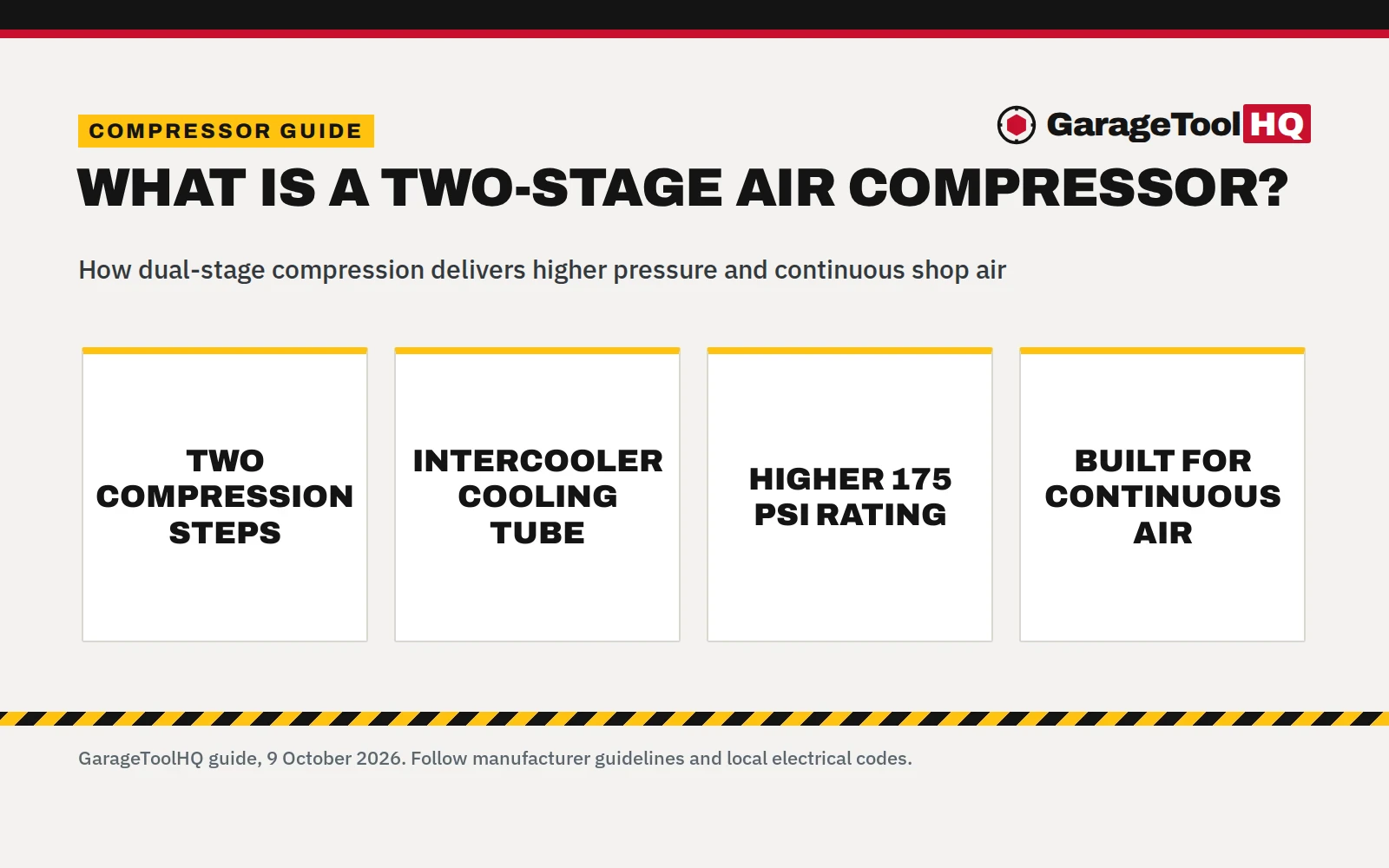
What is a two stage air compressor? A two stage air compressor is a reciprocating compressor that compresses air in two sequential stages rather than a single stroke. In the first stage, ambient air is compressed to an intermediate pressure and routed through an intercooler tube before entering a high-pressure stage that completes compression to tank pressure. This multi-stage process achieves higher maximum pressure and sustained airflow for demanding shop air tools.
More options to compare
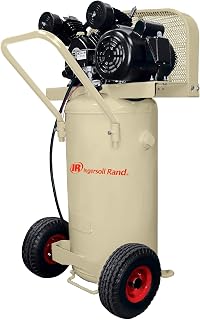 Ingersoll Rand P1.5IU-A9 2 HP Single-Stage Air CompressorCheck price on Amazon
 Ingersoll Rand 2475N7.5 7.5 HP Two-Stage Air CompressorCheck price on Amazon
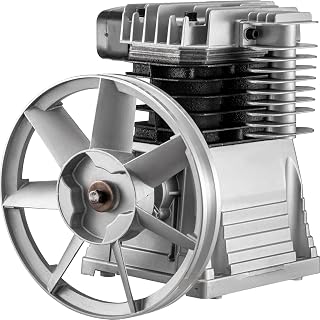 VEVOR Air Compressor PumpCheck price on Amazon
 CAMPBELL HAUSFELD 30 Gallon Horizontal Air CompressorCheck price on Amazon
 Metabo HPT Portable Pancake Air CompressorCheck price on Amazon
 Makita MAC2400 2.5 HP* Big Bore™ Air CompressorCheck price on Amazon
GarageToolHQ earns a commission when you buy through links on our product pages, at no extra cost to you. Read our affiliate disclosure.
Below: how two-stage compression works mechanically, how two-stage models compare with single-stage units, key specifications from published shop models, and a workshop setup checklist.
What is a two stage air compressor? How two-stage compression works
Reciprocating compressors use pistons driven by a crankshaft to compress air into a storage tank. The difference between single-stage and two-stage designs lies in how many times air is compressed before reaching the receiver.
In a single-stage compressor, air is compressed to final tank pressure in one stroke, which generates high heat and limits efficiency. A two-stage compressor divides compression across two steps:
- Low-pressure intake compression. Atmospheric air enters through an intake filter into a low-pressure cylinder, compressing to an intermediate pressure.
- Intercooler heat dissipation. Warm intermediate air passes through a finned metal intercooler tube, where cooling airflow from the pump flywheel sheds heat and increases air density.
- High-pressure final compression. Cooled air enters a smaller high-pressure cylinder, which compresses it to final storage pressure without excessive heat buildup.
- ASME tank storage. Fully compressed air discharges through a check valve into an ASME-certified receiver tank.
Single-stage vs two-stage air compressors: key differences
The compression method affects maximum tank pressure, air volume delivery, and electrical demands in a workshop.
| Feature | Single-Stage Air Compressor | Two-Stage Air Compressor |
|---|---|---|
| Compression method | Air is compressed to tank pressure in a single stroke | Air is compressed across low-pressure and high-pressure stages with intercooling |
| Typical maximum pressure | 125 PSI to 135 psi on portable units; up to 175 PSI on select stationary models | 175 PSI maximum pressure standard on listed stationary shop units |
| Air delivery at 90 PSI | 1.4 CFM on small portables to 11.5 SCFM on 60-gallon models | 7.6 SCFM to 24.3 CFM depending on motor horsepower and pump displacement |
| Heat management | Higher cylinder temperatures when operating at elevated discharge pressures | Finned intercooler dissipates heat between stages before final compression |
| Duty cycle rating | Intermittent on utility models; 100% continuous duty on select cast-iron pumps (Ingersoll Rand) | 100% continuous duty on listed industrial models (Ingersoll Rand) |
| Stated service life | Not stated on listed portable models; 2,000 hours between lubricant changes with synthetic oil | Up to 10,000 hours (Campbell Hausfeld B-10 rating) to 15,000 hours (Ingersoll Rand) on stated models |
| Electrical requirements | 110 volts or 115 volts on portables; 208/230V on large stationary models | Dedicated 230V or 240V electrical supply on listed shop models |
| Common tank capacities | 2 gallons to 20-gallon portable tanks; 60 gallons on stationary units | 60-gallon to 80-gallon vertical ASME receiver tanks |
Maximum tank pressure marks the clearest difference in daily use. Single-stage compressors typically top out between 125 PSI and 135 psi, such as the portable RyanTek oil-free model (125 PSI Max) and the Ingersoll Rand P1.5IU-A9 (5.2 CFM at 90 PSI, 135 psi on a 20-gallon tank). While DEWALT lists a stationary single-stage 60-gallon model (DXCM602) reaching 175 PSI Max with 11.5 SCFM at 90 PSI, single-stage pumps run hotter at high pressures. In contrast, two-stage compressors routinely store air at 175 PSI, providing a larger buffer of usable air at 90 PSI before the pressure switch restarts the motor.
How to choose and set up a two-stage air compressor: shop checklist
Walk through this checklist before installing a two-stage compressor in your workshop:
- Calculate tool air demand. Match the highest CFM requirement among your tools at 90 PSI. Continuous tools like sanders and paint guns require steady airflow exceeding pump delivery.
- Size the receiver tank. Stationary units commonly feature 60-gallon or 80-gallon vertical tanks. A 60-gallon tank preserves floor space, while an 80-gallon ASME tank provides extended reserve air for continuous operation.
- Plan dedicated electrical service. Heavy induction motors rated at 3.7 running HP, 5 HP, or 7.5 HP draw substantial current (such as 22A or 32 A) on 230V or 240V lines. Check sizing requirements and use a licensed electrician to install a dedicated circuit rather than attempting DIY wiring.
- Verify tank safety equipment. Ensure the tank carries ASME certification with an operational ASME safety relief valve and automatic pressure switch.
- Anchor on solid concrete. Published listings show 60-gallon models weighing 255 pounds at 77 inches tall, and 80-gallon models weighing from 326 pounds to 611 pounds at 66 to 70 inches tall. Bolt mounting feet to concrete using rubber isolation pads to dampen vibration.
- Establish lubrication and drainage routines. Monitor oil levels through the sight glass. Open the bottom drain valve after each session to purge tank condensation and prevent corrosion.
Heavy stationary compressors with 3.7 HP to 7.5 HP motors require dedicated 230V or 240V power lines. Always check electrical sizing requirements and use a licensed electrician rather than attempting DIY wiring.
Drain the tank after use so water does not rust it from the inside, never exceed the tool's rated pressure, wear eye protection, and run 240V units on the circuit the manual calls for. Do not run a gas engine compressor in a closed garage. Read our Safety Disclaimer.
Air delivery, CFM ratings, and demanding shop tools
Always compare air delivery measured as CFM or SCFM at 90 PSI, the standard operating pressure for shop tools. Published listings show distinct tiers:
- Campbell Hausfeld XC602100: Delivers 7.6 SCFM at 90 PSI and 6.9 SCFM at 175 PSI with a 3.7 running HP motor on 230V, rated for up to 10,000 hours of pump life based on B-10 bearing ratings on a 60-gallon tank.
- Campbell Hausfeld XC802100: Delivers 11.9 SCFM at 90 PSI and 11.3 SCFM at 175 PSI using a 5 HP motor on 230V drawing 22A on an 80-gallon ASME tank.
- DEWALT DXCMV5076055: Features a 5 HP motor on 230V delivering 13.5 SCFM at 175 PSI and 15.3 SCFM at 100 PSI with a 60-gallon tank at 65 dB.
- Ingersoll Rand 2340N5-V: Generates 14.3 CFM at 90 PSI and 175 PSI max pressure with a 5 HP motor on 230 volts on an 80-gallon ASME tank, rated for 100% continuous duty and over 15,000 hours of pump life.
- Ingersoll Rand 2475N7.5: Produces up to 24.3 CFM at 90 PSI with a 7.5 HP motor drawing 32 A on 230 volts on an 80-gallon tank with 100% continuous duty.
Intermittent tools like those in our guide to the best air impact wrench run smoothly on moderate air delivery. Continuous tools require steady volume: a single-stage pump delivering 5.2 CFM at 90 PSI forces frequent pauses, while a two-stage unit delivering 11.9 SCFM to 14.3 CFM at 90 PSI maintains line pressure. Sizing details appear in our guide on what size air compressor do I need for air tools.
Stationary installation, noise levels, and maintenance
Stationary two-stage compressors require floor planning. The Campbell Hausfeld XC602100 occupies a 23 x 23-inch footprint at 77 inches tall, while the 80-gallon XC802100 measures 26.5 x 29.5 inches at 66 inches tall. Weight requires consideration: units weigh 255 pounds, 326 pounds, 435 pounds, and up to 611 pounds.
Noise levels vary by design and motor size. The Campbell Hausfeld XC602100 and DEWALT DXCMV5076055 list 65 dB. Larger two-stage units list sound ratings of 84 db (Campbell Hausfeld XC802100) and 85 db (Ingersoll Rand 2340N5-V and 2475N7.5), while DEWALT lists its single-stage 60-gallon model at 87 db. Portable single-stage units range from 63 db on the RyanTek compressor to 80 db on the Ingersoll Rand P1.5IU-A9.
For lubrication, Ingersoll Rand states that All Season Select synthetic lubricant allows up to 2,000 hours between oil changeouts, performing four times longer than petroleum oils. Check oil via the sight glass, select oil from our review of the best air compressor oil, and consult our guide to air compressor maintenance for tank drain and filter care.
Frequently Asked Questions
What is a two stage air compressor?
A two stage air compressor is a reciprocating compressor that compresses air in two sequential steps. The low-pressure stage compresses intake air to an intermediate pressure, an intercooler tube sheds heat, and a high-pressure stage compresses the cooled air to final tank pressure, typically 175 PSI on stationary models.
What is the difference between a two-stage and a two-cylinder compressor?
A two-cylinder compressor refers to cylinder count, while two-stage refers to the compression process. A two-cylinder single-stage pump uses both pistons to compress intake air directly to the tank at identical pressure. A two-stage compressor compresses air sequentially across two distinct pressure stages with intercooling between them.
What is the best two stage air compressor size for a home garage?
A vertical 60-gallon two-stage compressor offers an efficient balance of airflow and floor space. For example, Campbell Hausfeld lists a 60-gallon model delivering 7.6 SCFM at 90 PSI with a 3.7 running HP motor, while DEWALT lists a 60-gallon model delivering 13.5 SCFM at 175 PSI with a 5 HP motor. Demanding shops benefit from an 80-gallon tank delivering 11.9 SCFM to 14.3 CFM at 90 PSI.
Why use a two-stage compressor to reach 175 PSI?
Compressing air creates heat. While select stationary single-stage models reach 175 PSI Max, compressing air to high pressure in one stroke generates high cylinder temperatures that stress components and degrade oil. Two-stage compression divides the workload and cools air between stages, ensuring reliable operation at 175 PSI.
Can a two-stage air compressor run on a standard 115V wall outlet?
Stationary two-stage compressors in published listings require dedicated 230V or 240V circuits to power heavy induction motors from 3.7 running HP to 7.5 HP drawing 22A to 32 A. While small single-stage compressors run on 110 volts or 115 volts, heavy two-stage units require dedicated wiring installed by a licensed electrician.
How often should you change the oil in a two-stage compressor?
Intervals depend on operating hours and oil type. For example, Ingersoll Rand states that its All Season Select synthetic lubricant allows up to 2,000 hours between changeouts, performing four times longer than petroleum oils. Check levels before operating through the sight glass, follow the pump manual, and drain tank moisture daily.
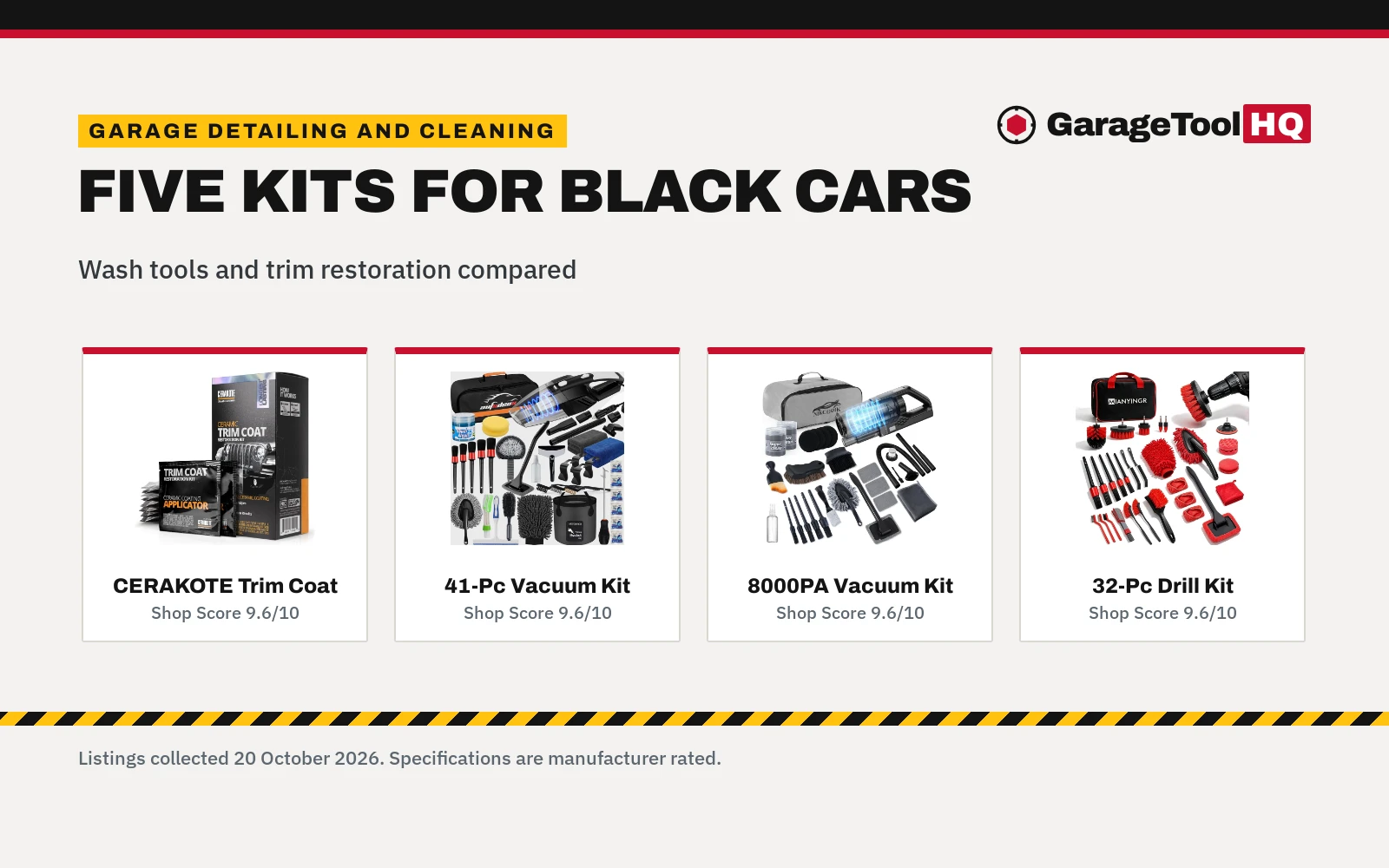
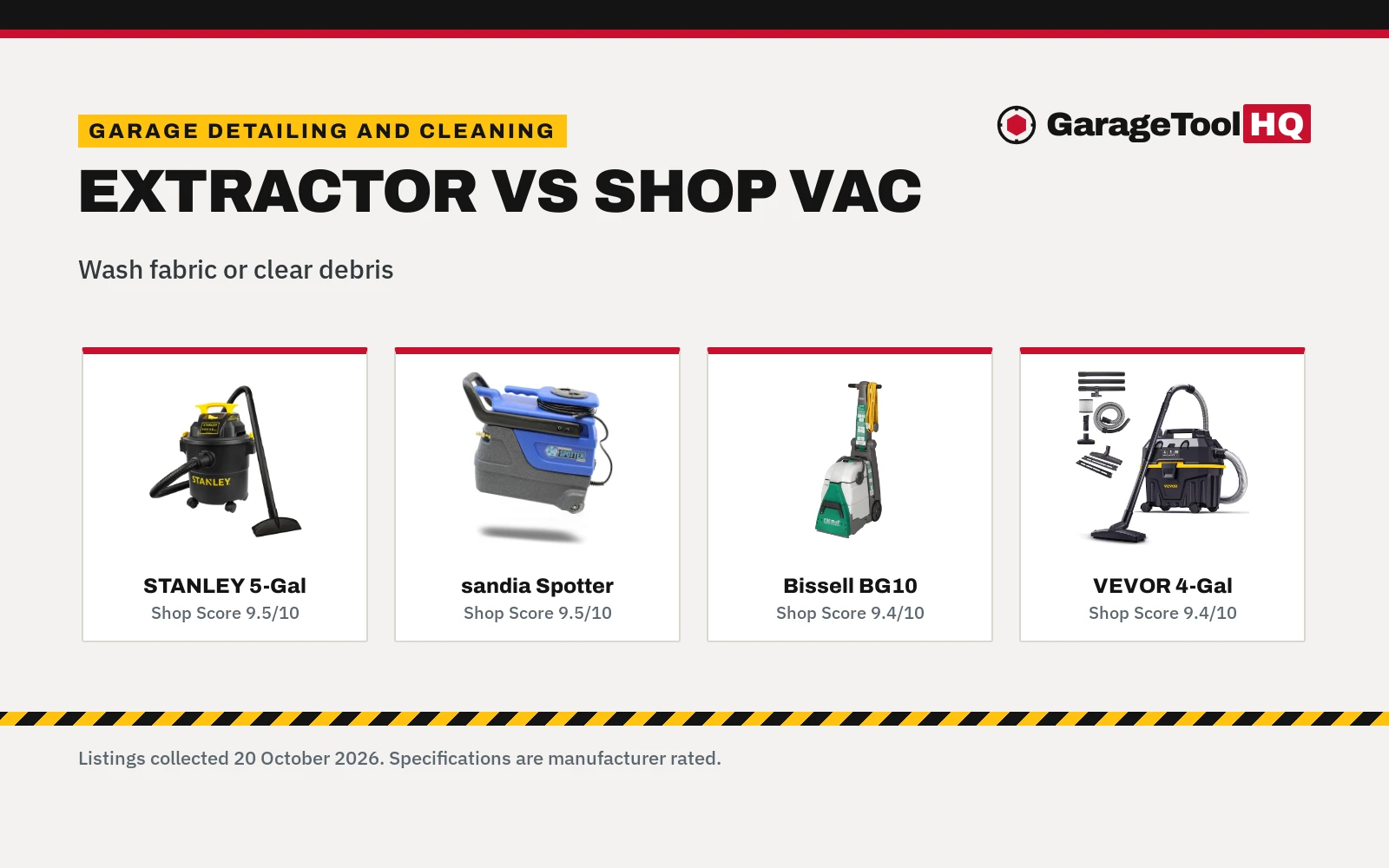
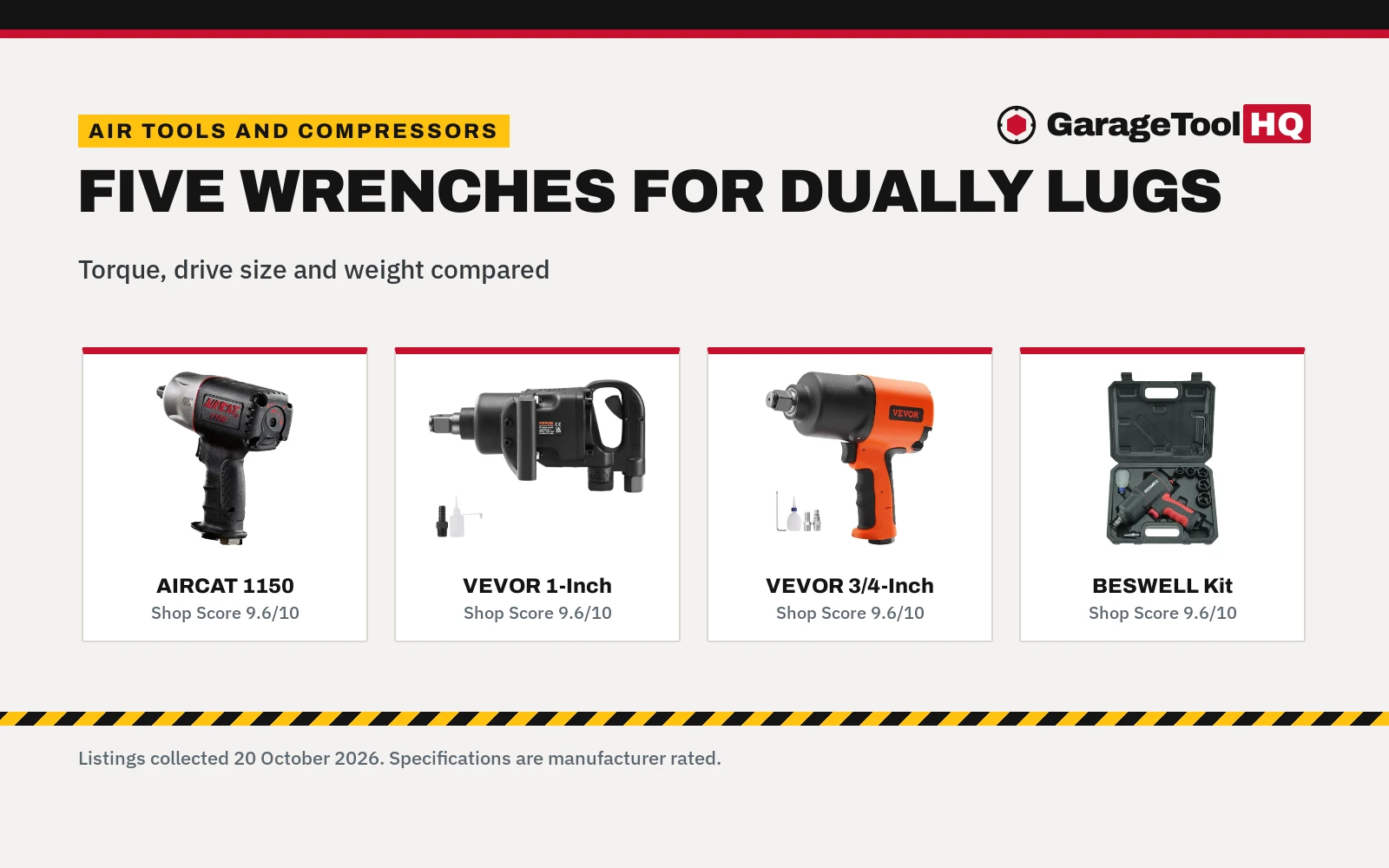
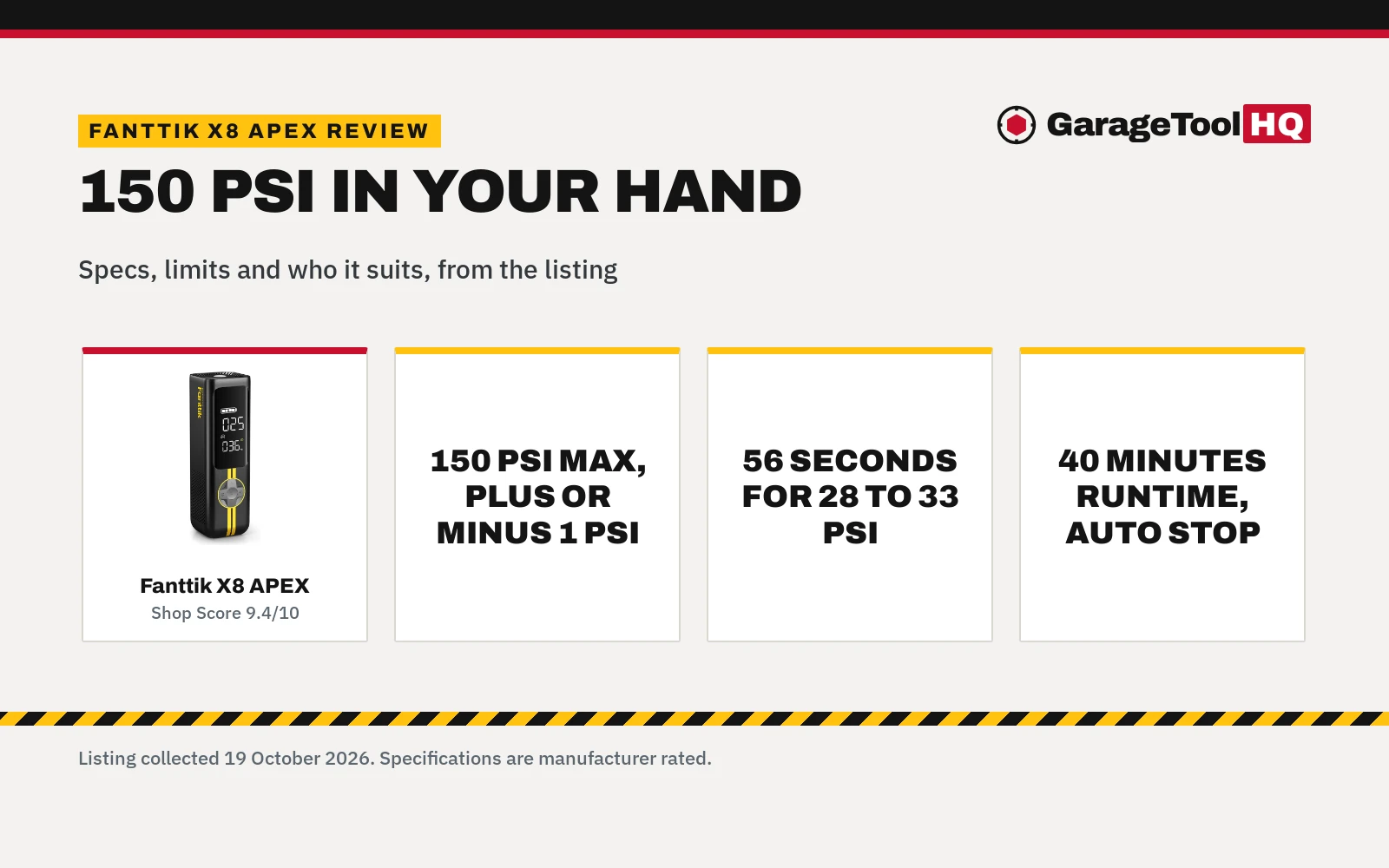
Related: our guide on how to choose an air compressor, what size air compressor you need for air tools, our guide to air compressor maintenance, the air compressors hub, and stationary air compressors. Also see our comparisons of the best air compressor for home garage and best air compressor oil. Also see our fanttik x8 apex review. Also see our best air impact wrench for dually trucks. Also see our best car detailing kit for black cars. Also see our carpet extractor vs shop vac.