Heat Gun vs Chemical Paint Stripper: Which One Should You Buy?
Heat gun vs chemical paint stripper compared by method, surface and job shape, with three chemical gels from broad coating removal to spot treatment.

On this page
Top picks at a glance
As an Amazon Associate I earn from qualifying purchases.
- 1
 Cordless Heat Gun Compatible with Dewalt 20v Battery9.7/10View on Amazon
- 2
 AcmyslaT Heat Gun9.7/10View on Amazon
- 3
 Wagner Spraytech HT1000 Kit Dual-Temperature Heat Gun with 39.6/10View on Amazon
- 4
 KLEAN-STRIP Aircraft Paint RemoverView on Amazon
- 5
 OSHARK Heat Gun for Vinyl Wrap/Window Tint/PPFView on Amazon
- 6
 Heat GunView on Amazon
- 7
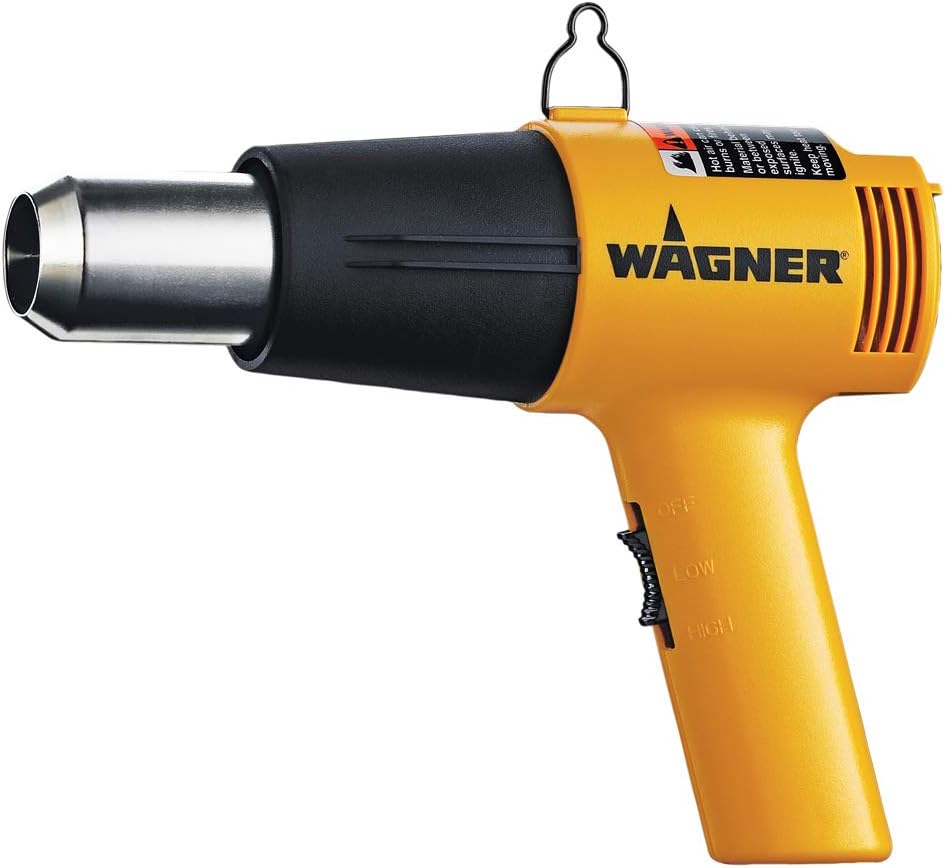 Wagner Spraytech HT1000 Dual-Temperature Heat GunView on Amazon
- 8
 6.56FT Long Heat GunView on Amazon
- 9
 Wagner Spraytech FURNO 500 Heat GunView on Amazon
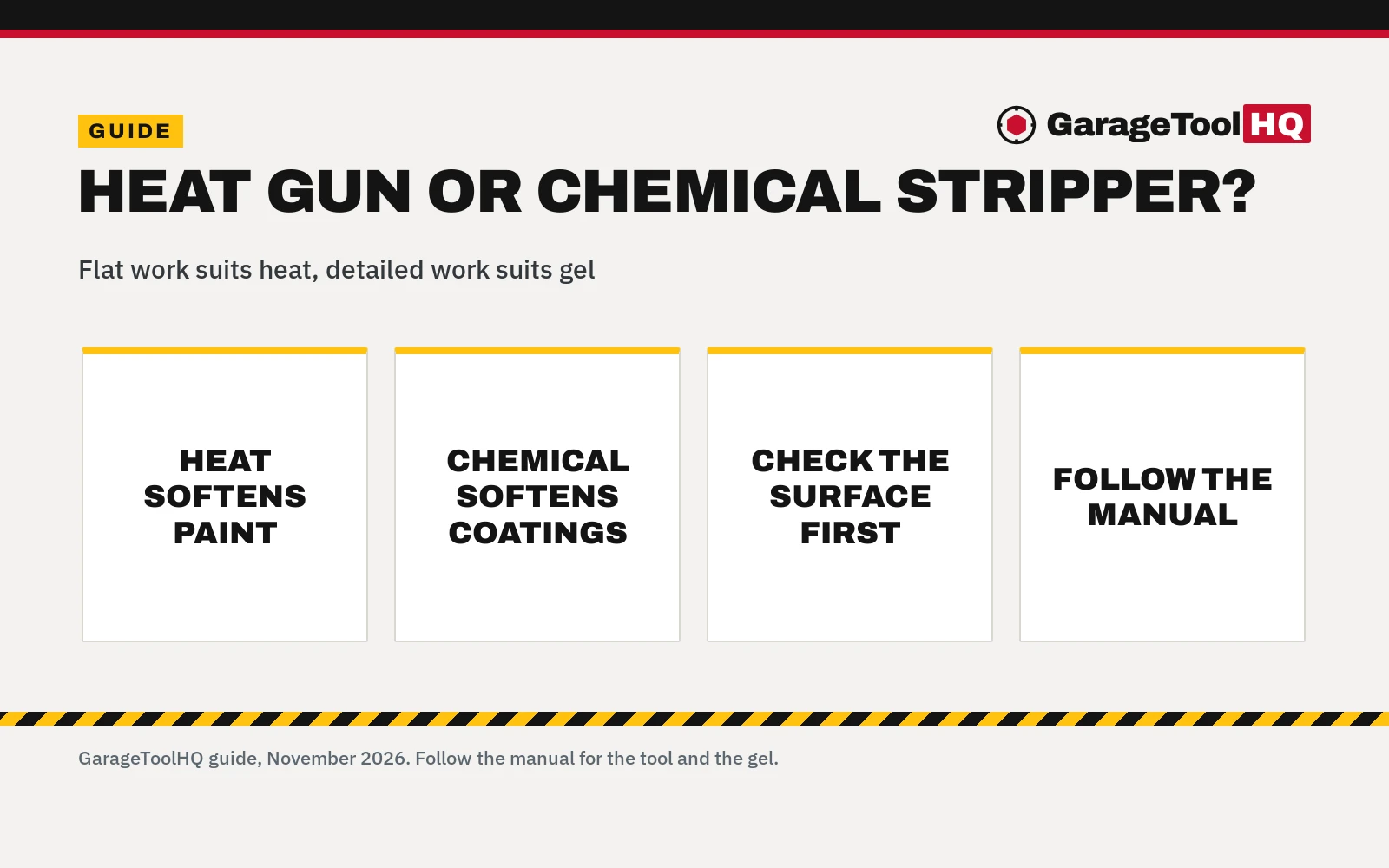
A garage door or a wooden dresser with paint that has to come off leaves a simple choice: soften the paint with heat and scrape it, or soften it with a chemical gel and scrape it. Heat gun vs chemical paint stripper comes down to the surface, the layers and the shape of the job. Heat usually suits flat wood and metal where scraping is easy, while chemical gel usually suits detailed work where heat is harder to control.
Other tools worth a look
 KLEAN-STRIP Aircraft Paint RemoverCheck price on Amazon
 OSHARK Heat Gun for Vinyl Wrap/Window Tint/PPFCheck price on Amazon
 Heat GunCheck price on Amazon
 Wagner Spraytech HT1000 Dual-Temperature Heat GunCheck price on Amazon
 6.56FT Long Heat GunCheck price on Amazon
 Wagner Spraytech FURNO 500 Heat GunCheck price on Amazon
GarageToolHQ earns a commission when you buy through links on our product pages, at no extra cost to you. Read our affiliate disclosure.
Below: how each method works, how to choose between them, three chemical gels for the chemical side, and the questions that come up most often.
Heat gun vs chemical paint stripper: how each method works
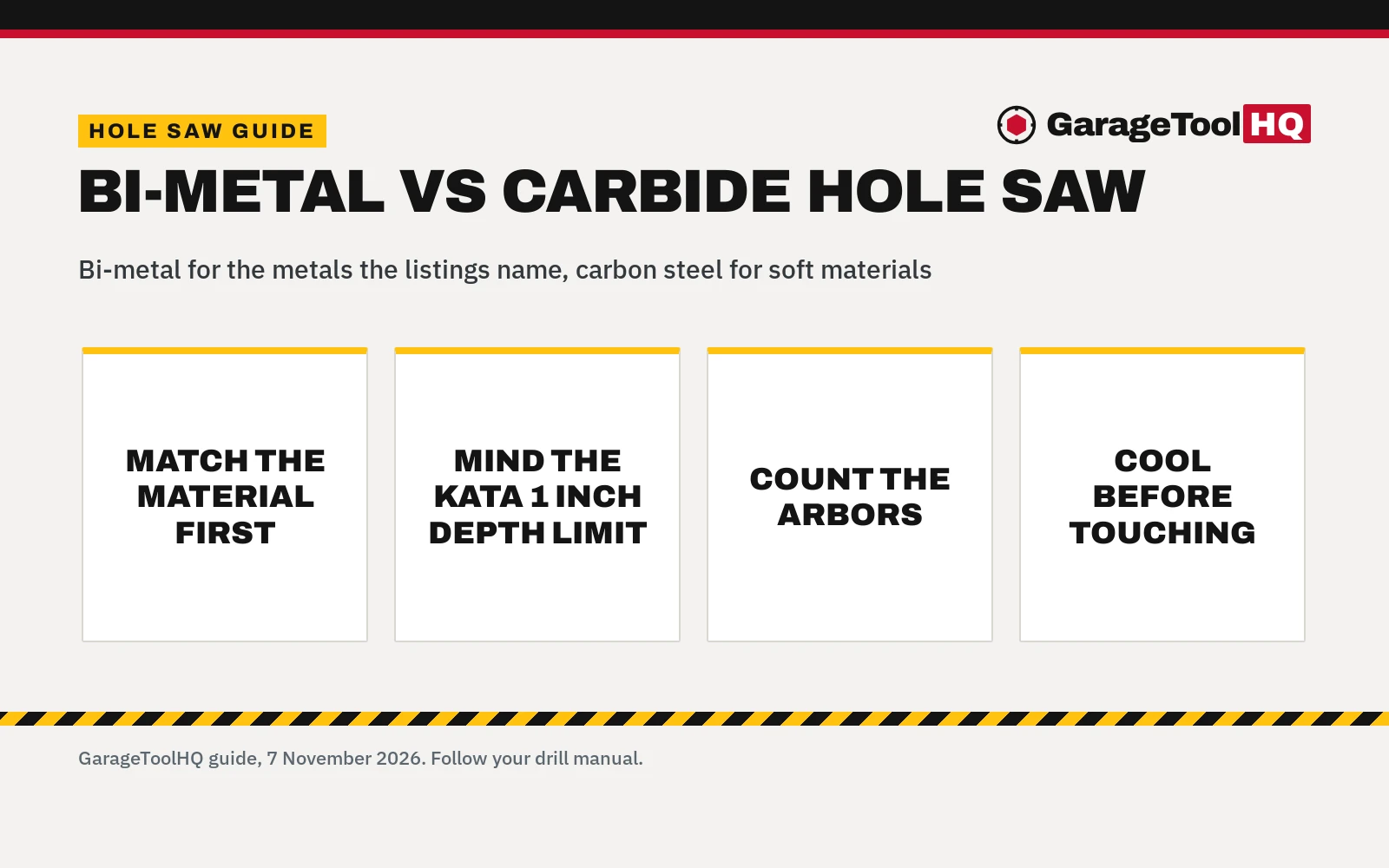
A heat gun blows hot air at the paint until the coating softens, so a scraper can lift it from the surface. The work moves as fast as the paint softens, and the surface stays dry, which suits a flat board or a metal panel that can take heat. A chemical stripper works the other way: a gel is spread on the coating, left to work as the maker directs, and then scraped off with the softened paint. The gel is spread where it is needed, which suits shapes a scraper cannot reach easily.
| Method | How it works | When it fits |
|---|---|---|
| Heat gun | Hot air softens paint for scraping | Flat wood and metal, straightforward scraping |
| Chemical gel | Gel softens coatings, then scraping lifts them | Detailed work and shapes a scraper cannot reach |
The main trade is control against speed. Heat gives immediate feedback: the paint softens, the scraper moves, and the next patch follows. Chemical gel gives patience: the gel does the loosening while the user waits, but the wait time and the cleanup belong to the job too. Heat can scorch wood if it stays in one place too long, and chemical gel can damage a surface it was not made for, so the surface and the coating decide the method more than habit does.
How to choose between heat and chemical
Start with the surface. Flat wood and metal are the surfaces heat suits best, and a scraper can follow the grain or the panel without fighting corners. Detailed trim, turned legs, carvings and other shapes with corners and curves suit a gel, because the gel reaches into the details and softens the coating there. If the coating is thin and the surface is flat, heat is usually the simpler route. If the coating is thick or hard to reach, a gel is usually the calmer route.
Then look at what the coating sits on. A chemical gel made for wood, metal and masonry will not suit every surface, and the listings below state their limits plainly. The Max Strip All Purpose gel, for example, is made for spot treatment and is not made for furniture refinishing or for painted and varnished surfaces, so it is the wrong pick for a full refinishing job even though it works well on overspray and graffiti. Check the listing for the surface before starting, and try a small hidden spot first if the surface is in doubt.
Ventilation and cleanup also matter. Heat work leaves softened paint chips that need collecting, while chemical work leaves gel and softened coating to scrape and dispose of under the maker instructions. A respirator mask for chemicals belongs on the shopping list for chemical work, and a scraper that suits the surface matters for both methods: see the floor scraper tool picks for scraper options. Follow the manual for the tool and the gel, and keep the work area clear of flammable material.
Chemical strippers to look at
The three gels below are listed in ranking order, from the broadest coating remover to the narrowest spot treatment. All three state that they contain no methylene chloride, and the two Max Strip gels also state no NMP.
Max Strip Paint and Varnish Stripper Gel, 1 Gal
The Max Strip Paint and Varnish Stripper Gel is the broadest pick here. The listing states it removes aftermarket paints, latex, polyurethane, shellac, varnish, acrylic and oil-based coatings, usually in a single application, from wood, metal and brick. The size is 128 Fl Oz, and the weight is 9.0 pounds. The maker lists checking every 15 minutes until the coating is ready, then removing it with a scraper, and shaking well before each use. It is not designed for deck coatings or for factory finished or baked-on coatings, so vehicle paint and deck coatings are out of scope for this gel.
Sunnyside 2-Minute Remover Advanced Gel, Quart
The Sunnyside 63432 2-Minute Remover Advanced Paint and Varnish Remover Gel is the fast-acting pick here. The listing states it removes multiple layers of paint or varnish in one application, works on vertical and horizontal surfaces, and will not damage wood, metal and masonry. It begins to work in 2 to 10 minutes on most coatings, and the listing gives coverage of approximately 100 square feet per gallon. The size is 32 Fl Oz, and the weight is 2.0 pounds. The formula is stated as methylene chloride free, which suits a user who wants a gel without that chemical.
Max Strip All Purpose Paint Remover, 22 oz
The Max Strip All Purpose Paint Remover and Drip Cleaner is the spot-treatment pick here, not a full refinishing gel. The listing states it tackles paint spills, overspray, graffiti, markers, gum, glues, adhesives, tape residue, decals and sap, on metal, brick, concrete, tile, glass, stone, wood, masonry, plaster and fiberglass. The size is 22 Fl Oz. The maker lists checking every 15 minutes until ready, then removing with a scraper, and states no harsh fumes or unpleasant odors. It is not made for furniture refinishing and not designed for treating painted or varnished surfaces, where it could damage aftermarket paints and varnishes, though factory finished coatings remain unaffected per the listing.
Safety notes for paint stripping
Paint stripping creates chips and chemical residue, so keep the work area ventilated, keep flammable material away from heat, and follow the manual for the heat gun and for the gel. Wear eye protection and gloves suited to the job, collect the stripped coating rather than leaving it on the floor, and dispose of it under local rules. If the paint could be old, check local rules before stripping, and do not use heat on a surface that the manual warns against.
Use rated jack stands on solid ground, wear eye protection with power and air tools, keep fuel-burning equipment out of a closed garage, and follow the manual for every tool. Read our Safety Disclaimer.
FAQ: garage tools
Which is faster, a heat gun or a chemical paint stripper?
Heat is usually faster on flat surfaces because the paint softens as the gun passes for scraping, while a gel needs its listed working time, such as 2 to 10 minutes for the Sunnyside gel, or repeated checks, such as every 15 minutes for the Max Strip gels.
Can a chemical stripper remove multiple layers at once?
Some can, per their listings: the Sunnyside gel removes multiple layers in one application, and the Max Strip gallon gel removes most aftermarket coatings usually in a single application. The All Purpose gel below is not made for multiple coatings.
Can chemical stripper be used on vertical surfaces?
Yes, per the Sunnyside listing: it states the gel is safe for vertical and horizontal surfaces. The Max Strip listings here do not state vertical use, so check the listing for the gel you buy.
Is a chemical stripper right for furniture refinishing?
It depends on the gel: the Max Strip All Purpose gel is not made for furniture refinishing and should be used for spot treatment instead. The other two gels state paint and varnish removal, but neither listing states furniture refinishing, so check the listing against the piece before starting.
What should be checked before stripping a whole piece?
Check the surface against the listing, the coating type, and the manual for the gel or heat gun, and try a small hidden spot first if the surface is in doubt.
Related: paint stripper for metal, heat gun for removing car decals, tabletop heat gun and sanding sponge for paint.