Is It Safe to Use a Propane Heater in a Garage? What to Know
When a propane heater is safe in a garage and when it is not: vented vs indoor-rated vs outdoor-only heaters, carbon monoxide alarms and a pre-light checklist.

On this page
Top picks at a glance
As an Amazon Associate we earn from qualifying purchases.
- 1
 BILT HARD 859.7/10View on Amazon
- 2
 GASLAND MHA18B Propane heater Outdoor9.6/10View on Amazon
- 3
 BILT HARD 1259.6/10View on Amazon
- 4
 XtremepowerUS 30View on Amazon
- 5
 BILT HARD 125View on Amazon
- 6
 SISUPASSIE 15000BTU Propane HeaterView on Amazon
- 7
 SISUPASSIE 30000BTU Propane HeaterView on Amazon
- 8
 Mr. Heater 9View on Amazon
- 9
 DR. INFRARED HEATER Portable Infrared Indoor and OutdoorView on Amazon
Is it safe to use a propane heater in a garage? Yes, if it is the right kind of heater set up the right way, and no if it is not. A vented propane unit heater installed to code is a normal way to heat a garage. A portable propane heater is only acceptable if its maker rates it for indoor use, and even then only with the fresh-air opening the manual calls for and a working carbon monoxide alarm. Never run any propane heater in a closed garage, and never use an outdoor-only heater inside at all.
More options to compare
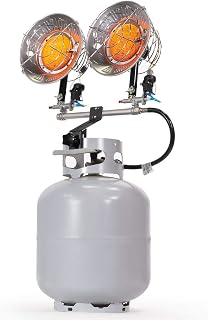 XtremepowerUS 30Check price on Amazon
 BILT HARD 125Check price on Amazon
 SISUPASSIE 15000BTU Propane HeaterCheck price on Amazon
 SISUPASSIE 30000BTU Propane HeaterCheck price on Amazon
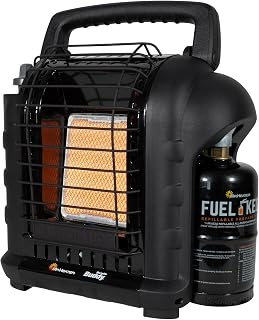 Mr. Heater 9Check price on Amazon
 DR. INFRARED HEATER Portable Infrared Indoor and OutdoorCheck price on Amazon
GarageToolHQ earns a commission when you buy through links on our product pages, at no extra cost to you. Read our affiliate disclosure.
Below: what makes propane risky in a garage, how to tell the three kinds of propane heater apart, and a checklist to run before you light one.
Is it safe to use a propane heater in a garage? Where the risk comes from
Propane burns cleanly compared with kerosene, but every flame that burns indoors uses the room’s oxygen and puts its combustion products into the room unless they are vented outside. In a garage that adds up to four separate hazards:
- Carbon monoxide. Incomplete combustion makes CO, a gas you cannot see or smell. A heater that is dirty, starved of air or running in a sealed space makes more of it. In an attached garage, CO can also move into the house. The CPSC carbon monoxide information center recommends CO alarms on every level of the home and outside sleeping areas.
- Oxygen depletion. A flame in a small, closed space lowers the oxygen level over time.
- Flammable vapors. Garages hold gasoline, solvents, brake cleaner and paint. Those vapors are heavier than air and collect near the floor, where an open flame or hot element can ignite them. Leaked propane is also heavier than air and pools low.
- Moisture. An unvented heater releases the water vapor from combustion into the room, which shows up as condensation on cold tools, windows and car bodies.
Three kinds of propane heater, and which ones belong in a garage
| Type | How it handles exhaust | In a garage? |
|---|---|---|
| Vented propane unit heater (ceiling or wall mounted) | Flue or sealed vent carries combustion gases outside | Yes, installed to the manual and local code, usually by a licensed gas installer |
| Portable heater rated by its maker for indoor use | Unvented; relies on safety shutoffs and fresh air | Only as the manual allows: ventilation opening, clearances, CO alarm, never left running unattended |
| Outdoor or construction-site heater (tank-top, many forced-air "torpedo" units) | Unvented, no indoor rating | No in an attached garage or any enclosed space; read the label for the maker’s intended use |
The label and the manual decide which group a heater is in, not the box art or the product title. If the manual says "outdoor use only" or "for construction sites," it does not go in your garage, however good the price.
How to use a propane heater in a garage safely: the checklist
- Confirm the rating. Indoor use must be stated by the manufacturer. For a permanent heater, choose a vented unit heater.
- Fit a carbon monoxide alarm in the garage and in the house next to the garage door. Test it before the season. If it sounds, shut the heater off, get everyone into fresh air and call 911 or the fire department.
- Give it the fresh air the manual specifies. Indoor-rated portable heaters list a minimum ventilation opening (often a cracked door or window). Never run one with the garage closed up.
- Check the safety shutoffs. Look for an oxygen depletion sensor (ODS), which shuts the heater off when oxygen in the room drops, and a tip-over switch. An ODS does not measure carbon monoxide, which is why you still need the alarm.
- Keep the clearances. Hold the distances from walls, ceilings, cars and anything combustible that the manual lists. Keep gas cans, solvents and spray painting well away from the flame, and do not heat while using flammable products.
- Stand it on a level, solid floor where it cannot be knocked over by a creeper, a hose or a dog.
- Leak-check connections with soapy water each time you connect a cylinder. Bubbles mean a leak: shut the valve and fix the fitting before lighting.
- Never sleep, or leave the garage, with it running. Turn it off and close the cylinder valve when you walk away.
- Store spare cylinders outside. Fire codes in most areas restrict storing propane cylinders inside buildings, garages included. Keep them upright, outdoors, away from doors and vents, as your local fire code requires.
The same rules apply to anything that burns fuel. Never run a car, a generator or any gas engine in a closed garage, even with the door partly open, and never use an outdoor grill or camp stove as a heater.
Never run a fuel-burning heater, generator or engine in a closed garage: carbon monoxide builds up fast and has no smell. Fit a CO alarm, keep clearances to cars and storage, use vented gas heaters installed to code, and put 240V electric heaters on a dedicated circuit. See CPSC carbon monoxide guidance. Read our Safety Disclaimer.
Propane vs electric garage heaters
If you are still choosing, compare these before buying propane:
- Combustion: electric heaters make no carbon monoxide and no water vapor. Vented propane heaters send theirs outside. Unvented portable propane heaters put both into the garage.
- Power: a 240V electric garage heater of 7,500 W makes about 25,600 BTU, enough for many insulated two-car garages. Gas unit heaters start where electric runs out, around 45,000 BTU and up.
- Installation: electric needs a dedicated 240V circuit from an electrician; a vented propane heater needs gas piping, venting and usually a permit.
- Running cost: depends entirely on your local propane and electricity prices, so compare per BTU with your own bills.
Work out how much heat your space needs first with our guide to what size garage heater you need or the garage heater BTU calculator. Then compare real models, electric and vented gas side by side, in our picks for the best garage heater for a 2-car garage.
Flames and battery charging do not mix
Many people charge or maintain car batteries in the garage over winter. Flooded lead-acid batteries can release hydrogen while charging, and hydrogen ignites easily. Keep any charging battery well away from a propane heater’s flame, charge with ventilation, and follow the charger’s manual. A smart battery charger maintainer that drops to a float charge limits gassing, but distance from open flame still matters.
Frequently Asked Questions
Can I use a propane heater in my garage with the door closed?
No. Never run an unvented propane heater in a closed garage. Indoor-rated portable models still need the ventilation opening their manual specifies. Only a vented unit heater, which sends exhaust outside through a flue, is designed to run with the garage closed.
Do I need a carbon monoxide alarm if my heater has an oxygen depletion sensor?
Yes. An ODS shuts the heater off when oxygen falls; it does not measure carbon monoxide. A CO alarm in the garage, and one in the house next to an attached garage, is the warning you can rely on.
Is a propane heater safe in an attached garage?
A vented unit heater installed to code is. Unvented portable heaters are a bigger concern in an attached garage because carbon monoxide can move into the house through the connecting door and gaps. Keep that door closed, fit CO alarms on both sides and follow the heater’s ventilation rules.
Can I use a torpedo heater in a garage?
Check the label. Many forced-air propane heaters are made for construction sites or outdoor use and are not rated for enclosed spaces. If the manual does not list indoor or garage use with a stated ventilation requirement, do not use it there.
Can I store a propane tank in my garage?
Generally not. Fire codes in most areas restrict storing propane cylinders inside buildings, including garages. Store spare cylinders upright outdoors, away from doors, windows and vents, and check your local fire code.
Is propane or electric heat safer for a garage?
Electric heat produces no combustion gases, so it removes the carbon monoxide risk. A properly vented propane unit heater is also safe when installed and maintained to code. Unvented portable propane heaters carry the most risk and need the most care.
Related: garage heater sizing by BTU, the best garage heaters for a 2-car garage, our garage upgrades hub and the safety disclaimer. Also see our cost to heat a garage.