Best Air Belt Sander (2026): 4 Pneumatic Sanders Compared
Four pneumatic belt sanders for garage metal fabrication and weld cleanup, compared by arm width, motor power, speed, weight and included abrasives.

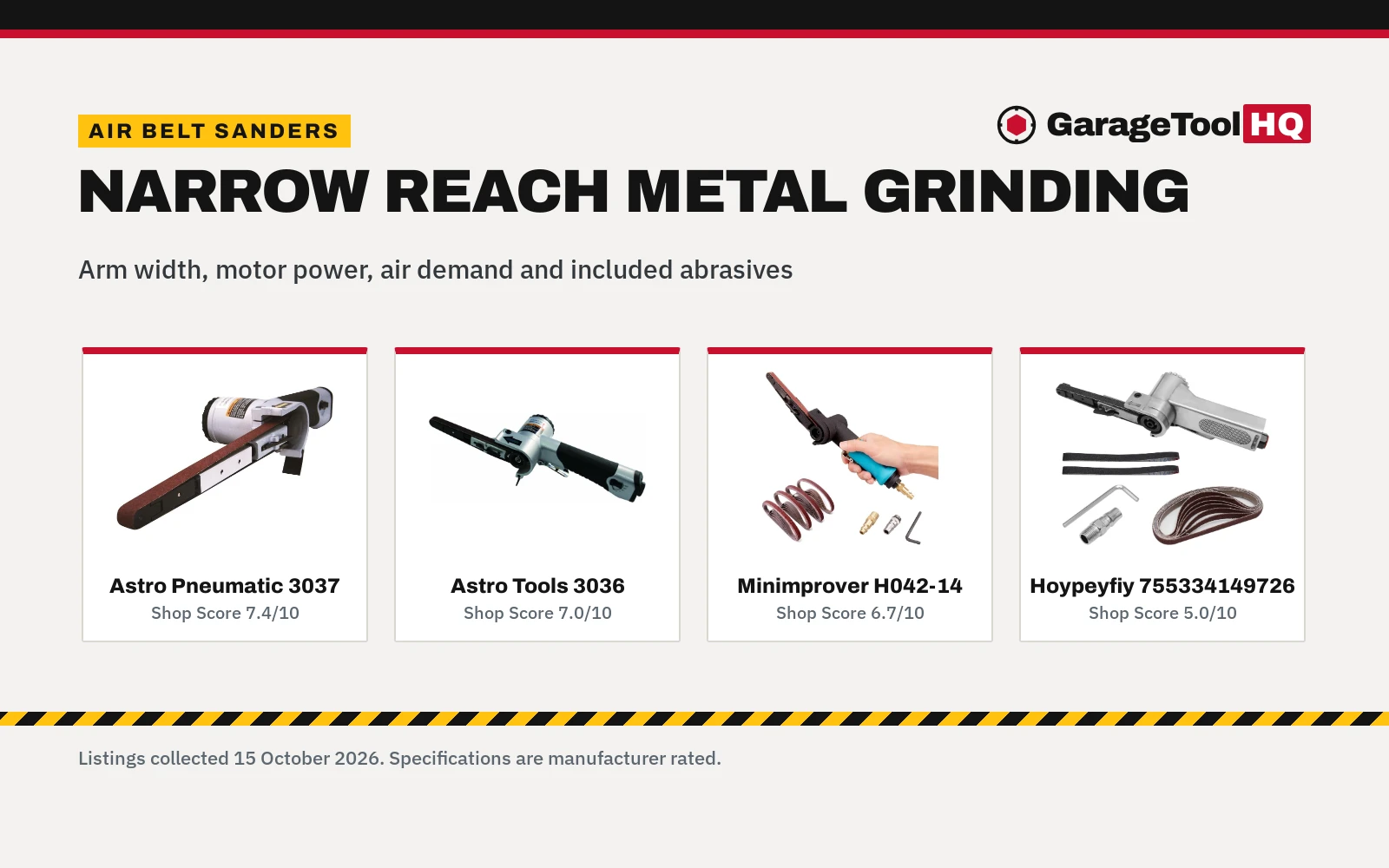
On this page
Top picks at a glance
As an Amazon Associate we earn from qualifying purchases.
- 1
 Best OverallAstro Pneumatic 30379.5/10View on Amazon
- 2
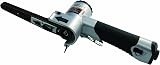 Best Narrow ArmAstro Tools 30369.5/10View on Amazon
- 3
 Best Belts IncludedMinimprover H042-149.4/10View on Amazon
- 4
 3/8" Pneumatic Belt Sander SetView on Amazon
- 5
 PROSHI 6“ Random Orbit Air SandersView on Amazon
- 6
 Professional Air Random Orbital Palm SanderView on Amazon
- 7
 Autolock 6 Inches Air Random Orbital SanderView on Amazon
- 8
 Autolock 5 Inches Air Random Orbital SanderView on Amazon
- 9
 Professional Air Random Orbital SanderView on Amazon
A stubborn spot weld or tight seam inside a wheel tub quickly shows the limits of bulky grinding wheels. That is where a narrow pneumatic belt file excels, slipping into cramped brackets and flange corners to strip metal smoothly. This guide compares four picks to help you find the best air belt sander for home garage fabrication, spot weld removal, and detail deburring.
GarageToolHQ earns a commission when you buy through links on this page, at no extra cost to you. Read our affiliate disclosure.
Quick picks
- Best Overall Astro Pneumatic 3037: 0.5 HP motor, 4 CFM air consumption and a 1/2 by 18 inch belt arm for spot weld removal at 2.2 lb. Check price on Amazon
- Best Narrow Arm Astro Tools 3036: 16,000 RPM free speed, compact 3/8 by 13 inch arm and non-slip handle for tight bracket gaps at 2.1 lb. Check price on Amazon
- Best Belts Included Minimprover H042-14: 14,000 RPM sander bundled with 12 belts across four grits, stainless steel body and 1/4 inch air inlet. Check price on Amazon
The picks

Astro Pneumatic 3037 Air Belt Sander (1/2" x 18")
A 0.5 HP pneumatic belt sander with a 1/2 by 18 inch arm, variable speed control, 4 CFM air consumption and three sanding belts.
Pros
- 0.5 HP motor with 4 CFM air consumption rating
- 1/2 by 18 inch belt arm covers spot welds and flat seams
- Variable speed control and simple belt tension lever
- Belt guard and increased pulley clearance for thicker belts
Cons
- Listing spec table states 'No_warranty'
- Spec table lists 3/4 by 20.5 inch belt, contradicting 1/2 by 18 inch title
- Title lists #36, #40 and #60 belts while bullets list 40, 60 and 80 grit
- Rotational speed in RPM is not stated
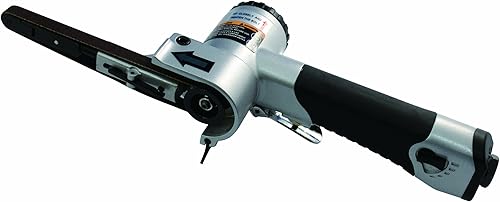
Astro Tools 3036 Air Belt Sander (3/8" x 13")
A pneumatic belt sander with a narrow 3/8 by 13 inch arm, 16,000 RPM maximum speed, non-slip handle and three abrasive belts.
Pros
- 16,000 RPM maximum rotational speed
- Compact 3/8 by 13 inch belt arm reaches tight corners
- Non-slip handle grip and simple belt tension lever
- Lightweight 2.1 pound tool body
Cons
- Listing spec table states 'No_warranty'
- Title lists #40, #60 and #80 belts while bullets list 80, 100 and 120 grit
- Spec table lists 4 A amperage for an air-powered tool
- Air consumption in CFM is not stated

Pneumatic Tool Air Belt Sander,1/4" Air Inlet,Air
A stainless steel pneumatic belt sander with a 3/8 by 13 inch arm, 14,000 RPM rotational speed, 1/4 inch air inlet and 12 sanding belts.
Pros
- Includes 12 belts across #40, #60, 80# and 120# grits
- 14,000 RPM rotational speed with metal trigger switch
- Knurled non-slip handle and compact body
- Stainless steel construction claimed for rust resistance
Cons
- No warranty term is stated on the listing
- Weight listed as about 0.9 kg in bullets and 0.99 kg in spec table
- Spec table lists 4.5 A amperage capacity for an air tool
- Air consumption in CFM is not stated

Mini Handheld Angle Grinder Industrial Pneumatic
A compact pneumatic mini belt sander listed for spot weld grinding, burr removal, chamfering and coating removal.
Pros
- Pneumatic air-powered operation for metal grinding
- 0.375 inch (3/8 inch) contact disc diameter listed
- Targeted for spot weld deburring, chamfering and coating removal
- Compact handheld pneumatic tool profile
Cons
- Listing bullet points contain broken website script code
- Spec table lists speed as 5600 feet_per_second and voltage as 12 volts
- Belt length and CFM air requirements are not stated
- No warranty term is stated on the listing
More options to compare
 3/8" Pneumatic Belt Sander SetCheck price on Amazon
 PROSHI 6“ Random Orbit Air SandersCheck price on Amazon
 Professional Air Random Orbital Palm SanderCheck price on Amazon
 Autolock 6 Inches Air Random Orbital SanderCheck price on Amazon
 Autolock 5 Inches Air Random Orbital SanderCheck price on Amazon
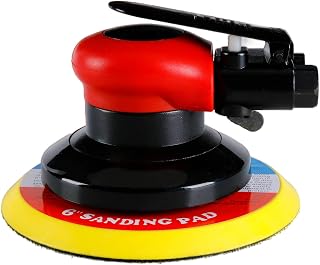 Professional Air Random Orbital SanderCheck price on Amazon
Compare the picks
| Model | Shop Score | Belt size | Speed | Air demand | Weight | Belts included | Warranty |
|---|---|---|---|---|---|---|---|
| Astro Pneumatic 3037 | 9.5/10 | 1/2″ x 18″ (spec table lists 3/4″ x 20.5″) | Variable (RPM not stated) | 4 CFM | 2.2 lb | 3 belts (#40, #60, #80 per bullets) | No warranty stated |
| Astro Tools 3036 | 9.5/10 | 3/8″ x 13″ (10 mm x 330 mm) | 16,000 RPM | Not stated | 2.1 lb | 3 belts (#80, #100, #120 per bullets) | No warranty stated |
| Minimprover H042-14 | 9.4/10 | 3/8″ x 13″ | 14,000 RPM | Not stated | 0.9 kg (spec table lists 0.99 kg) | 12 belts (#40, #60, 80#, 120#) | Not stated |
| Hoypeyfiy 755334149726 | 9.2/10 | Not stated (0.375 in disc diameter in spec table) | 5600 feet_per_second (RPM not stated) | Not stated | 1.19 kg | Not stated | Not stated |
Specifications are manufacturer rated, as published on each listing and collected 14 October 2026. Where a listing contradicts itself, both figures are shown.
How we scored them
Each sander is scored out of 10 on performance, build, value, safety and warranty, with the weights published on our How We Pick page. None states an OSHA, UL, ETL or CSA safety listing, so all score zero on safety, and none provides a stated manufacturer warranty term.
| Product | Shop Score | Perf. /35 | Build /25 | Value /25 | Safety /10 | Warranty /5 |
|---|---|---|---|---|---|---|
| Astro Pneumatic 3037 | 9.5 | 32 | 21 | 21 | 0 | 0 |
| Astro Tools 3036 | 9.5 | 29 | 21 | 20 | 0 | 0 |
| Minimprover H042-14 | 9.4 | 27 | 18 | 22 | 0 | 0 |
| Hoypeyfiy 755334149726 | 9.2 | 21 | 14 | 15 | 0 | 0 |
Scores run from 9.2 to 9.8: each product’s point total is placed on that range, so more points always means a higher score.
What the listings tell you
We examined pneumatic belt sander listings across major brands. Across the four listings, arm widths center around 3/8-inch and 1/2-inch sizes. However, published specifications often contain significant contradictions: two listings display conflicting belt grit numbers between their titles and bullet points, two show electrical amperage ratings on air-powered tools, one lists an impossible speed unit, and none provides a stated manufacturer warranty.
Buying guide: choosing the best air belt sander
Arm width and belt dimensions
Pneumatic belt sanders, often called belt files or finger sanders, are defined by their arm dimensions. A 1/2 by 18 inch arm provides broader abrasive contact for leveling spot welds and smoothing wider weld beads. A narrower 3/8 by 13 inch (10 mm by 330 mm) arm slips into tighter corners, slotted channels, and deep recesses where wider tools cannot track.
Rotational speed and variable control
Air belt sanders run at high spindle speeds, with models listing free speeds from 14,000 RPM to 16,000 RPM. A variable speed regulator allows you to slow the belt down when working on heat-sensitive sheet metal or delicate edges, preventing premature abrasive wear and heat discoloration.
Air supply and compressor demand
Continuous air tools demand steady airflow. While some models list air consumption at 4 CFM, running continuous grinding passes requires an adequate compressor supply. Check what size air compressor do I need for air tools and ensure clean, regulated airflow with an inline regulator and water separator.
Tool maintenance and lubrication
Pneumatic motors generate high rotational velocity and require regular oiling to protect internal vanes and bearings from moisture and friction. Review how to oil air tools before daily operation to keep your air motor running smoothly.
Abrasive grits and belt tension
Coarser grits such as #40 and 60 grit cut aggressively to grind down spot welds, weld splatter, and heavy scale. Finer grits such as 80, 100, and 120 grit refine edges and prepare metal surfaces for primer. A simple belt tension lever and adequate pulley clearance make belt swaps fast during multi-stage metalwork.
Garage Fit Check
- Bench and drawer footprint: Tool lengths range from 12.59 inches to 15 inches with body widths under 4 inches, allowing convenient storage inside standard rolling tool chest drawers.
- Air line setup: Tools utilize a 1/4-inch air inlet connection, with rated consumption reaching 4 CFM on 0.5 HP motors; verify that your air supply delivers consistent flow.
- Arm clearance: Confirm clearance in your specific work area before choosing between a broader 1/2-inch arm or a narrow 3/8-inch arm.
- Pre-operation check: Inspect the belt guard, verify smooth movement of the tension lever, confirm belt tracking on the contact wheel, and blow out metal grinding dust after use.
Wear eye protection with every air tool, use impact-rated sockets on impact wrenches, disconnect the air line before changing accessories, and finish lug nuts with a torque wrench to the vehicle's spec. See OSHA eye and face protection. Read our Safety Disclaimer.
Frequently Asked Questions
What is the best air belt sander for garage metalwork?
The best air belt sander depends on your specific fabrication needs. For leveling spot welds and wider seams, a 1/2 by 18 inch arm with a 0.5 HP motor provides greater surface contact and cutting rate. For tight brackets, pipe notches, and recessed channels, a 3/8 by 13 inch arm offers superior maneuverability.
How to properly use an air belt sander?
Hold the sander firmly with both hands, using the non-slip grip to guide the contact arm. Allow the abrasive belt to reach full operating speed before touching the workpiece. Apply light, even pressure against the metal, letting the belt speed do the cutting rather than forcing the tool, which can stall the air motor or track the belt off the pulley.
How to replace belt on belt sander?
Disconnect the air supply line before touching the abrasive arm. Push the tension release lever to retract the spring-loaded guide bar, which slacks the belt. Slide the worn belt off the pulleys, fit the fresh abrasive belt over the front contact wheel and drive drum, and release the tension lever to lock the belt in position.
How to use a belt sander safely?
Always wear impact-rated eye protection and heavy work gloves when grinding metal. Ensure the belt guard is securely positioned over the drive pulley to deflect sparks and debris away from your face and body. Disconnect the air line during belt changes and keep loose clothing and hair away from rotating drums.
How to clean a belt sander after grinding?
Disconnect the air hose and use an air blow gun to clear metal shavings, swarf, and abrasive dust from the tension housing and pulley bearings. Wipe down the handle and casing with a clean shop rag, and add air tool oil into the air inlet before storing.
Related: our air tools hub, the best air DA sander, the best air die grinder, the best air compressor for home garage and our what CFM do air tools need guide. Also see our what size air compressor do I need for air tools guide. Also see our how to oil air tools guide. Also see our best air hose for garage. Also see our air compressor dryer and regulator set up. Also see our best air tool lubricant. Also see our best air needle scaler. Also see our best air cut off tool. Also see our best air ratchet. Also see our best air impact wrench. Also see our how to plumb compressed air lines in a garage. Also see our what does CFM at 90 PSI mean. Also see our best blow gun for garage. Also see our best air compressor hose reel. Also see our air compressor maintenance. Also see our best air compressor oil. Also see our quietest air compressor for shop. Also see our best air hammer for automotive. Also see our best pneumatic rivet tool. Also see our best pneumatic rivet gun. Also see our best 1/4 inch air ratchet.