Diesel Heater vs Electric Heater Cost: Which One Should You Buy?
A complete breakdown of diesel heater vs electric heater cost comparing upfront equipment expenses, electrical installation, and ongoing fuel consumption for your garage.

On this page
Top picks at a glance
As an Amazon Associate we earn from qualifying purchases.
- 1
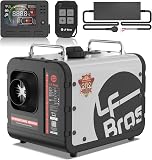 LF Bros 5KW Diesel Heater9.5/10View on Amazon
- 2
 Comfort Zone Hard-Wired Ceiling Mount Garage Electric Space9.7/10View on Amazon
- 3
 VEVOR 8KW Diesel Heater with Bluetooth App Control For9.5/10View on Amazon
- 4
 X-Large 1500W Electric Space Heaters for Indoor UseView on Amazon
- 5
 DREO Space HeaterView on Amazon
- 6
 DREO Space Heaters for Indoor Use with ThermostatView on Amazon
- 7
 DREO Space Heaters for Indoor UseView on Amazon
- 8
 DR. INFRARED HEATER NEW Upgraded DR-975 7500-Watt 240-VoltView on Amazon
- 9
 DR. INFRARED HEATER DR-PS11024 Salamander ConstructionView on Amazon
Diesel heater vs electric heater cost: an electric heater is cheaper to buy upfront and simpler to plug in if your garage has adequate wiring, while a diesel heater delivers powerful heat output without requiring costly electrical service upgrades. Ongoing operating expenses depend on local fuel consumption versus electric utility rates. Comparing equipment expenses, power supply requirements, and energy draw helps identify the most economical choice.
More options to compare
 X-Large 1500W Electric Space Heaters for Indoor UseCheck price on Amazon
 DREO Space HeaterCheck price on Amazon
 DREO Space Heaters for Indoor Use with ThermostatCheck price on Amazon
 DREO Space Heaters for Indoor UseCheck price on Amazon
 DR. INFRARED HEATER NEW Upgraded DR-975 7500-Watt 240-VoltCheck price on Amazon
 DR. INFRARED HEATER DR-PS11024 Salamander ConstructionCheck price on Amazon
GarageToolHQ earns a commission when you buy through links on our product pages, at no extra cost to you. Read our affiliate disclosure.
Heating a home garage requires balancing initial equipment purchase against ongoing utility bills. Below: how equipment and installation expenses compare, how fuel and electricity consumption differ, and what factors decide overall heating expenses for your workspace.
Diesel heater vs electric heater cost: where the expenses come from
Total heating expenses break down into distinct categories:
- Upfront equipment purchase. The heater unit, mounting brackets, exhaust parts, and accessories.
- Installation and electrical infrastructure. Dedicated circuits, panel updates, or exterior exhaust penetrations required to install equipment safely.
- Ongoing energy consumption. Recurring diesel fuel or utility electricity consumed during heating.
- Maintenance and replacement parts. Routine upkeep like fuel filters, glow plugs, or element cleaning.
Comparing diesel and electric garage heating options
| Cost Factor | Diesel Heater | Electric Heater |
|---|---|---|
| Upfront equipment | Burner unit, exhaust piping, ducting, and fuel tank | Heating element, convection fins or fan, and thermostat |
| Installation | Exterior wall or floor exhaust penetration; 12v connection | Standard outlet or dedicated circuit installed by a licensed electrician |
| Electrical demand | 12v DC for glow plug ignition and low fan draw | Continuous wattage draw from household electrical grid |
| Operating fuel | Diesel fuel stored in integrated or external reservoir | Grid electricity billed per kilowatt-hour |
| Ventilation | Sealed exhaust routed outdoors; carbon monoxide alarm required | Zero combustion emissions; requires no flue or exhaust venting |
| Heat delivery | Forced hot air for rapid workspace heating | Radiant or convection airflow sized to room area |
Step-by-step cost breakdown: diesel vs electric heaters
Initial equipment purchase. Compact electric space heaters represent a modest initial expense. The Amazon Basics ceramic space heater lists a draw of 1500W on high and 900W on low, while the EZ-HEAT baseboard heater lists an output of 5120 british thermal units drawing 1500W. Diesel heaters range from standalone units to complete kits (such as 5KW or 8KW models, or a diesel heater kit 9l configuration) that include a burner, fuel pump, exhaust pipe, air intake, and ducting. Complete diesel kits bundle heating and fuel storage, while standalone units require a separate fuel tank.
Electrical infrastructure and installation. Portable 120 volts electric heaters drawing 1500W pull 12.5 A, as stated on listings for the Amazon Basics ceramic heater, the AUBKN space heater, the OSTBA cabinet heater, and the EZ-HEAT baseboard unit. That 12.5 A draw uses most capacity on a standard household circuit. Installing a heavy-duty electric garage heater requires a dedicated circuit, wiring, and breaker installed by a licensed electrician, which adds expense if your panel needs service upgrades.
A diesel heater generates thermal energy by burning fuel rather than drawing heavy current from building wiring. A diesel model like the Webasto Air Top 2000 STC operates on a 12v electrical supply to power its glow plug during startup and its internal fan and fuel pump while running. Running electrical consumption is low, allowing operation from an AC-to-DC power converter plugged into an existing 120 volts outlet.
Exhaust venting and mounting. A diesel heater burns fuel inside an enclosed heat exchanger and generates combustion gases that must exit the building. Installation requires cutting a sealed exhaust penetration through an exterior wall or floor plate, mounting an external combustion air intake, and securing the exhaust pipe. Electric heaters produce zero combustion emissions and require no vents or wall cuts.
Ongoing operating consumption. Ongoing expenses depend on usage frequency and local utility pricing. An electric heater drawing 1500W continuously pulls electricity whenever active. A diesel heater consumes fuel from its reservoir alongside minor 12v electrical power. Where spaces require steady high heat, burning fuel can deliver greater thermal output per unit of energy expense than electric resistance elements.
Any fuel-burning heater produces combustion exhaust that must be vented completely outdoors per manufacturer instructions, and an operating carbon monoxide alarm is required in the garage. Never operate a fuel-burning heater in a sealed, unvented space. For heavy electric heating equipment, always hire a licensed electrician to evaluate your panel capacity and run dedicated wiring rather than attempting unpermitted electrical work.
Never run a fuel-burning heater, generator or engine in a closed garage: carbon monoxide builds up fast and has no smell. Fit a CO alarm, keep clearances to cars and storage, use vented gas heaters installed to code, and put 240V electric heaters on a dedicated circuit. See CPSC carbon monoxide guidance. Read our Safety Disclaimer.
Power supply options and control features
Modern heating units include control features that influence convenience and operating efficiency:
- Powering a diesel heater. Because a diesel heater operates on 12v DC power, owners run the unit using an AC-to-DC power converter connected to a standard 120 volts outlet to support glow plug ignition and fan operation. Deep-cycle 12v batteries offer an alternative during power outages.
- Digital controls and remote operation. Contemporary diesel heaters offer digital controllers, wireless remotes, and bluetooth app control. Electric heaters also provide versatile controls: the AUBKN heater features remote operation, a timer, and multiple modes; the OSTBA cabinet heater includes digital thermostat controls; and the HOMCOM freestanding electric fireplace provides independent flame operation and heat settings.
- Automated heat regulation. Thermostats cycle heating elements on and off once target room temperatures are met. Multi-stage switches, like the 500W, 700W, and 1200W settings on the Comfort Zone oil-filled radiator, allow selecting lower wattage to maintain warmth.
Estimate heating demand with our guide on what size garage heater do I need, or review electrical requirements in electric garage heater size.
Garage safety, ventilation, and workspace considerations
Operating heaters inside a workshop requires attention to common garage hazards:
- Combustion exhaust. A diesel heater requires sealed combustion with exhaust routed outside, clear of windows or doors. Keep an active carbon monoxide detector installed in the garage and inspect exhaust pipe joints regularly.
- Safety shutoffs. Built-in tip-over and overheat shutoff sensors disconnect power if an electric heater falls or overheats. Listings for the Amazon Basics, Comfort Zone, AUBKN, EZ-HEAT, and OSTBA heaters highlight integrated tip-over and overheat protection.
- Flammable vapors and battery charging. Solvents and fuel vapors pool low where elements or flames can ignite them. Maintain clearances around heaters. Charging batteries also emit hydrogen gas; keep chargers away from heat sources, and review our guide to the best battery charger maintainer.
Compare workshop designs in our guide on garage heater gas vs electric, browse picks in the best electric garage heater guide, or review indoor fuel options in our overview of a diesel heater for indoor use.
Frequently Asked Questions
Is a diesel heater cheaper to run than an electric heater?
Operating expenses depend on local diesel fuel prices versus electric utility rates per kilowatt-hour. In areas with expensive electricity or uninsulated garages needing continuous heat, diesel units deliver high heat output per fuel dollar. For mild climates or occasional work, a 120 volts electric heater avoids fuel handling and runs economically.
How do you power a diesel heater in a garage?
A diesel heater requires 12v DC power for its blower fan, glow plug, and fuel pump. Run the unit by connecting an AC-to-DC power converter to a standard 120 volts wall outlet, or wire it to a 12v deep-cycle battery.
What electrical setup does an electric garage heater require?
Space heaters drawing 1500W at 120 volts and 12.5 A plug into standard household wall outlets on an unshared circuit. Larger garage heaters require dedicated circuits installed by a licensed electrician.
Does a diesel heater require exterior venting in a garage?
Yes. A diesel heater burns fuel and produces combustion exhaust that must vent outdoors through an exhaust pipe. Never run a diesel heater without exterior venting, and maintain an active carbon monoxide alarm in the garage.
How do you start and use a diesel heater?
Connect 12v power, fill the fuel tank, and turn on the unit via its control panel, remote, or bluetooth app. The heater preheats the glow plug, primes fuel, and starts the blower fan automatically.
Which heater is more cost-effective for an uninsulated garage?
In drafty or uninsulated shops requiring heavy heating output (such as a 5KW or 8KW unit), diesel heaters are typically more cost-effective because they deliver forced warm air without requiring panel upgrades. Insulated spaces with light heating needs benefit from plug-in electric heaters.
Related: how much does it cost to heat a garage, our guide on what size garage heater do I need, our picks for the best garage heater for a 2-car garage, and shop ideas in our garage upgrades hub.