Cordless vs Air Impact Wrench: Differences Explained
Cordless and air impact wrenches compared on torque, portability, compressor demands, tool weight, maintenance, and real-world garage convenience.

On this page
Top picks at a glance
As an Amazon Associate we earn from qualifying purchases.
- 1
 DEWALT 20V MAX Cordless Impact Wrench9.6/10View on Amazon
- 2
 Ingersoll Rand 2146Q1MAX 3/4" Drive Air Impact Wrench9.3/10View on Amazon
- 3
 CRAFTSMAN V20 RP Cordless Impact Wrench9.6/10View on Amazon
- 4
 MILWAUKEE'S Mid-Torque Impact WrenchView on Amazon
- 5
 Ingersoll Rand W3131 20V 3/8" Drive Cordless Impact WrenchView on Amazon
- 6
 DEWALT 68View on Amazon
- 7
 LLNDEI 3/8" Extended Reach Cordless Ratchet Set 102Pcs 12VView on Amazon
- 8
 730PRO Car Blower for Drying CordlessView on Amazon
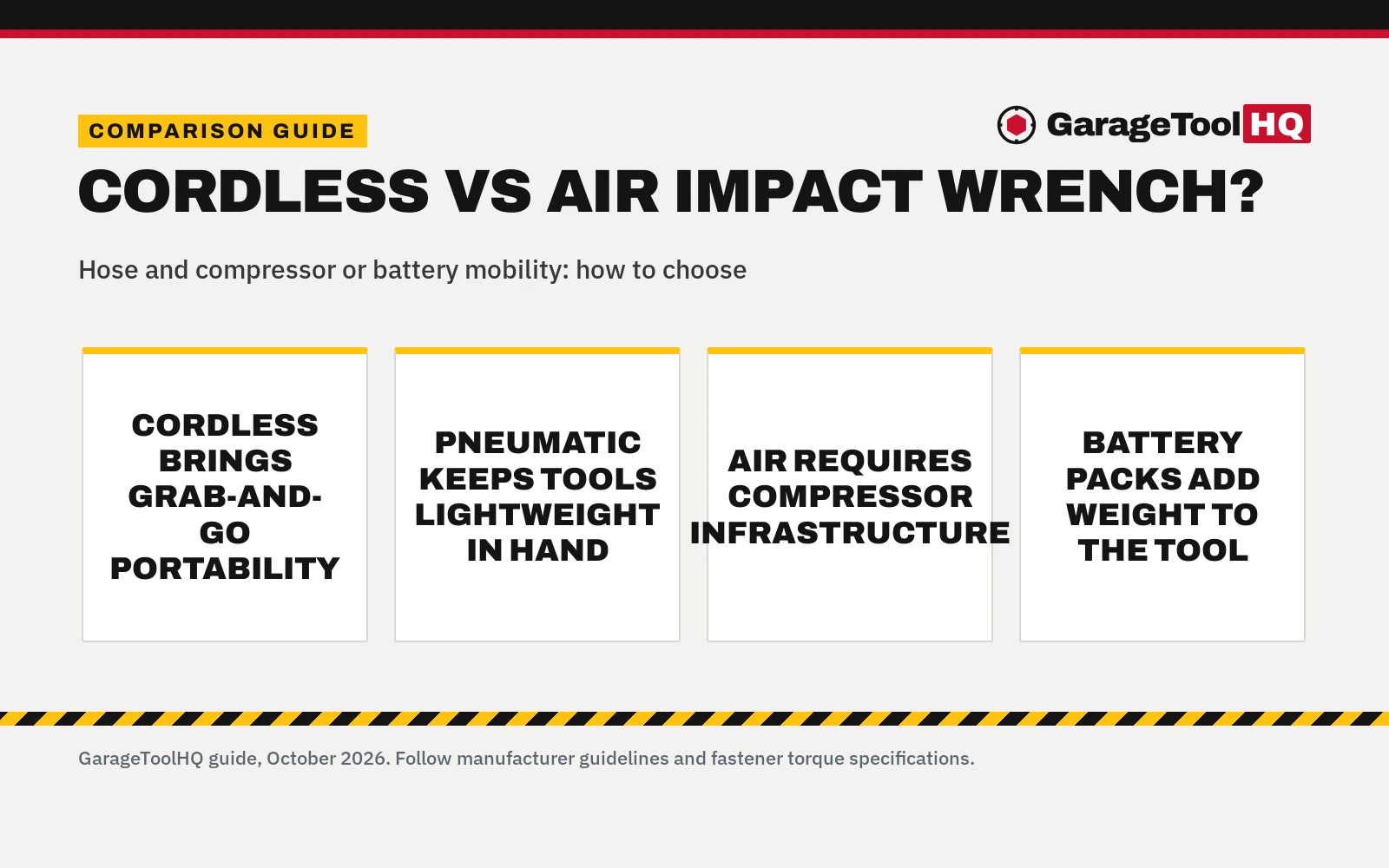
Cordless vs air impact wrench: which tool system belongs in your garage? A cordless impact wrench provides grab-and-go portability anywhere without an air hose, while an air impact wrench offers a lighter tool body and continuous duty if you already have a capable air compressor. For most DIY mechanics working in a home garage or driveway, cordless tools deliver ample breakaway power without compressor noise. Many professional service bays still keep pneumatic lines for continuous bench work and lighter overhead weight.
More options to compare
 MILWAUKEE'S Mid-Torque Impact WrenchCheck price on Amazon
 Ingersoll Rand W3131 20V 3/8" Drive Cordless Impact WrenchCheck price on Amazon
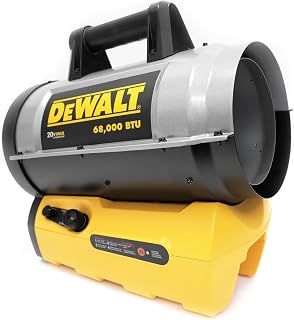 DEWALT 68Check price on Amazon
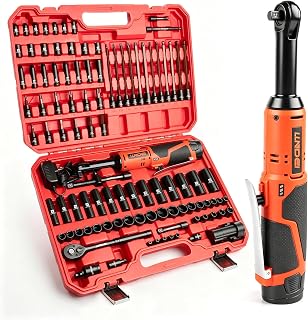 LLNDEI 3/8" Extended Reach Cordless Ratchet Set 102Pcs 12VCheck price on Amazon
 730PRO Car Blower for Drying CordlessCheck price on Amazon
GarageToolHQ earns a commission when you buy through links on our product pages, at no extra cost to you. Read our affiliate disclosure.
Below: how air and cordless mechanisms differ, key trade-offs in torque and portability, and a practical checklist to choose the right wrench.
Cordless vs air impact wrench: where the key differences matter
Both tool styles use an internal hammer and anvil mechanism to break stubborn fasteners loose. The difference is power delivery: compressed air through a hose versus a rechargeable lithium-ion battery on the grip. In a home garage, this changes several practical factors:
- Portability and reach. Cordless tools operate anywhere, from driveways to salvage yards. Air wrenches remain tethered to an air hose connected to a compressor.
- Tool weight and balance. Pneumatic tools house a compact air motor without onboard energy, keeping them light. Battery models carry a motor, gears, and battery. DEWALT lists its DCF892B bare tool at 4.2 pounds, its high-torque DCF961B bare tool at 8.4 pounds, and Robustrue lists its impact wrench at 3.74 lbs with a battery. Packaged kits like Milwaukee’s 2967-21B list 11.2 pounds with battery, charger, and bag. High-torque cordless models add mass that increases arm fatigue during overhead work.
- Shop footprint. Cordless requires only a wall charger. Air tools require a compressor, air lines, fittings, and a regulator, taking up significant shop space.
- Continuous duty and motor heat. Expanding air cools pneumatic motors during prolonged use without thermal throttling. Cordless motors generate heat under heavy loads, which can trigger thermal protection on long jobs.
Air and cordless power delivery compared side by side
A side-by-side view highlights how each platform operates:
| Feature | Cordless impact wrench | Air (pneumatic) impact wrench |
|---|---|---|
| Power source | Rechargeable lithium-ion battery pack on the tool handle | Compressed air delivered via flexible air supply hose |
| Mobility | Unlimited range; operates anywhere without hoses | Restricted by hose reach and compressor location |
| Tool body weight | Heavier in hand due to onboard motor and battery pack | Lighter in hand because the air motor contains fewer parts |
| Setup requirement | Battery charger plugged into standard wall power | Air compressor, regulator, air hose, and fittings |
| Noise profile | Hammering impact mechanism and electric motor hum | Hammering impact mechanism plus compressor motor and air exhaust |
| Maintenance needs | Keep battery terminals clean and store packs indoors | Regular pneumatic tool oiling and draining compressor moisture |
| Sustained duty cycle | Delivers full power until depleted; may warm up under heavy repeated loads | Runs cool during extended use; depends on continuous compressor airflow |
| Fastener control | Multi-speed electronic settings and variable trigger modulation | Built-in mechanical power regulator knob and trigger control |
Cordless prioritizes convenience and mobility, while air tools offer lighter tool bodies supported by dedicated shop equipment.
How to choose between cordless and air: the garage checklist
- Evaluate existing equipment. If you already have a shop compressor and lines, air tools are cost-effective. Without a compressor, startup equipment costs add up quickly.
- Consider work location. If you work in driveways or off-site, cordless is essential. Dragging an air hose outside is impractical.
- Check torque demands. Passenger car wheel lugs and brake hardware need moderate torque. For suspension bolts or axle nuts, check the vehicle manual before choosing a tool.
- Assess physical comfort. Working overhead on suspension arms with a heavy battery tool causes fatigue faster than handling a compact air gun.
- Factor in noise. Cordless tools produce anvil impacts, but air setups add continuous compressor cycling and exhaust hiss in an enclosed space.
- Plan for maintenance. Air tools require adding drops of pneumatic oil before each session and draining compressor tanks. Cordless tools need only dry indoor storage and charged packs.
- Check battery platforms. Owning compatible batteries from a power tool brand makes buying bare cordless tools economical.
- Match drive size. General automotive repair relies on 1/2-inch drive impact wrenches for wheels and suspension, while 3/8-inch drive tools access tight engine bays.
Never use standard chrome sockets on an impact wrench. Chrome sockets are brittle and can shatter under rotational impact blows. Always use thick-walled, impact-rated alloy steel sockets.
Use rated jack stands on solid ground, wear eye protection with power and air tools, keep fuel-burning equipment out of a closed garage, and follow the manual for every tool. Read our Safety Disclaimer.
Air compressor demands vs battery charging
Ongoing power needs highlight distinct trade-offs:
- Air compressor supply: Pneumatic wrenches require adequate airflow volume and regulated pressure. An undersized tank causes rapid pressure drops, stalling the tool on stubborn fasteners. See our guide to what size air compressor you need for air tools and review compressors in our roundup of the best air compressors for an impact wrench.
- Hose restriction: Air line diameter and length affect output. A narrow or overly long hose restricts airflow volume, cutting breakaway torque. Review sizing in our guide on what size air hose for an impact wrench.
- Battery care: Cordless tools eliminate hoses but require battery upkeep. Lithium-ion packs perform best when charged and stored at moderate indoor temperatures. Keeping an extra charged pack prevents downtime during large jobs.
- Maintenance: Air tools need routine oil to protect internal vanes. See our walkthrough on how to oil air tools. Cordless tools require only clean battery contacts and dry storage.
If you prefer air tools, review shop techniques in our guide on how to use an air impact wrench, and check what CFM air tools need.
Torque ratings and lug nut removal in the home garage
When comparing power claims, distinguish between working (fastening) torque and breakaway (loosening) torque. Working torque is the tightening force applied to a fastener, while breakaway torque is the maximum reverse force delivered to free seized hardware.
Cordless torque varies across tool classes. High-torque cordless models deliver massive breakaway force rivaling heavy air guns: DEWALT lists its DCF961B high-torque model at 1320 ft-lbs of max fastening torque and 1900 ft-lbs of max breakaway torque, and Milwaukee lists its high-torque 2967-21B model at 1500 ft-lb. Mid-torque models handle standard repairs: DEWALT lists its DCF892B cordless wrench at 600 ft-lbs of max fastening torque and 800 ft-lbs of max breakaway torque, and Robustrue lists 590 ft-lbs on its RT800B. Compact wrenches prioritize tight access: Milwaukee lists its 3/8-inch compact model at 250 ft-lbs of nut-busting torque with an auto shut-off mode of 20 ft-lbs for hand-tight applications. Budget listings show similar ranges: Protmex lists 900 ft-lbs on its JKO-09 cordless gun, and Muylux lists 320 ft-lbs on its cordless model.
Breaking passenger car lug nuts loose does not require industrial breakaway ratings. Standard wheel hardware requires moderate loosening force that mid-torque cordless and air tools handle easily. Read our guide on how much torque you need to remove lug nuts. For installing wheels, never rely on an impact wrench for final tightening; see should you use an impact wrench to tighten lug nuts, and verify final torque with a click wrench per our comparison on impact vs torque wrench differences. For automotive wheel service, compare models in our guide to the best cordless impact wrenches for lug nuts or our roundup of the best 1/2 cordless impact wrenches.
Frequently Asked Questions
Is a cordless impact wrench as powerful as an air impact wrench?
High-torque cordless wrenches match or exceed the breakaway torque of traditional shop air guns, while compact and mid-range cordless models deliver lower torque for lighter tasks. Cordless delivers full power without airline loss, but runtime depends on battery charge. Pneumatic tools run cool indefinitely if your compressor maintains continuous pressure.
Why do professional mechanics still use air impact wrenches?
Many technicians in high-volume shops use pneumatic wrenches because the tool body is lighter without a battery pack, reducing arm fatigue during overhead work. Service facilities also already have centralized compressed air plumbed to each bay.
Can a cordless impact wrench remove lug nuts on cars and trucks?
Yes. Passenger car and light truck wheel lug nuts require moderate breakaway torque that standard 1/2-inch cordless wrenches remove easily. High-torque models break loose rusted or over-torqued nuts. Always finish tightening with a manual torque wrench.
What air compressor do I need to run an air impact wrench?
An air impact wrench requires steady airflow volume and regulated pressure. Small portable pancake compressors lack the tank capacity and airflow to run an impact motor. A larger shop compressor with sufficient tank storage is recommended.
Do cordless impact wrenches require maintenance?
Cordless wrenches require minimal upkeep: keep motor vents clear, wipe battery contacts, and store batteries indoors away from extreme temperature swings. Unlike air tools, cordless models require no daily oiling.
Which is better for a home garage, cordless or air?
For most home garages, cordless is the practical choice because it requires no compressor, air hoses, or plumbing. If your shop already has a high-capacity compressor and plumbed lines, adding an air impact wrench provides an economical, lightweight tool.
Related: impact wrench vs impact driver, the best air impact wrenches, our cordless tools category and the air tools guide. Also see our comparison of Milwaukee vs DeWalt impact wrenches.